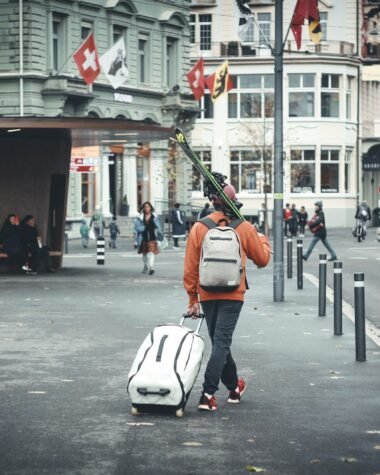

A suitcase packed to its absolute weight limit, then repacked at the airport counter after an unexpected overage fee, describes a genuinely common travel experience that packing light entirely sidesteps. Beyond avoiding fees, traveling with genuinely minimal luggage changes the actual experience of a trip considerably, less physical burden, more mobility, and fewer decisions to manage once actually traveling.
Why Packing Light Matters Beyond Just Convenience
Heavy luggage limits genuine spontaneity during a trip, navigating stairs, cobblestone streets, or simply walking longer distances between transit connections all become considerably more manageable with lighter luggage. This mobility matters particularly for trips involving multiple destinations or unpredictable transit situations where oversized luggage becomes a genuine physical burden rather than a minor inconvenience.
The Core Principles Behind Packing Light Successfully
- Building a versatile, coordinated wardrobe — selecting pieces that mix and match across multiple outfits, rather than packing a separate complete outfit for every single day
- Prioritizing genuinely multi-purpose items — a garment or item serving several functions reduces overall volume more effectively than several single-purpose items
- Planning for laundry access — accepting that clothes will be washed and reworn during longer trips, rather than packing enough for the entire trip’s duration without any laundry
- Being genuinely honest about actual needs — distinguishing between what might theoretically be useful versus what’s actually likely to be used during the specific trip being planned
A Personal Account of Learning This the Hard Way
My early travel packing consistently erred toward “just in case” additions, an extra outfit for a scenario that never materialized, gear for an activity I ultimately didn’t have time for. A particularly exhausting experience hauling an overpacked bag through several transit connections finally pushed me toward genuinely minimal packing for subsequent trips, and the difference in physical ease and mental simplicity turned out to be considerably more significant than I’d expected from what seemed like a fairly minor packing adjustment.
The Capsule Wardrobe Approach Applied to Travel
Building a small, coordinated set of clothing specifically for a trip, similar to the broader capsule wardrobe concept, allows a surprisingly wide range of outfit combinations from a genuinely limited number of individual pieces. Choosing a consistent color palette where most items coordinate with each other maximizes this versatility considerably more than packing items chosen individually without considering how they’d combine with everything else.
What to Genuinely Leave Behind
Common overpacking culprits include excessive “just in case” items for unlikely scenarios, multiple pairs of shoes beyond what’s genuinely needed, and full-sized toiletries that could easily be replaced with smaller travel containers or simply purchased at the destination if genuinely needed. Being honest about which of these fall into genuine necessity versus theoretical possibility considerably reduces overall luggage volume.
How Laundry Access Changes the Packing Calculation
For trips longer than about a week, planning around laundry access, whether through accommodation facilities, a local laundromat, or simply hand-washing a few items as needed, considerably reduces the total clothing volume required compared to packing enough for the entire trip’s duration without any laundry at all. This single planning shift often represents the biggest volume reduction available for longer trips specifically.
Choosing Luggage That Actually Enforces Discipline
Selecting a genuinely smaller bag as a starting constraint, rather than an oversized bag that simply invites filling available space, tends to enforce packing discipline more effectively than any specific packing technique alone. A bag physically incapable of holding excessive items removes the temptation to add “just in case” additions that a larger bag would otherwise accommodate.
Packing Techniques That Maximize Available Space
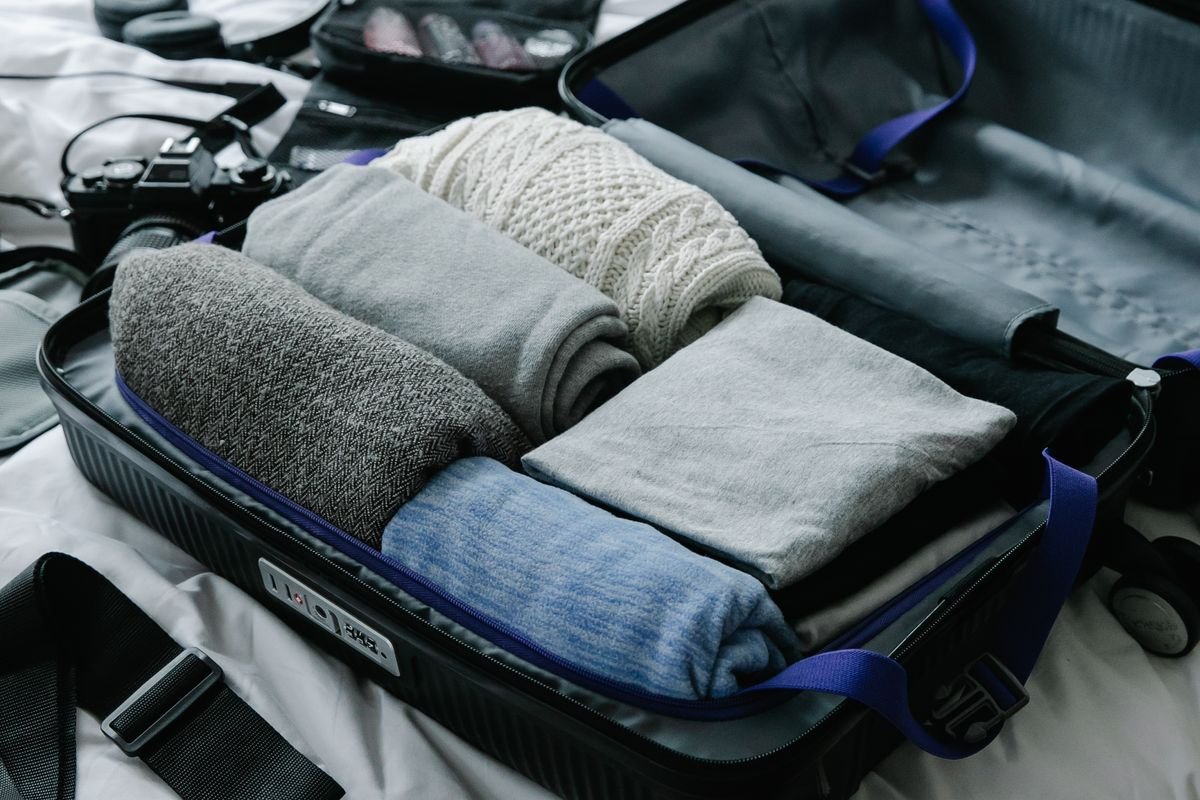
Rolling clothing rather than folding, using packing cubes to compress and organize items, and wearing bulkier items like jackets or boots during transit rather than packing them all contribute to fitting genuinely more into limited luggage space without requiring reduced actual clothing quantity.
Adjusting the Approach for Different Trip Types
Business trips, leisure travel, and activity-specific trips, a hiking trip requiring specific gear, for instance, each require somewhat different packing calculations, though the underlying principles, versatility, honest need assessment, laundry planning where relevant, apply broadly across nearly all of these different trip categories.
FAQ
How can I pack light for a trip longer than a week?
Planning around laundry access, whether through accommodation facilities or a local laundromat, considerably reduces the total clothing volume needed compared to packing enough for the entire trip without any laundry.
What’s the biggest mistake people make when trying to pack light?
Packing “just in case” items for unlikely scenarios rather than being genuinely honest about what’s likely to actually be used during the specific trip being planned tends to be the most common source of unnecessary luggage volume.
Does choosing a smaller bag actually help with packing light?
Yes, a smaller bag creates a physical constraint that enforces packing discipline more effectively than any specific technique alone, since it simply can’t accommodate excessive “just in case” additions.
What packing techniques help fit more into limited luggage space?
Rolling clothing rather than folding, using packing cubes for compression and organization, and wearing bulkier items during transit rather than packing them all help maximize available space without reducing clothing quantity.
Conclusion
Packing light isn’t really about deprivation or making do with less than what’s genuinely needed, it’s about being honest about what actually gets used during a trip and building a considered plan around that honesty. For travelers who’ve made the switch, the physical and mental ease that follows tends to matter considerably more than whatever “just in case” scenario the extra luggage was meant to cover.