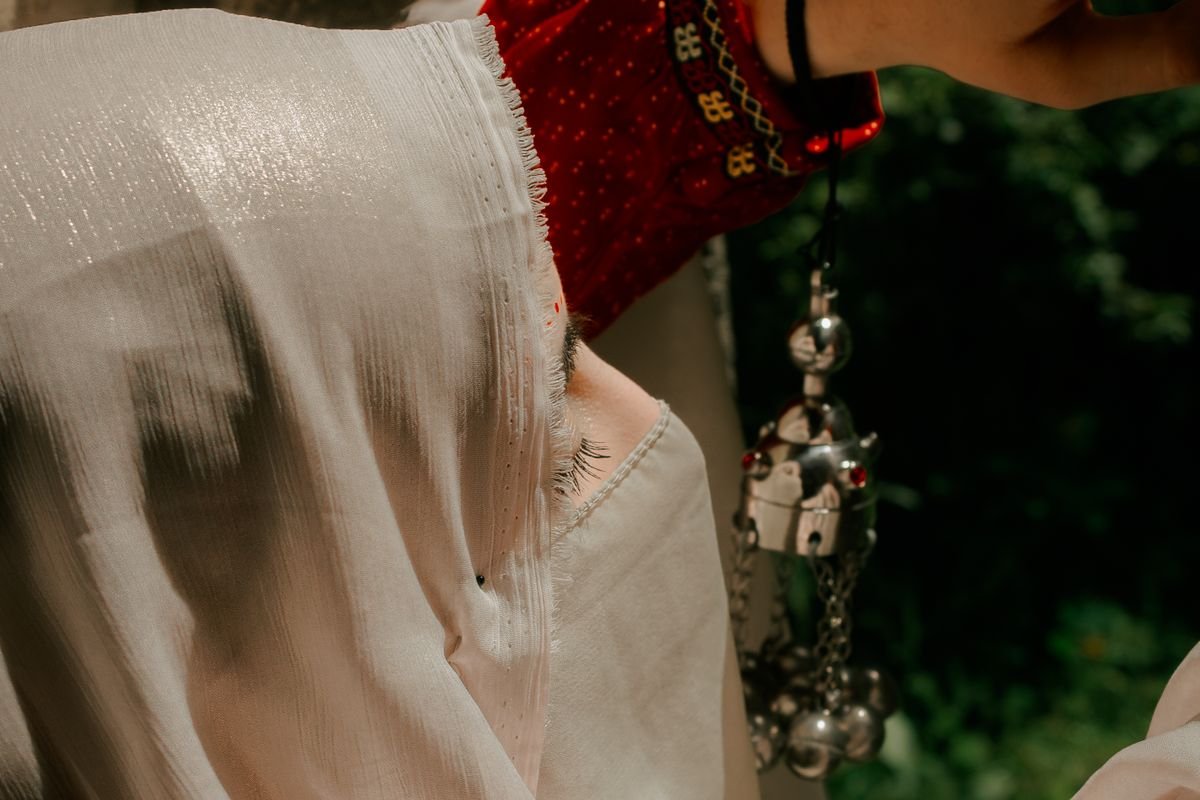

Few things make a traveler feel out of place faster than realizing everyone else is dressed differently. A visitor in shorts at a temple that requires covered knees, a traveler in heavy layers at a hot, relaxed beach town, a woman whose headscarf draws stares in a country where it is rare. Clothing carries meaning everywhere, and what counts as appropriate varies widely. A little preparation turns dress codes from a source of anxiety into one more way of showing respect for the places you visit.
Why Dress Codes Differ
Norms about clothing come from a mixture of religion, climate, history, local culture, and in some places, law. In many societies, modest dress is closely tied to faith and community values. In others, it reflects a general sense of what is appropriate in public or professional settings. Beaches, resorts, and big cities often have more relaxed standards, while villages, religious sites, and government buildings tend to be stricter.
The important thing is that a dress code is not a judgment about you. It is a local expectation, and following it is usually received warmly, as a sign that you took the trouble to understand.
Typical Situations Where Dress Matters Most
- Places of worship. Mosques, temples, churches, shrines, and gurdwaras often ask visitors to cover shoulders and knees, remove shoes, and in some cases cover the head. Many provide shawls or wraps at the entrance, but it is better to bring your own.
- Conservative towns and rural areas. Even where there is no formal rule, more covering clothing is usually expected and appreciated.
- Government offices, courts, and formal venues. Smart, modest clothing is often required.
- Religious festivals and holy periods. During times such as Ramadan, public behavior and dress in many Muslim-majority countries tend to be more conservative, and eating or drinking in public during the day may be discouraged.
- Beaches and pools. Norms vary. Some resorts are relaxed, while public beaches in more conservative areas may expect swimmers to cover more, or have separate areas.
Visiting a Country With a More Conservative Dress Code
Travelers heading to places where modest dress is the norm will find it easier than they expect, and it does not mean sacrificing comfort. Loose, lightweight, long-sleeved tops and long skirts or trousers in breathable fabrics such as cotton and linen are cooler than many people assume, because they protect from the sun and let air circulate. A large scarf is one of the most useful items to pack. It can cover the head at a religious site, the shoulders in a hot climate, or serve as a wrap on a cold bus.
It is wise to observe what local people wear and follow their lead, and to check recent guidance from official travel advice and trusted local sources, as expectations differ between countries and even between regions.
Visiting a Place Where Your Own Dress Stands Out
For travelers who dress modestly for religious or personal reasons, such as Muslim women who wear the hijab, travel to less familiar destinations can bring extra questions. In most places, a respectful visitor is welcomed, but it is sensible to research the local context. Some countries have debates or rules about religious clothing in particular settings, such as schools or government jobs, and swimwear rules at public pools and beaches can differ. Looking up the experiences of other travelers, checking whether there are prayer facilities and halal food options, and knowing what to do if you feel uncomfortable can all help.
A Packing List That Works for Most Situations
- A large scarf or shawl. For head covering, shoulder covering, or warmth.
- Lightweight long trousers or skirts in breathable fabric.
- Tops with sleeves that cover the shoulders and upper arms.
- Slip-on shoes that are easy to remove at entrances.
- A modest swimsuit or full-coverage option if you plan to swim, and a cover-up for the walk to and from the water.
- Layers for air conditioning, cool evenings, and changing weather.
- A small bag for shoes, since you may need to carry them in some places.
A Personal Lesson
I once arrived at a temple in a warm climate wearing shorts and a sleeveless top, assuming a quick visit would not matter. I was politely turned away at the gate. Fortunately, a vendor nearby sold wraps, and ten minutes later I was admitted, a little embarrassed. It was a small mistake, but it taught me to keep a scarf in my day bag whenever I travel, because it solves most dress code problems in seconds.
Legal Rules and Local Laws
In some countries, dress rules are not just customs but laws, covering matters such as public decency or the wearing of certain clothing. Penalties can apply to visitors as well as residents. It is worth reading official travel advice for your destination before you go, and when in doubt, choosing more conservative clothing. Ignorance of the rules is rarely accepted as an excuse.
Handling Mistakes Gracefully
Everyone makes mistakes with local customs now and then. If someone points out that your clothing is not appropriate, respond politely, apologize, and fix it, for example with a borrowed or purchased wrap. Most people respond kindly to visitors who show goodwill. Asking questions, such as “Is it all right if I wear this here?” shows respect and usually earns helpful advice.
FAQ
What should I wear to visit a mosque or temple?
Wear loose clothing that covers shoulders and knees, bring a scarf for covering your head if required, and wear shoes that are easy to remove. Check the specific site’s rules in advance, since they can differ.
Is modest clothing too hot for summer travel?
Not if you choose loose, light fabrics like cotton or linen. These can actually be cooler than tight or short clothing, since they shield from the sun and allow air to circulate.
Do tourists have to follow local dress codes?
Yes, in most places visitors are expected to follow local norms, and in some countries dress rules are enforced by law. Researching official travel advice before you go is a good idea.
What is the single most useful item to pack for dress code situations?
A large, lightweight scarf or shawl, which can serve as a head covering, a shoulder cover, or a wrap in many different settings.
Conclusion
Dressing in line with local customs is one of the simplest ways to show respect, and it often makes travel easier by opening doors, literally and figuratively. A few well-chosen pieces, a scarf in your bag, and a willingness to observe and ask will carry you through almost any dress code with confidence.