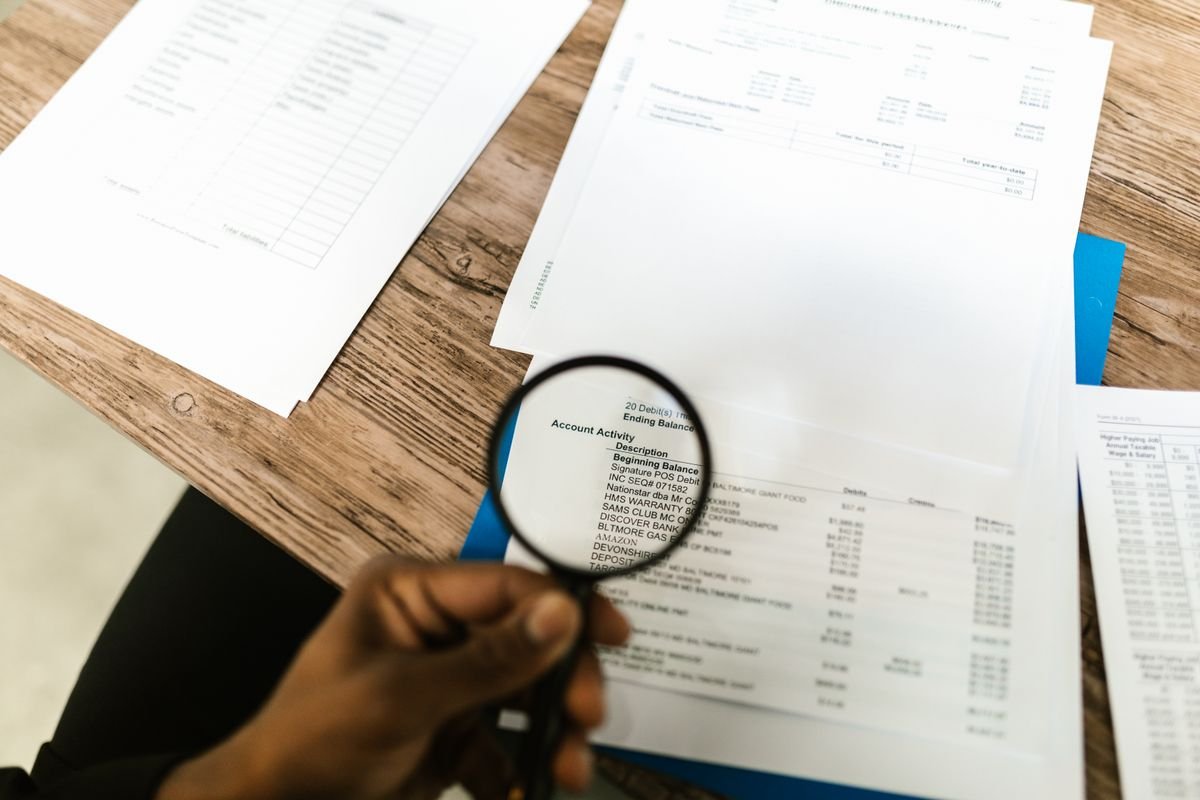

Few people deliberately choose to pay a bank twelve dollars because a balance dipped below a threshold for one afternoon. Yet millions do exactly that each year, not because they are careless, but because fees are designed to be easy to miss. They sit in the fine print of account agreements, appear as a line item with an unhelpful name, or are triggered by behavior that seems perfectly reasonable. Learning where they hide is one of the cheapest ways to keep more of your money, and it takes less effort than most budgeting strategies.
Why Fees Are So Easy to Miss
Many fees are small enough that no single one feels worth fighting. A few dollars here, a percentage there. They are also usually charged automatically, so there is no moment of decision. Over a year, though, they can add up to a meaningful sum, and for households with tight budgets, the cost falls hardest on those who can least afford it.
Rules about what can be charged and how it must be disclosed vary by country and by type of provider, so the specifics below differ in different places. The patterns, however, are very widespread.
Common Fees on Bank Accounts
- Monthly maintenance fees. A charge for simply holding an account, often waived if you meet a minimum balance or set up direct deposit.
- Overdraft and insufficient funds fees. Charged when a payment exceeds your balance, whether the bank covers it or declines it. A single mistake can trigger several in a row.
- Out-of-network ATM fees. You may pay both your own bank and the machine’s owner for a withdrawal.
- Paper statement and service fees. Some accounts charge for mailed statements, copies of documents, or speaking with a teller.
- Inactivity fees. A charge for accounts that are not used for a period of time.
- Wire and international transfer fees. Charges for sending or receiving money, plus sometimes a hidden markup on the exchange rate.
Fees on Cards and Everyday Spending
- Foreign transaction fees. Often a percentage of each purchase made abroad or in a foreign currency, including some online purchases from overseas merchants.
- Currency conversion markups. When a terminal offers to charge you in your home currency, the exchange rate it uses is often less favorable than the one your card network would apply.
- Annual card fees. Sometimes worth paying if the benefits are used, but easy to forget about if they are not.
- Late payment and penalty fees. Charged when a payment is missed, often alongside higher interest. For those who avoid interest-based finance for religious reasons, interest and penalty charges are a reason to be especially careful about borrowing in the first place.
- Cash advance and balance transfer fees. Usually a percentage of the amount, charged upfront.
Fees on Apps and Subscriptions
Digital services have their own versions. Payment apps may charge a fee for instant transfers or for moving money to a bank account faster. Free trials that convert automatically to paid subscriptions can quietly renew each month or year. Delivery and ride apps add service fees, booking fees, and surge pricing on top of the advertised price. Buy-now-pay-later services can charge late fees or add interest if a payment is missed.
I discovered this the hard way when I noticed an annual charge on my card for a service I had signed up for during a free trial and forgotten about. It was not an enormous amount, but it had been renewing for two years. Since then, I check my statements for unfamiliar names every month.
How to Find the Fees You Are Paying
- Read the fee schedule. Banks and card issuers publish a list of charges, often a few pages long. Look for the sections on overdrafts, ATMs, foreign transactions, and monthly fees.
- Review statements line by line. Look for items labeled as service charges, maintenance, or fees, and for recurring payments you do not recognize.
- Set up balance alerts. A text or notification when your balance drops below a certain level can prevent overdrafts.
- Check your subscriptions list. Many phones and card issuers show recurring charges in one place.
- Track fees for a few months. Writing down every fee you pay shows which ones matter most.
Practical Ways to Avoid Them
- Choose accounts with no or low monthly fees, and confirm what conditions trigger a charge.
- Opt out of overdraft coverage if possible, or link a savings account as a backup, so a declined payment does not turn into a fee.
- Use in-network ATMs or ask for cash back at a store.
- Pick a card without foreign transaction fees if you travel or shop abroad often, and choose to pay in the local currency.
- Set calendar reminders for trial endings and cancel before the renewal date.
- Pay on time, ideally through automatic payments for at least the minimum amount, to avoid late fees.
Asking for a Refund Often Works
Many people never ask, but banks and companies frequently waive a fee once, especially for a long-standing customer with a good record. Calling or messaging customer service, explaining what happened politely, and asking for a refund of the charge often succeeds. If it does not, it is a good moment to compare other providers, since some offer accounts with far fewer fees.
Know Your Rights
Consumer protection rules in many countries require providers to disclose fees clearly and give notice before changing terms. If you believe a charge is incorrect or unfair, ask the provider to explain it in writing and, if necessary, contact the relevant financial regulator or consumer protection agency. Keep records of your communications and statements.
FAQ
What are the most common hidden bank fees?
Monthly maintenance, overdraft and insufficient funds, out-of-network ATM, foreign transaction, wire transfer, and inactivity fees are among the most common, along with charges for paper statements.
Can I get a bank fee refunded?
Often yes, especially for a first occurrence or for a long-standing customer. Contact customer service, explain what happened politely, and ask for the fee to be waived.
How can I avoid foreign transaction fees?
Use a card that does not charge them, and when given the choice at a terminal, pay in the local currency rather than your home currency to avoid unfavorable conversion rates.
How do I stop free trials from turning into paid subscriptions?
Set a reminder before the trial ends and cancel in advance, and review your recurring charges regularly so you can spot subscriptions you no longer use.
Conclusion
Fees are rarely dramatic, which is exactly why they work. Reading the fee schedule, checking statements monthly, setting alerts, and asking for refunds when a charge seems unfair are small habits that quietly return real money to your pocket, without requiring you to earn a single extra dollar.