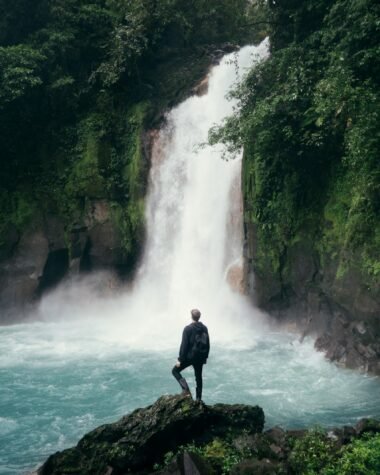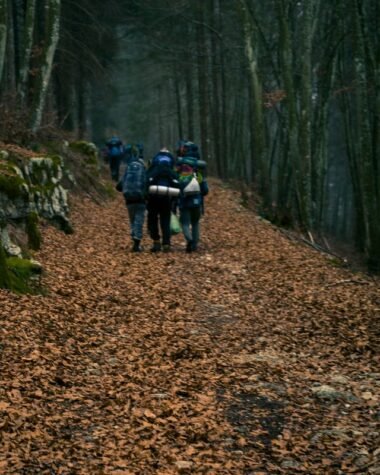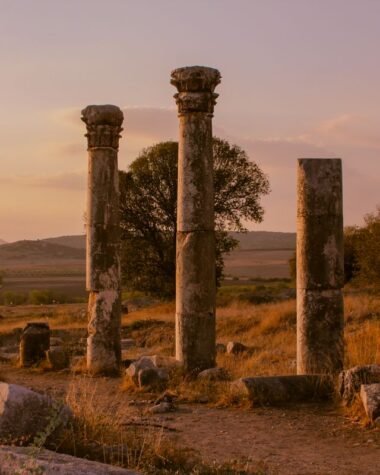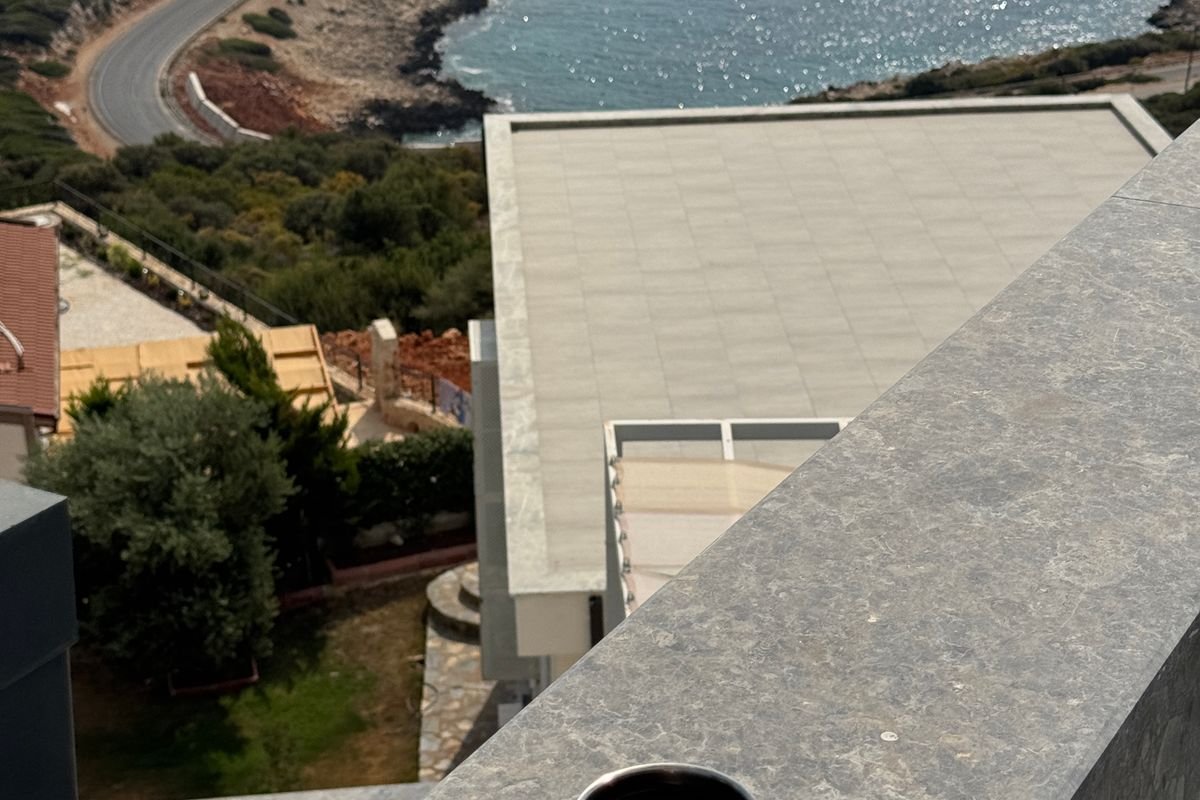

A two-week trip covering five countries used to be treated almost as a badge of honor, proof that a vacation had been maximized to its fullest possible extent. Slow travel pushes back against that entire model, deliberately staying in fewer places for longer, sometimes weeks in a single city, prioritizing genuine familiarity over covering as much ground as possible.
What Slow Travel Actually Means in Practice
Slow travel isn’t defined by a specific number of days, it’s defined by intention, choosing depth over breadth, genuine local rhythm over a checklist of major sights visited briefly before moving on to the next destination. A week in one neighborhood, genuinely settling into local routines, coffee shops, markets, a regular walking route, represents slow travel in a way that a rushed week hitting five countries simply doesn’t.
Why This Approach Has Grown in Popularity
- Travel burnout from rushed itineraries — many travelers have grown genuinely exhausted by fast-paced, multi-stop trips that leave little time to actually absorb any single place
- Remote work flexibility — increased ability to work from anywhere has made longer stays in single locations considerably more practical than they were for travelers limited strictly to standard vacation time
- Environmental awareness — fewer flights and less constant transit align with growing interest in reducing travel’s environmental footprint
- Genuine cultural immersion — extended stays allow relationships with locals, repeat visits to the same restaurant or market, and a considerably deeper understanding of daily life than a brief visit ever could provide
A Personal Account of Trying This Approach
I spent three weeks in a single small town rather than the five-country tour I’d originally planned, uncertain whether it would feel monotonous compared to constant new scenery. By the second week, a genuine daily rhythm had formed, a regular bakery, a familiar walking route, small talk with the same shop owner every morning, that a faster-paced trip covering considerably more ground had never once allowed me to experience in any single place.
The Financial Case for Slow Travel
Beyond the experiential benefits, slow travel often proves genuinely more affordable per day than a rapid multi-destination trip, fewer flights and transit costs, access to weekly or monthly accommodation rates considerably lower than nightly hotel pricing, and the ability to shop and cook like a local rather than relying entirely on tourist-priced restaurants for every meal.
What Slow Travel Requires Giving Up
The genuine tradeoff involves seeing considerably fewer destinations within a given trip length, a traveler with two weeks total might spend the entire time in one region rather than the five or six stops a faster-paced itinerary would cover. For travelers specifically motivated by checking destinations off a list, this tradeoff may feel like a genuine loss rather than a benefit, making slow travel considerably better suited to travelers prioritizing depth of experience over breadth of destinations visited.
Choosing the Right Destination for a Slow Travel Approach
Not every destination suits extended stays equally well, locations with genuine daily life to observe, local markets, walkable neighborhoods, a mix of routine and discovery, tend to reward slow travel considerably more than destinations primarily built around a handful of major attractions with limited depth beyond those specific sights.
Building Local Connections During an Extended Stay
Extended stays create genuine opportunities for connection that shorter visits rarely allow, becoming a recognized regular at a local café, joining a community class or activity, or simply having enough time for a chance conversation with a neighbor to develop into an actual, if brief, friendship. These connections often become travelers’ most memorable takeaways from a slow travel experience, considerably more than any specific sight visited during the stay.
Practical Logistics Worth Planning For
Extended stays benefit from different logistical planning than shorter trips, researching monthly or weekly accommodation rates specifically, understanding local grocery and cooking options if planning to prepare some meals rather than eating out entirely, and considering practical matters like laundry access that a shorter hotel stay wouldn’t typically require thinking through in advance.
How This Fits Into a Broader Travel Philosophy
Slow travel connects to a broader pattern of travelers seeking more intentional, less consumption-driven approaches to seeing the world generally, valuing genuine experience and connection over the more traditional metric of destinations visited or sights photographed. This shift doesn’t mean faster-paced travel is inherently wrong, different trips can genuinely serve different purposes, but it does represent a meaningful alternative for travelers seeking something deeper from their time away.
FAQ
How long does a trip need to be to count as “slow travel”?
There’s no fixed threshold, slow travel is defined more by intention and depth of engagement with a single place than by a specific number of days, though extended stays of a week or more are common.
Is slow travel actually cheaper than visiting multiple destinations?
Often yes, per day, due to reduced transit costs, access to weekly or monthly accommodation rates, and the ability to cook and shop like a local rather than relying entirely on tourist-priced dining.
What kind of destination works best for slow travel?
Locations with genuine daily life to observe, walkable neighborhoods, local markets, and community activity tend to reward extended stays more than destinations built primarily around a handful of major attractions.
Is slow travel only possible for people who can work remotely?
No, though remote work flexibility has made it considerably more accessible, travelers with standard vacation time can also practice slow travel by simply choosing fewer destinations for a given trip length.
Conclusion
Slow travel asks a genuinely different question than the traditional vacation model, not how much can be seen, but how deeply one place can actually be experienced. For travelers who’ve felt exhausted rather than restored by fast-paced, multi-stop itineraries, that shift in approach has proven to be exactly what was missing.