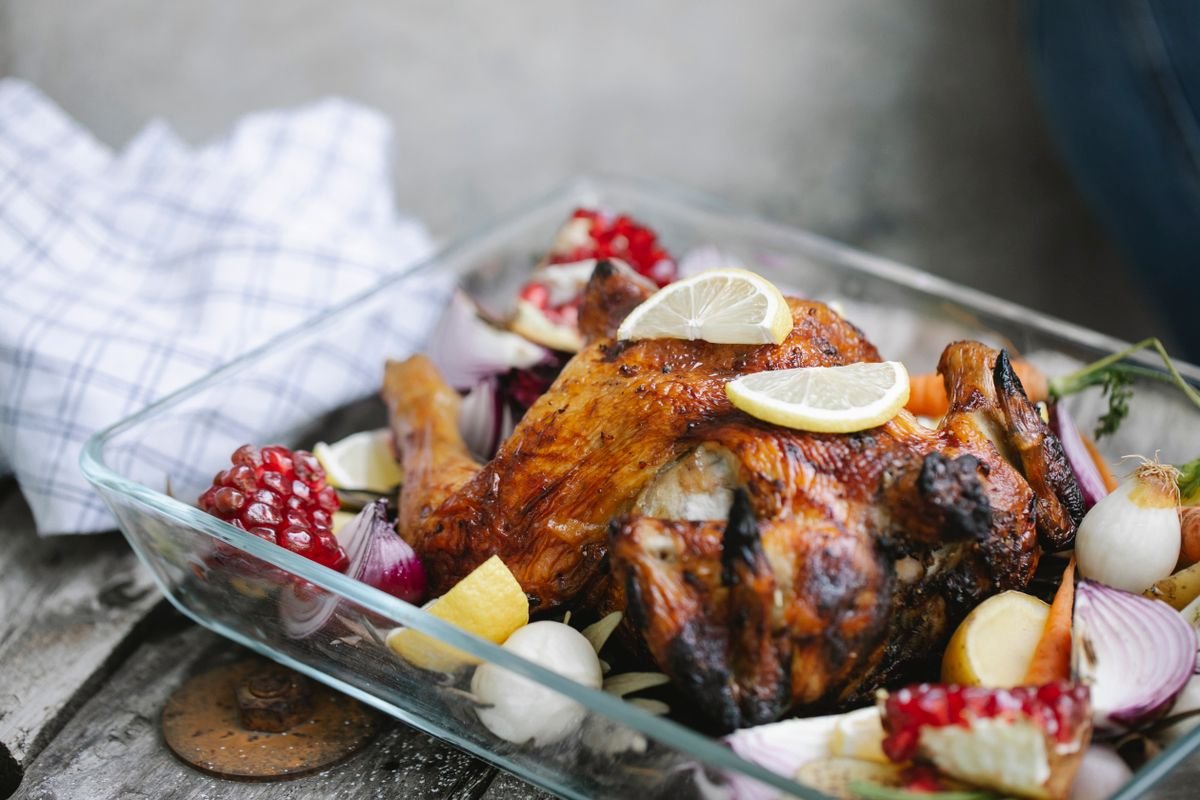

A single sheet pan, a handful of ingredients, one trip to the oven, and dinner’s essentially done, minimal cleanup included. One-pot and sheet-pan meals have moved from a practical weeknight shortcut into something considerably more central to how a lot of home cooks actually plan meals, not just an occasional simplification but a genuine default approach for busy households.
Why This Cooking Style Caught On So Broadly
The appeal isn’t really about the food itself, plenty of dishes can be made multiple ways, it’s about the dramatically reduced cleanup and mental overhead involved. Fewer dishes, fewer pans, one cooking vessel doing essentially all the work, removes a significant portion of the friction that makes cooking feel like a burden after a long day.
What Makes a Recipe Genuinely Suited to This Format
- Similar cooking times across ingredients — successful sheet-pan meals generally group ingredients with roughly matching roast times, or add faster-cooking items partway through
- Complementary flavors that don’t require separate seasoning — a shared sauce or seasoning blend across all components simplifies both prep and cooking
- Enough surface area for proper roasting — overcrowding a pan leads to steaming rather than roasting, so recipes genuinely designed for this format account for adequate spacing
- A protein and vegetable combination in one vessel — the most successful versions build a complete, balanced meal without requiring a separate side dish cooked elsewhere
A Personal Account of Simplifying Weeknight Cooking
I resisted this style of cooking for a while, assuming it would mean genuinely worse food compared to more involved, multi-pan recipes. Testing a handful of sheet-pan dinners specifically designed around this constraint changed that assumption considerably, the food itself was often just as good, sometimes better, since everything roasted together and absorbed shared flavors in a way that separately cooked components don’t always achieve.
Beyond the Sheet Pan: One-Pot Stovetop and Slow Cooker Versions
This broader approach extends well beyond oven-roasted sheet-pan meals specifically, one-pot stovetop dishes, soups, stews, pasta dishes cooked entirely in a single pot, and slow cooker meals all share the same underlying appeal, minimal cleanup, minimal active attention required, and a genuinely complete meal from a single cooking vessel.
Why This Matters More for Some Households Than Others
Households managing multiple schedules, young children, demanding work hours, limited kitchen space, tend to find this cooking style particularly valuable, since the reduced cleanup and simplified process directly addresses the specific friction points that make cooking feel unsustainable on a regular weeknight basis. Households with more available time and larger kitchens may value this style less, since the constraints it solves for aren’t as pressing for their particular circumstances.
Common Mistakes When Adapting Existing Recipes
A frequent mistake involves simply combining ingredients from a traditional, multi-pan recipe onto a single sheet pan without adjusting for genuinely different cooking dynamics, ingredients that release considerably more moisture than others, causing everything to steam rather than roast properly, or components with genuinely mismatched cooking times that end up either undercooked or overcooked when forced into a single shared cooking window.
How This Fits Broader Meal Planning Approaches
One-pot and sheet-pan meals pair particularly well with batch cooking and meal prep approaches more broadly, a larger sheet-pan batch can provide leftovers for multiple days, and the minimal cleanup makes even a larger cooking session feel considerably less daunting than an equivalent multi-pan meal would.
Building a Reliable Rotation
Households that successfully rely on this cooking style long-term generally build a rotation of five or six reliable combinations they return to regularly, rather than searching for a new specific recipe every single time. This rotation approach reduces decision fatigue considerably, turning meal planning into selecting from an already-tested set rather than researching something new for every meal.
FAQ
Why do sheet-pan meals sometimes turn out soggy instead of roasted?
Overcrowding the pan is the most common cause, when ingredients are packed too tightly, they release moisture and steam rather than roast, so spreading ingredients with adequate space between them tends to produce better results.
Can any recipe be converted into a one-pot or sheet-pan meal?
Not always successfully. Recipes with ingredients requiring dramatically different cooking times or methods don’t always adapt well without some adjustment, so it’s worth choosing recipes specifically designed around this format rather than forcing every recipe into it.
Are one-pot meals less nutritious than more elaborate cooking methods?
Not inherently, a well-planned one-pot or sheet-pan meal can include a genuine balance of protein, vegetables, and other components just as effectively as a more involved, multi-pan meal.
How can I build a reliable weekly rotation using this cooking style?
Testing a handful of recipes over several weeks and keeping the ones that genuinely worked well for your household tends to produce a sustainable rotation faster than searching for a new recipe every single time.
Conclusion
One-pot and sheet-pan meals succeeded by solving a genuinely practical problem, reducing the cleanup and mental overhead that makes regular cooking feel unsustainable for busy households. For a lot of home cooks, that simplification turned out to matter more than any specific recipe ever could.