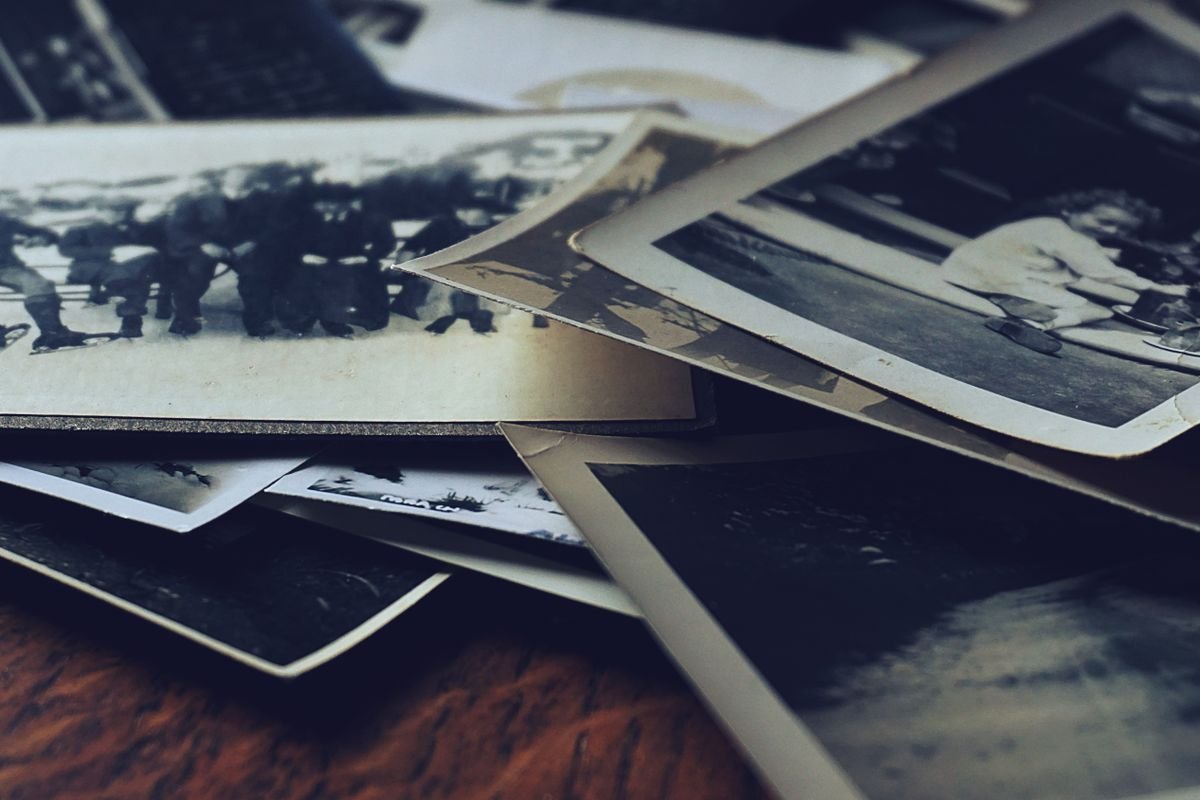

Ask people what they know about their great-grandparents, and many will admit they cannot name them. Ask what stood on their street a hundred years ago, and the answer is often just as thin. Yet interest in family history and local history has grown steadily, helped by digitized archives, easier access to records, and a general desire to feel connected to a place and a past. For many people, it begins with a single question from a child or a chance conversation with an older relative, and it turns into a project that lasts years.
Why the Past Feels More Relevant Now
There are several reasons for the renewed interest. People move more often and live farther from extended family, so the stories that used to pass naturally across the dinner table can disappear without anyone noticing. At the same time, the tools for finding answers have improved dramatically. Old newspapers, census records, immigration lists, and parish and civil registers have been scanned and made searchable, and genetic testing kits have introduced a new way of learning about ancestry.
There is also a deeper emotional reason. Knowing where you come from gives a sense of continuity. Learning how your ancestors lived, what they endured, and what they valued can make your own life feel part of a longer story.
Starting With the People Closest to You
The best first step is rarely a website. It is a conversation. Older relatives hold knowledge that has never been written down, such as names, places, nicknames, migration stories, how families met, and what everyday life was like. Recording these interviews, with permission, preserves not just facts but voices and expressions that documents cannot.
I began by asking my grandfather to describe the house he grew up in. A twenty-minute conversation turned into several hours, and by the end I had names of relatives I had never heard of, the name of a village, and a story about a long journey that explained why part of our family lives where it does. Those details became the starting points for everything else I found later.
Useful Sources for Family History
- Family documents and photographs. Birth and marriage certificates, letters, old photographs, and keepsakes often contain names, dates, and addresses.
- Civil and religious records. Birth, marriage, and death registers, and records from religious institutions, are core sources in many countries.
- Census records. Where available, they show households, occupations, and places of residence at specific points in time.
- Migration and travel records. Passenger lists, border records, and naturalization documents can trace movement between countries.
- Newspapers and local archives. Announcements, obituaries, and reports can add detail and context.
- Libraries and historical societies. Local experts and volunteers often know where records are held and how to read them.
Local History Is Part of the Story
Family history becomes richer when it is placed in a setting. Learning what a neighborhood looked like, what work was available, and what major events affected it helps explain choices your ancestors made. Local history projects, from community museums to online photo archives, have grown for the same reason. Many towns and neighborhoods now have groups collecting oral histories, mapping how streets have changed, and preserving photographs that would otherwise be lost.
Even small discoveries can change how a place feels. Finding out that your street was once an orchard, a market, or the site of a school gives it a different kind of presence.
Traditions of Lineage in Different Cultures
Keeping track of ancestry is an old practice in many cultures. In some Arab and Muslim communities, family lineage, called nasab, has long been remembered and recited, and extended families may keep detailed oral or written records of their ancestry across many generations. Many other cultures have their own traditions of family trees, clan records, ancestor commemorations, and genealogical poetry. These traditions treat knowledge of one’s family as both a practical record and a form of respect for those who came before.
What to Know About DNA Testing
Consumer DNA tests can offer estimates of ethnic origins and connect people with distant relatives who have also tested. They can be a useful complement to document research, but they come with caveats:
- Ethnicity estimates are approximations. They depend on the reference populations a company uses and can change as databases grow.
- Results can be surprising. Tests can reveal unexpected relationships, which can be emotionally difficult for some families.
- Privacy matters. Genetic data is sensitive, and it is worth reading how a company stores, shares, and protects it before sending a sample.
Avoiding Common Mistakes
Family history research rewards patience and skepticism. Names were often spelled differently in different records, and the same name can belong to several people in the same town. Online family trees contain errors that get copied from one site to another, so it is important to check claims against original records whenever possible. Oral stories, though valuable, can drift over generations, so treat them as leads to verify rather than facts. Keep notes about where each piece of information came from so you can retrace your steps later.
Making It Last
The most valuable output of this work is not a large chart but a record that others can use. Write down the stories, label photographs with names and dates, and share what you find with relatives. A short family history, even a few pages, preserves knowledge that might otherwise vanish, and gives younger members of the family something to build on.
FAQ
Where should I begin when researching my family history?
Start by interviewing older relatives and gathering documents and photographs at home. These give you names, dates, and places to search in public records.
Are DNA tests accurate for tracing ancestry?
They can help identify relatives and give general estimates of ancestry, but ethnicity estimates are approximate and may change as company databases improve. They work best alongside traditional records.
How do I deal with conflicting information in family records?
Compare the sources, prioritize original documents over online trees and memory, and note any uncertainty. Spelling variations and shared names are common causes of confusion.
Is it worth researching local history too?
Yes. Understanding the place and time your ancestors lived in helps explain their choices and gives context to the names and dates you find.
Conclusion
Rediscovering family and local history is less about collecting names than about understanding where you fit. Starting with conversations, checking sources carefully, and writing down what you learn turns scattered memories into something your family can keep, and gives the places you live a deeper sense of meaning.