
Think about the gifts you remember most. Chances are they were not the most expensive ones. A scarf someone knitted over several evenings, a small book of family recipes copied out by hand, a framed drawing, a jar of homemade jam with a handwritten label. Handmade gifts tend to stay with people long after the receipt would have been forgotten, and the reasons are more specific than sentiment alone.
What Research Says About Gifts and Price
Studies of gift-giving have found a recurring mismatch between how givers and receivers think. Givers often assume that a more expensive gift will make the receiver feel more appreciative, so they stretch their budget to impress. Receivers, however, tend not to feel more appreciation for a pricier gift. What they respond to is whether the gift shows that the giver knew them and thought about them.
This is where handmade gifts have a natural advantage. A handmade gift is almost impossible to give without thinking about the person, and that thought is visible in the result.
Why Effort and Time Carry Weight
Handmade items carry a signal that purchased ones rarely can: the giver spent time. In a busy world, time is one of the scarcest things anyone has, and giving some of it away says something that money does not. Behavioral research has also found that people place extra value on things they have made themselves, sometimes called the “IKEA effect,” because the effort invested increases the feeling of ownership and pride. That same logic helps explain why a gift made with care feels special to the person who receives it: it is clearly the product of someone’s attention.
It Does Not Have to Be Perfect
One of the main things that keeps people from making gifts is the fear that the result will look amateur. In practice, small imperfections often add to a handmade gift’s charm, because they are proof that a person made it. A slightly uneven stitch or a hand-lettered card is a sign of a human touch, and recipients rarely judge it the way the maker does.
I once spent several evenings making a small photo book for my grandmother, certain that the layout looked clumsy and the paper choices were wrong. She kept it by her chair for years and showed it to every visitor. What mattered to her was the pictures chosen, the captions I had written, and the fact that I had made it for her.
Handmade Gift Ideas for Different Skill Levels
- Edible gifts. Baked cookies, spiced nuts, date-and-nut energy bites, homemade granola, or a jar of jam. Package them in a nice container with a handwritten label.
- Written and personal gifts. A letter, a small book of favorite memories, a handwritten recipe collection, or a framed piece of calligraphy or a meaningful verse.
- Crafted items. Knitted or crocheted scarves, hand-sewn pouches, painted ceramics, or embroidered cloth.
- Gifts from plants. A cutting from your own plant in a small pot, a herb garden in a jar, or a bundle of dried flowers.
- Gifts of time and skill. A coupon for a home-cooked meal, an afternoon of help with a project, or a lesson in something you are good at.
Matching the Gift to the Person
The point of a handmade gift is that it fits the recipient. Think about what they actually use and enjoy. A friend who cooks might love a set of custom spice blends. A relative who loves to read might appreciate a handmade bookmark with a favorite passage. A new parent might value a freezer meal more than a decorative item. Handmade does not have to mean decorative, and practical gifts that save the receiver effort are often the most appreciated.
A Long Tradition Across Cultures
Giving gifts to build and maintain relationships is a practice found in nearly every culture. Many traditions, including Islamic teaching, encourage the exchange of gifts as a way to strengthen affection between people, and the emphasis is on the thoughtfulness behind the gift rather than its value. Handmade gifts fit naturally into that idea.
When Handmade Is Not the Right Choice
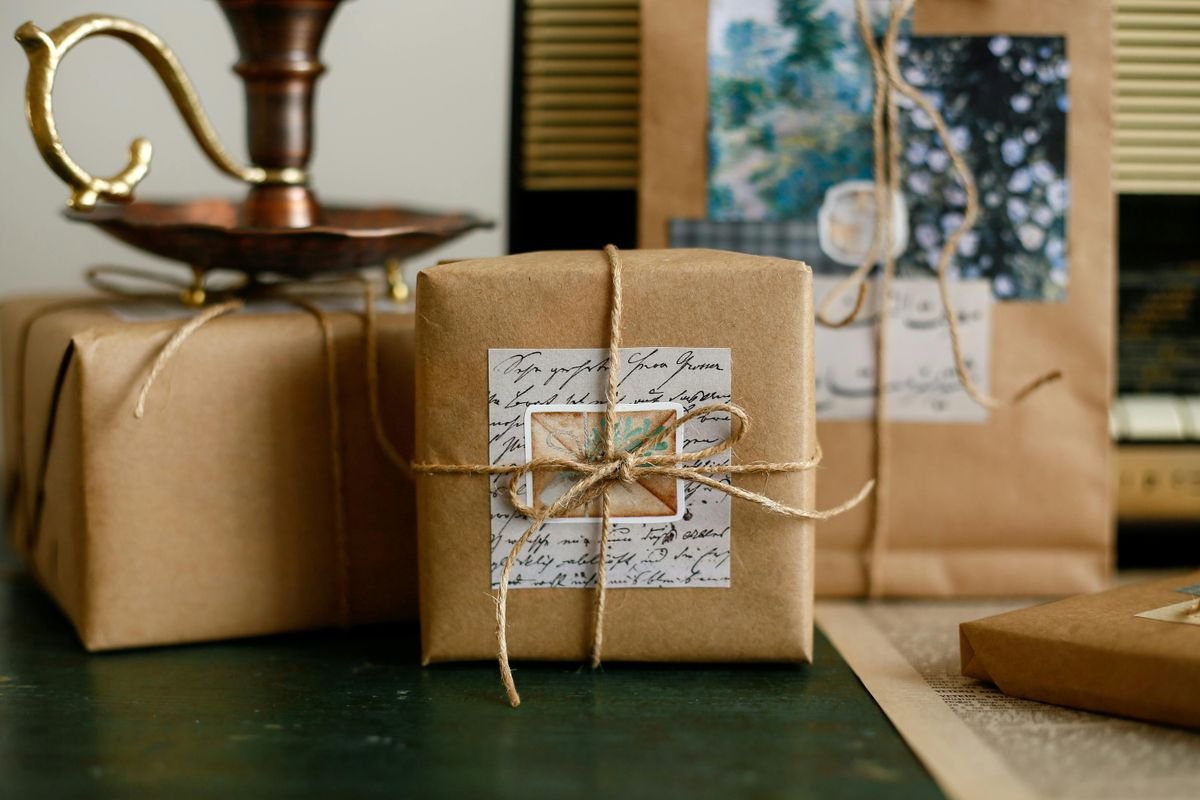
Not everyone has the time, skill, or inclination to make things, and forcing it can lead to stress. If making a gift would feel like a burden, a thoughtfully chosen purchase is perfectly fine. The most important thing is the thought, and a store-bought gift selected because it matches the person’s interests can carry just as much meaning as a handmade one. A middle path is to buy something and add a small personal touch, such as a handwritten note or a homemade wrapping.
FAQ
Do people really prefer handmade gifts to store-bought ones?
Many people value handmade gifts highly because they show time, effort, and personal thought. Research suggests that recipients respond more to evidence of thoughtfulness than to how much a gift cost.
What if I am not good at crafts?
Choose something simple that suits your skills, such as baking, writing a letter, or assembling a photo album. Small imperfections tend to add warmth, and thoughtfulness matters more than polish.
What are good handmade gifts that do not require special skills?
Baked goods, homemade spice blends, a photo book, a framed handwritten note, a plant cutting, or a coupon for a meal or help with a task are all easy and appreciated.
Is it okay to give a store-bought gift?
Yes. A gift chosen carefully for the person can be just as meaningful. Adding a handwritten note or a personal touch brings in some of the warmth of a handmade gift.
Conclusion
The gifts people keep are the ones that show someone paid attention. Handmade gifts make that attention visible, and they do not need to be elaborate or flawless to succeed. A little time, some thought about the person, and a willingness to make something imperfect are usually all it takes.