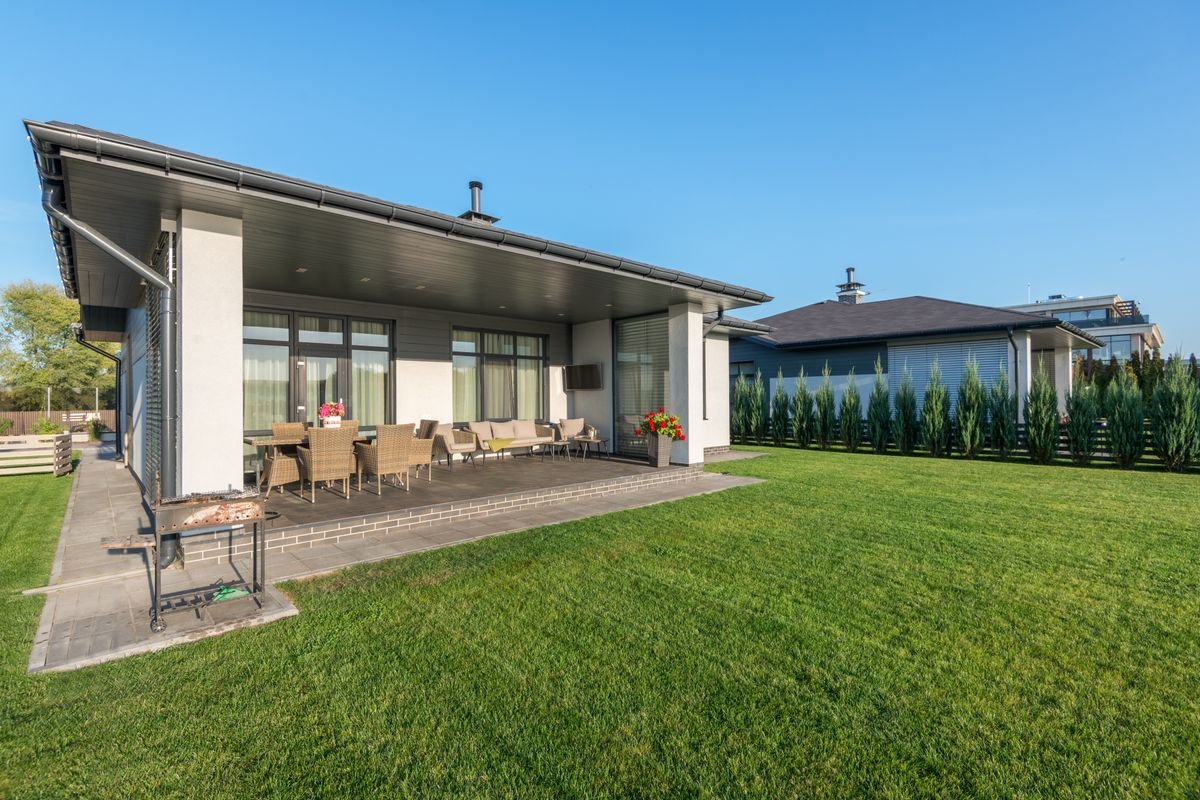

A front porch, once a near-universal fixture of neighborhood life, gradually gave way to backyard decks and privacy fencing across a lot of suburban development, quietly removing the specific architecture that once made casual neighborhood interaction almost automatic. Now, porch culture has started genuinely returning, both through new construction deliberately incorporating it and through renewed, intentional use of existing front porches that had largely become decorative rather than functional.
Why the Porch Declined in the First Place
Suburban development through the mid-to-late twentieth century increasingly prioritized backyard privacy, air conditioning reduced the practical need to sit outside for relief from indoor heat, and car-centric neighborhood design meant fewer people walking past a front porch to actually interact with in the first place. These combined factors gradually shifted outdoor living toward private backyards rather than the more publicly visible front of a home.
What’s Driving the Renewed Interest
- Growing concern about neighborhood disconnection — broader conversations about social isolation have made the porch’s traditional function, casual, low-stakes neighborly interaction, feel newly valuable rather than outdated
- New urbanist and walkable neighborhood design — a growing segment of new residential development deliberately incorporates front porches and reduced setbacks specifically to encourage this kind of interaction
- Remote work flexibility — more people working from home has increased daytime presence in residential neighborhoods, creating more opportunity for genuine porch-based interaction than existed when most residents were away at offices during the day
- Nostalgia paired with genuine functional reconsideration — some homeowners are deliberately reclaiming underused front porches as functional space rather than purely decorative architecture
A Personal Account of Reclaiming a Front Porch
My own front porch sat almost entirely unused for years, furniture-free, purely decorative, while all actual outdoor time happened in the backyard. Deliberately setting up seating and spending time there instead, even just a regular morning coffee, changed my relationship with neighbors considerably, casual conversations happened simply because I was visible and present in a way backyard time never allowed, purely through the accident of where I happened to be sitting.
The Architecture of Casual Interaction
Urban planning researchers have long studied how physical design shapes social interaction, and the front porch represents a particularly clear example, its specific positioning, visible from the street but still part of private property, creates a genuinely unique social zone that’s neither fully public nor fully private, ideal for the kind of low-stakes, spontaneous interaction that more clearly defined public or private spaces don’t support as naturally.
How New Development Has Responded
Some newer residential developments, particularly those following new urbanist design principles, have deliberately incorporated front porches, reduced front setbacks, and narrower streets specifically to encourage this kind of casual neighborhood interaction, a genuine design response to decades of development that had prioritized privacy and vehicle access over walkable, socially engaged street-level design.
Front Yard Culture Beyond Just the Porch
Beyond formal porch architecture, broader front yard culture has seen similar renewed interest, front yard gardens, visible seating areas, and deliberately less privacy-focused landscaping choices all reflect a similar underlying shift toward treating the front of a home as a genuine social space rather than purely a buffer between the street and a more private backyard.
Why This Connects to Broader Loneliness Conversations
Growing public health attention to social isolation and loneliness has made casual, low-effort social infrastructure, the kind a functional front porch naturally provides, considerably more relevant to broader wellbeing discussions than it might have seemed during earlier decades when this kind of connection felt more reliably available through other channels.
The Difference Between a Decorative and Functional Porch
Many homes retain a front porch architecturally without it actually serving any genuine social function, unused, furniture-free, essentially decorative. The renewed porch culture trend specifically emphasizes actual use, comfortable seating, regular presence, treating the space as genuinely lived-in rather than simply an unused architectural holdover from an earlier design era.
Practical Considerations for Reclaiming Existing Porch Space
For homeowners with an existing but underused porch, adding comfortable, weather-appropriate seating and treating the space as a genuine destination, morning coffee, evening relaxation, rather than simply a walkway to the front door, represents the most direct way to actually restore its traditional social function without requiring any structural changes.
FAQ
Why did front porches become less common in suburban development?
Factors like air conditioning reducing the need to sit outside for relief from heat, car-centric neighborhood design, and a general shift toward backyard privacy all contributed to porches becoming more decorative than functional over recent decades.
What is new urbanist design, and how does it relate to porch culture?
New urbanist design principles emphasize walkable neighborhoods and deliberately incorporate features like front porches and reduced setbacks specifically to encourage casual street-level social interaction between neighbors.
Can I bring back porch culture without renovating my home?
Yes, adding comfortable seating and regularly spending time on an existing front porch, treating it as a genuine destination rather than just a walkway, can restore much of its traditional social function without structural changes.
How does porch culture relate to concerns about neighborhood loneliness?
A functional front porch provides low-effort, casual social infrastructure that facilitates spontaneous neighborly interaction, which has become newly relevant amid broader public conversations about social isolation and disconnected communities.
Conclusion
The front porch’s comeback isn’t primarily about nostalgia for its own sake, it’s a genuine, renewed recognition that casual, low-stakes neighborhood connection requires specific physical space to actually happen. For homeowners willing to reclaim an underused porch as genuinely lived-in space, that architecture has proven remarkably effective at doing exactly what it was originally designed for.