
The dinner table with a picky eater is a familiar scene. One child will eat only plain pasta, another rejects anything with visible vegetables, and the adult at the stove is left deciding between cooking three different meals or sitting through a standoff. Most parents have tried both, and neither works well for long. The good news is that there is a middle path that does not require a separate dinner for each person, and it rests on some fairly consistent ideas from feeding specialists and child development research.
Picky Eating Is Common and Usually Temporary
Many young children go through phases of food refusal, often starting around the toddler years. Wariness of new foods, called neophobia, is a normal developmental stage that is thought to have protected small children from eating unfamiliar, possibly harmful things. Tastes also change as children grow, and foods rejected at three are often accepted at seven.
That said, some feeding difficulties go beyond ordinary pickiness. If a child eats a very small range of foods, has trouble gaining weight, gags or becomes very distressed around food, or has a sudden drop in what they will accept, it is worth talking to a pediatrician or a feeding specialist.
The Principle That Makes Everything Easier: Split the Job
One of the most widely used frameworks in feeding advice divides the work between parent and child. The adult decides what food is served, when, and where. The child decides whether to eat it and how much. This arrangement removes the pressure that tends to make mealtimes into battles, and it keeps the adult from becoming a short-order cook.
In practice, that means you stop negotiating about each bite, stop bribing or bargaining, and stop making a second meal when the first is refused. It also means you trust that a healthy child, offered a reasonable variety over days, will eat enough across the week even if one dinner goes untouched.
Build the Meal Around Components, Not a Single Dish
The simplest way to feed a mixed household with one cooking effort is to serve meals in parts that people can assemble themselves. A taco night with separate bowls of seasoned meat, rice, beans, cheese, chopped lettuce, and tomatoes lets each person build a plate they like. The same goes for pasta with sauce on the side, grain bowls, baked potatoes with toppings, and flatbreads with a spread of fillings.
- Include at least one familiar food. Bread, rice, plain pasta, or fruit on the table means no one has to leave hungry, and it takes the pressure off.
- Serve family-style. Let children take their own portions from shared dishes. Having a say over the plate makes many kids more willing to try things.
- Keep new foods small and optional. A single piece of broccoli on the plate is less intimidating than a large pile.
- Offer sauces and dips. Hummus, yogurt, mild tomato sauce, or a little ranch-style dip often makes a vegetable more appealing.
Repeated Exposure Does More Than Persuasion
Research on children’s eating suggests that it can take many exposures, sometimes ten or more, before a child accepts a new food, and that exposure counts even when the child does not eat it. Seeing it on the table, touching it, smelling it, and watching others eat it all count as steps toward acceptance.
The practical takeaway is to keep offering rejected foods calmly, without commentary, over weeks and months. Resist saying “just try one bite” at every meal, since pressure often has the opposite effect. A neutral “you don’t have to eat it” leaves the door open for curiosity.
Involve Children in the Kitchen
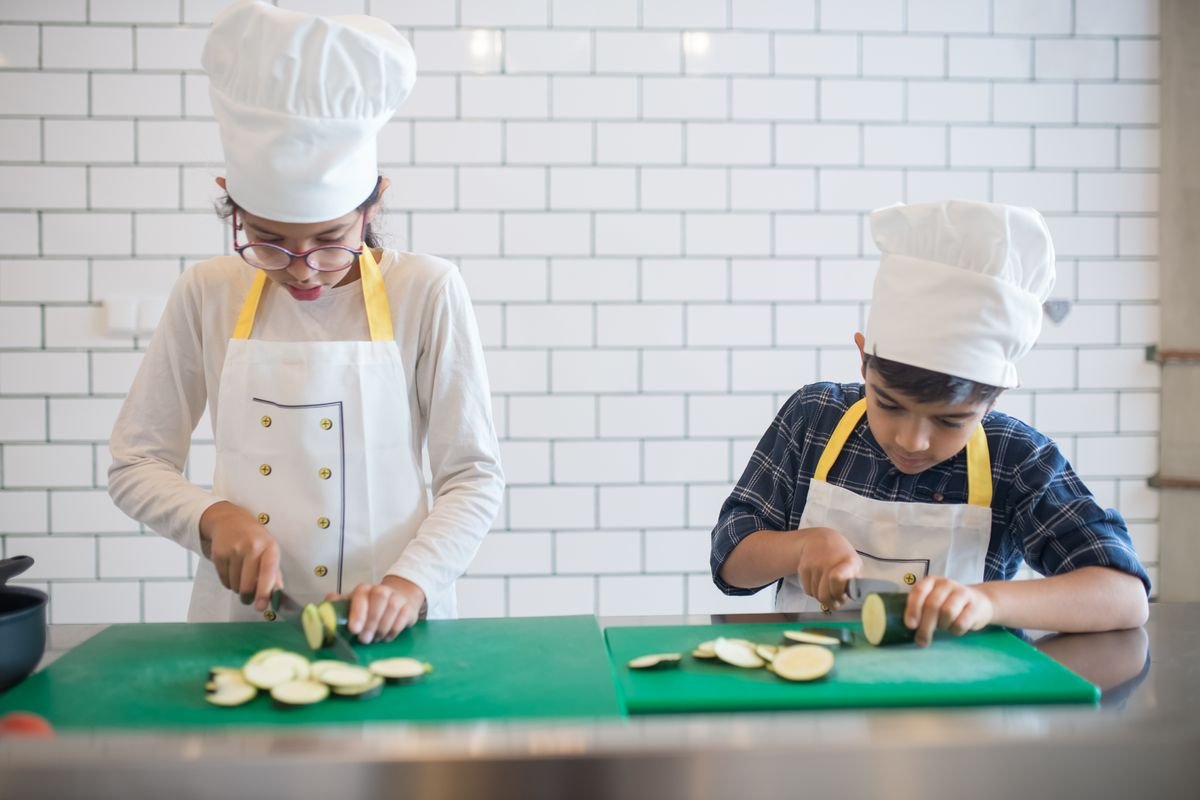
I noticed with my own family that a vegetable a child helped wash, peel, or stir was far more likely to be tasted than the same vegetable served without ceremony. Even small jobs count: tearing salad leaves, stirring a batter, choosing a vegetable at the market, or arranging cut fruit on a plate. Children are more curious about foods they have handled themselves, and they begin to see cooking as something they can do rather than something that happens to them.
Plan the Week Around Flexibility
Meal planning for a picky eater works best when it is built around a handful of reliable formats rather than a long list of new recipes. A weekly rotation might include a build-your-own night, a soup-and-bread night, a baked-protein-and-sides night, and a pasta night. Within each format, you can quietly vary the vegetables and sauces without redesigning the whole meal.
It also helps to include a safe food at every meal and to rotate which meals feature a new or less-preferred item. Over time, the range of foods that feel familiar grows, even if progress seems slow week to week.
What Not to Do
- Do not use dessert as a reward for eating dinner. It teaches children that sweets are the prize and vegetables are the price.
- Do not label children as picky in front of them. The label tends to stick.
- Do not hide vegetables as a primary strategy. Blending vegetables into sauces is fine as an addition, but it does not teach a child to accept the vegetables themselves.
- Do not turn meals into negotiations. Calm, predictable routines work better than persuasion.
FAQ
How many times should I offer a food before giving up?
Research suggests children can need ten or more exposures before accepting a new food. Keep offering it calmly in small amounts over weeks or months without pressure.
Should I make a separate meal for a picky eater?
Generally no. A better approach is to serve components that include at least one food the child already accepts, so everyone can build a plate from the same meal.
Is hiding vegetables in food a good idea?
It can add nutrition, but it does not help children learn to accept vegetables themselves. It works best alongside, not instead of, regular exposure to vegetables in their ordinary form.
When should I be concerned about picky eating?
Talk to a pediatrician or feeding specialist if your child eats a very narrow range of foods, is not growing as expected, gags or becomes very distressed around food, or loses foods they previously accepted.
Conclusion
Feeding a picky eater is less about winning each meal and more about making meals calm, predictable, and varied over time. Serving components, including a safe food, repeating exposure without pressure, and letting children help in the kitchen all make one dinner workable for everyone at the table, and they tend to widen what children are willing to eat as they grow.