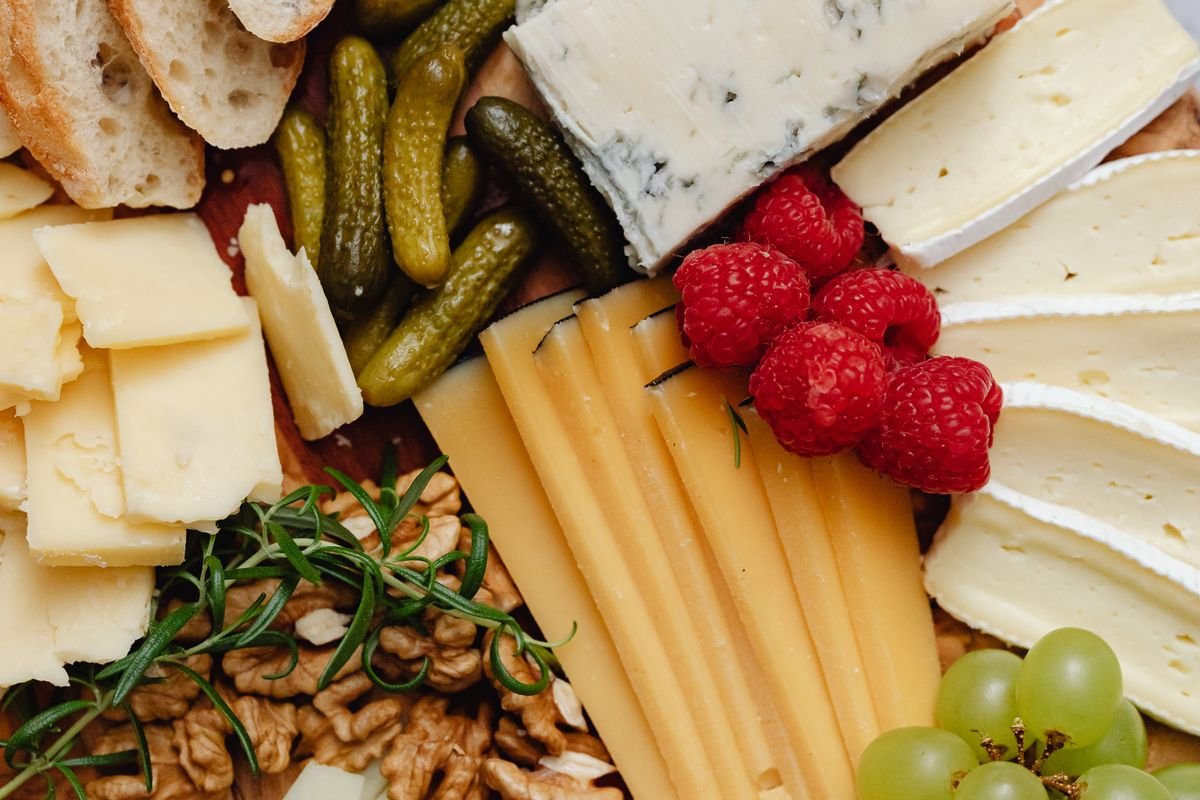

Put a cheese board in front of someone and you’re not just feeding them. You’re handing them a small, edible map of a place. The cheeses, the accompaniments, even the order people reach for things says something about where a tradition grew up.
A French board and a Spanish one might both look elegant under photography lights, but they behave completely differently at the table. One is about a slow procession of courses. The other is about grazing, conversation, and refilling the wine before anyone notices the glass is empty.
The Board as a Reflection of Climate and Land
Cheese follows geography more closely than almost any other food. Mountain regions with dairy cattle produce firm, aged wheels built to survive long winters. Coastal areas with sheep and goats lean toward softer, tangier cheeses that don’t need months of aging to taste finished.
The Netherlands built an entire cultural identity around Gouda and Edam, cheeses designed to travel well on trade ships centuries ago. Switzerland’s alpine cheeses, hard and nutty, were built for cellars and cold storage long before refrigeration existed. None of this is accidental. It’s a direct response to what the land and climate allowed.
What Sits Beside the Cheese Matters Just as Much
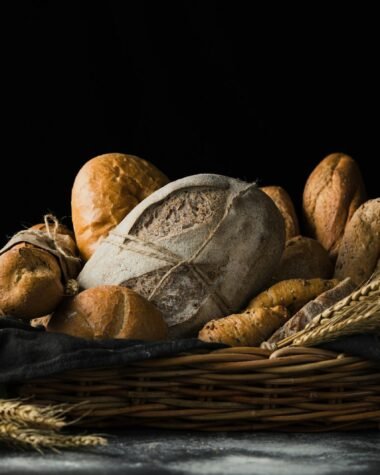
- France — often paired with fresh bread, minimal fruit, and a focus on the cheese itself as the centerpiece
- Spain — cured meats, olives, and almonds share equal billing, no single item dominates
- Italy — honey and fig jam show up constantly, balancing sharp aged cheeses like pecorino
- The Balkans — pickled vegetables and flatbread turn the board into something closer to a full meal
- The United States — a mash-up approach, borrowing elements from everywhere, reflecting a food culture built on immigration
I once put together a board for a dinner party trying to “do it properly” French style, minimal and restrained. Within twenty minutes someone had added crackers, grapes, and a jar of chutney from the fridge. Turns out most home cheese boards end up reflecting the host’s habits more than any single tradition, and that’s fine.
Etiquette Differences That Catch People Off Guard
In some cultures, cutting into a wheel of cheese from the wrong angle is a minor faux pas. French tradition says to cut wedges so each guest gets a fair share of rind and center, since the flavor differs across the cheese. Ignore that rule in most casual settings and nobody will notice. Ignore it at a formal French dinner and someone might gently correct you.
Spanish tapas culture treats cheese as one small plate among many, never the star of the evening. Trying to build an elaborate solo cheese course in that context can feel oddly formal, almost out of place.
Why This Still Matters at Your Own Table
You don’t need to recreate a specific country’s tradition perfectly to get something out of this. Borrowing a pairing idea, honey with sharp cheese, pickles with something creamy, changes how a board tastes without changing what’s on it. Small adjustments like that turn a default cheese plate into something with a point of view.
FAQ
What makes a cheese board feel “regional” instead of generic?
The accompaniments usually matter more than the cheese itself. Pairing choices like honey, cured meats, or pickled vegetables tied to a specific culinary tradition give a board a clearer identity than the cheese selection alone.
Do I need cheeses from a specific country to build an authentic regional board?
Not necessarily. Many regional cheeses have close substitutes available locally. Matching the style, texture, and pairing approach of a tradition matters more than sourcing the exact original product.
How many cheeses should go on a board?
Three to five is a common range, ideally with variety in texture and intensity, such as one soft, one firm, and one aged option. More than that tends to overwhelm the palate rather than add interest.
Conclusion
A cheese board is a small, low-stakes way to travel without leaving your kitchen table. Pick one region, borrow its pairing logic, and build from there. You’ll end up with something that tastes more intentional than anything assembled from whatever happened to be on sale.