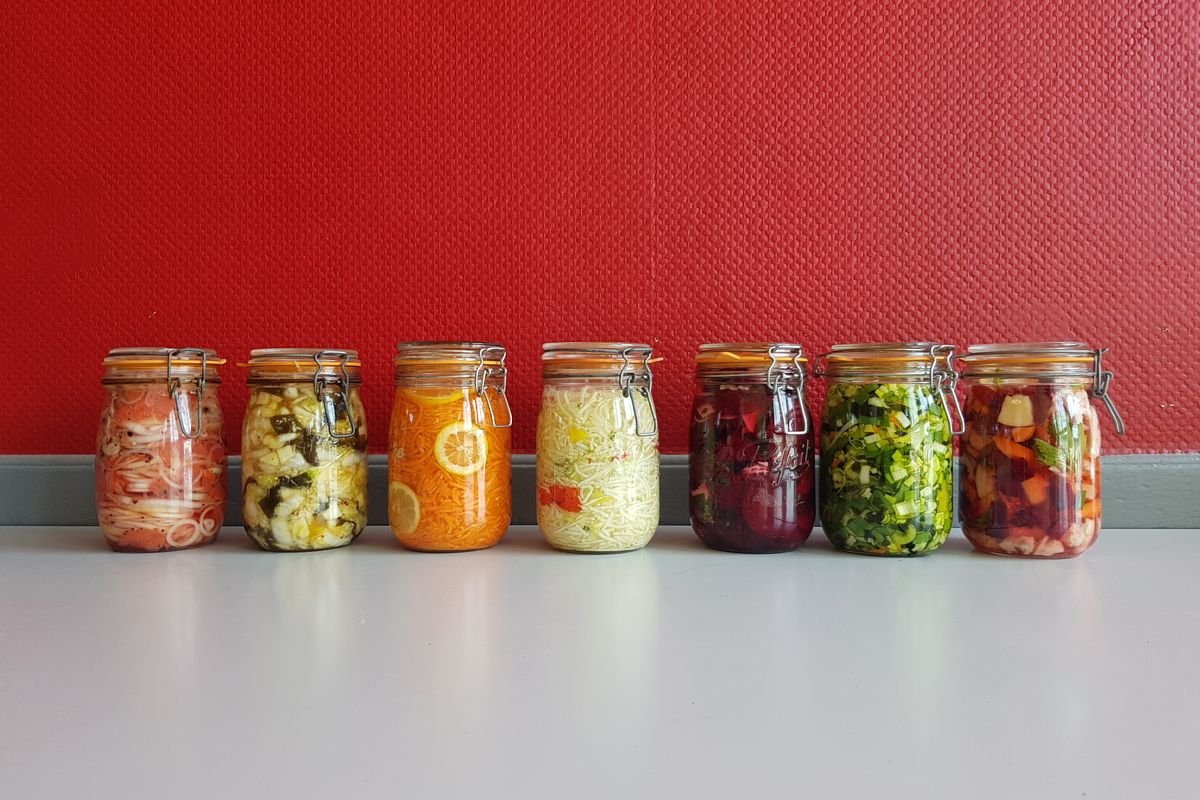

A jar of bubbling cabbage on the counter used to mean something had gone wrong in the kitchen. Now it means someone’s making kimchi. Fermentation, once the domain of grandmothers and small-batch producers, has quietly become one of the most talked-about home cooking skills around, and it’s not slowing down.
What changed? Partly it’s gut health awareness. Partly it’s boredom with store-bought condiments that taste the same everywhere. And partly, honestly, it’s just fun to watch food transform on your counter without touching a stove.
Why Fermentation Caught On
Fermentation solves a problem a lot of home cooks didn’t know they had: flavor that develops on its own. You add salt, time, and a jar. The bacteria do the rest. No special equipment required for most beginner projects, which is a big part of the appeal.
The first time I tried sauerkraut, I was convinced I’d ruined it. It smelled sharp, looked cloudy, and sat untouched for a week because I was too nervous to open the jar. Turns out that’s exactly what it’s supposed to do.
The Most Popular Projects Right Now
- Kimchi — the gateway ferment for most beginners, thanks to endless variation in spice and vegetable choice
- Kombucha — less intimidating than it looks once you get a SCOBY going
- Fermented hot sauce — chilies, salt, water, and patience
- Milk kefir — a low-effort daily ferment that fits into an existing routine
- Sourdough — technically a ferment, and still the one that got people hooked during lockdown
- Miso — a longer project, months rather than weeks, for cooks who’ve moved past the basics
What Makes a Ferment Go Right (or Wrong)
Salt ratio matters more than almost anything else. Too little, and you risk mold. Too much, and nothing happens at all. Most vegetable ferments land somewhere around 2% salt by weight, though recipes vary.
Temperature matters too. A ferment left in a warm kitchen moves fast. One tucked in a cool pantry takes its time and often develops a more complex flavor. There’s no single correct answer here, just tradeoffs.
My biggest early mistake was ignoring the brine level. Vegetables need to stay submerged. The moment they poke above the liquid, they’re exposed to air, and that’s where trouble starts.
Beyond Flavor: The Appeal of Doing Something Slow
There’s a reason fermentation has staying power beyond any single health claim. It rewards patience in a way most modern cooking doesn’t. You can’t rush a ferment. You check on it, you wait, and eventually it’s ready. In a kitchen culture built around fifteen-minute meals, that slowness is part of the draw, not a drawback.
It also turns cheap ingredients into something with real character. A head of cabbage costs almost nothing. Given three weeks and some salt, it becomes something you’d pay a premium for at a specialty shop.
FAQ
Do I need special equipment to start fermenting at home?
No. A clean glass jar, a weight to keep vegetables submerged, and something to cover the top loosely are enough for most vegetable ferments. Specialized crocks and airlocks help with larger batches but aren’t necessary for beginners.
Is it safe to ferment food at home?
Yes, as long as you follow basic salt ratios and keep vegetables submerged in brine. The acidic, salty environment that develops naturally discourages harmful bacteria. Mold on the surface should be scraped off immediately, and anything that smells rotten rather than sour should be discarded.
How long does homemade fermented food last?
Most vegetable ferments keep for several months in the refrigerator once they’ve reached the flavor you want. Cold storage slows fermentation dramatically without stopping it completely, so flavor will keep evolving slowly over time.
What’s the easiest fermented food for a total beginner?
Sauerkraut. It requires only cabbage and salt, no starter culture, and forgives small mistakes better than most other ferments.
Conclusion
Fermentation isn’t a trend that’s going to fade once the next food craze shows up. It’s too practical, too cheap, and too genuinely satisfying for that. Start with one jar of sauerkraut. If it works, and it probably will, you’ll understand exactly why so many kitchens have a jar bubbling away on the counter right now.