
A power bill arrives once a month, a single total figure covering weeks of accumulated usage across dozens of devices, appliances, and systems that most households have essentially no visibility into individually. Home energy monitors have changed that considerably, breaking down that single opaque number into specific, actionable data about where electricity actually goes throughout a home.
What Home Energy Monitors Actually Do
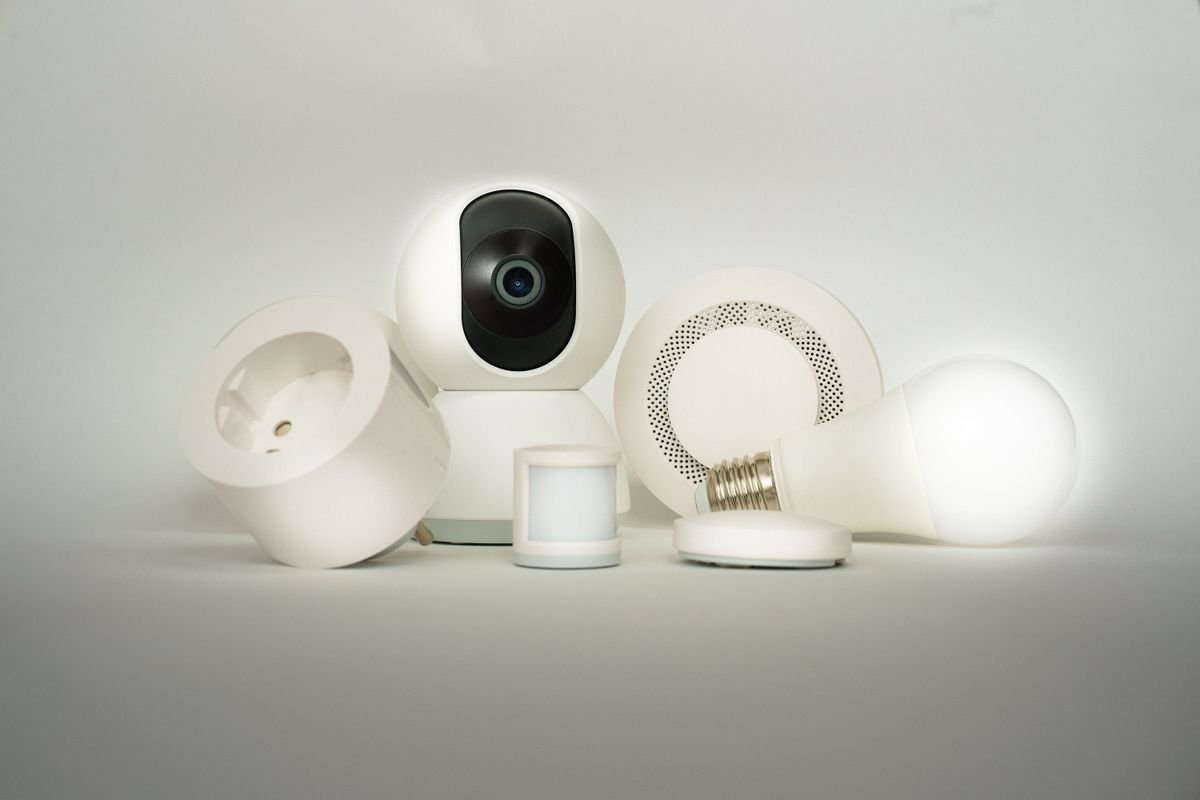
These devices, ranging from whole-home monitoring systems installed at an electrical panel to individual smart plugs monitoring specific appliances, track real-time and historical electricity usage, breaking down consumption by circuit or individual device rather than leaving households with only a single, undifferentiated monthly total.
Why This Visibility Genuinely Changes Behavior
- Identifying unexpected energy drains — older appliances, devices left in standby mode, or malfunctioning equipment often consume considerably more electricity than households realize until actual data reveals it
- Real-time feedback on behavior changes — seeing immediate usage data when adjusting a thermostat or turning off specific devices provides direct reinforcement that a monthly bill alone can’t offer
- Identifying the most impactful changes first — rather than guessing which behavior changes matter most, actual data reveals which specific devices or habits are genuinely worth addressing versus which contribute only marginally
- Detecting potential equipment problems early — an appliance suddenly drawing considerably more power than its historical pattern can signal a developing mechanical issue before it becomes a more serious, expensive problem
A Personal Account of What Monitoring Revealed
I installed a whole-home energy monitor mostly out of curiosity, expecting a fairly predictable breakdown matching my general assumptions about where electricity went in my home. The actual data revealed a specific older appliance consuming considerably more than I’d assumed, and a pattern of standby power draw across several devices that added up to a genuinely meaningful ongoing cost I hadn’t previously considered worth addressing. Actually seeing the specific numbers changed which fixes I prioritized, considerably more effective than the vague general assumptions I’d operated on previously.
The Difference Between Whole-Home and Device-Specific Monitoring
Whole-home systems, typically installed at the electrical panel, provide comprehensive visibility across an entire home’s usage but require more involved installation, sometimes professional electrical work. Individual smart plugs offer a more accessible, lower-cost entry point, monitoring specific devices without requiring panel-level installation, though providing less comprehensive coverage than a whole-home system.
How This Connects to Broader Cost-Saving Motivations
Rising electricity costs in many regions have made energy monitoring considerably more financially motivated than it might have been previously, when energy costs were more modest and the potential savings from optimized usage mattered proportionally less to overall household budgets. This financial motivation has driven adoption beyond purely environmentally motivated early adopters into a broader, more cost-conscious household base.
Identifying “Phantom” or Standby Power Drain
A specific category of energy waste that home monitoring commonly reveals involves standby power, devices continuing to draw electricity even when seemingly off, chargers left plugged in without an active device connected, electronics in standby mode rather than fully powered down. Individually modest, this standby drain often accumulates into a genuinely meaningful ongoing cost across a household’s full collection of devices, one that’s essentially invisible without specific monitoring data revealing it.
Integration With Broader Smart Home Systems
Many current energy monitoring systems integrate with broader smart home platforms, allowing automated responses to usage data, automatically adjusting thermostat settings during peak usage periods, for instance, rather than requiring manual intervention every time a cost-saving opportunity presents itself. This automation extends the practical value of monitoring data beyond simple awareness into genuine, ongoing behavioral change without requiring constant manual attention.
Utility Company Programs Supporting This Trend
Some utility companies have begun offering their own energy monitoring tools or rebates for customer-installed monitoring systems, recognizing that better-informed customers often reduce overall grid demand during peak periods, a genuine benefit to utility infrastructure management beyond the individual household savings involved. This alignment of interests has accelerated monitoring adoption in regions where utilities actively support it.
What Households Do With the Data Once They Have It
Simply having access to detailed energy data doesn’t automatically produce savings, households need to actually act on what the data reveals, replacing an inefficient appliance, adjusting specific usage habits, addressing standby drain, for the monitoring investment to translate into genuine reduced costs. The most successful users treat monitoring as a starting point for specific, targeted changes rather than a passive dashboard checked occasionally without follow-through action.
FAQ
Do I need professional installation for a home energy monitor?
Whole-home systems installed at the electrical panel often require professional installation, while individual smart plugs monitoring specific devices typically don’t, offering a more accessible entry point for many households.
How much can home energy monitoring actually save on electricity bills?
This varies considerably by household and how effectively the resulting data gets acted upon, but many users report meaningful savings after identifying and addressing specific high-consumption devices or standby power drain revealed by the data.
What is “phantom” or standby power drain?
It refers to electricity consumed by devices that appear off but remain in standby mode or plugged in without active use, which individually seems minor but can accumulate into a meaningful ongoing cost across a household’s full device collection.
Can energy monitors help identify appliance problems before they become serious?
Yes, a sudden, unexplained increase in a specific appliance’s power draw compared to its historical pattern can signal a developing mechanical issue, allowing earlier intervention than waiting for a complete failure.
Conclusion
Home energy monitors succeed by replacing a single, opaque monthly total with specific, actionable data about where electricity actually goes. For households willing to act on what that data reveals, the resulting visibility has turned out to matter considerably more than any single energy-saving tip ever could on its own.