
Most modern apps assume a constant, reliable internet connection, failing awkwardly or becoming completely unusable the moment that connection drops. A growing category of apps has deliberately pushed back against this assumption, building offline functionality as a core design principle rather than treating connectivity loss as an edge case barely worth addressing.
What “Offline-First” Actually Means
Offline-first design treats local functionality, working entirely on a device without requiring an active internet connection, as the default expectation, with online syncing and cloud features layered on top rather than treated as the fundamental requirement for basic app function. This represents a genuine reversal of how most contemporary apps are designed, online-first with offline handling added, if at all, as an afterthought.
Why This Approach Has Gained Renewed Interest
- Unreliable connectivity remains common — despite widespread internet access, genuine connectivity gaps still occur regularly, subway commutes, rural areas, flights, and simply unreliable home or mobile connections
- Privacy concerns around constant cloud syncing — some users specifically prefer keeping certain data purely local, avoiding the privacy implications of constant cloud transmission and storage
- Frustration with cloud-dependency failures — apps becoming completely unusable during brief connectivity interruptions, even for tasks that don’t inherently require internet access, has driven genuine user frustration
- Battery and data usage benefits — apps that don’t constantly attempt cloud synchronization often use less battery and mobile data than their cloud-dependent counterparts
A Personal Account of Frustration That Led to Seeking Offline Alternatives
I lost a genuinely important set of notes once, not through any actual data loss, but because a note-taking app refused to display anything at all during a temporary connectivity gap, despite the content technically existing somewhere on the device already. That specific frustration pushed me toward actively seeking offline-first alternatives for anything genuinely important, applications where a temporary connection issue wouldn’t mean total, if temporary, inaccessibility to my own data.
Common Categories Where Offline-First Design Matters Most
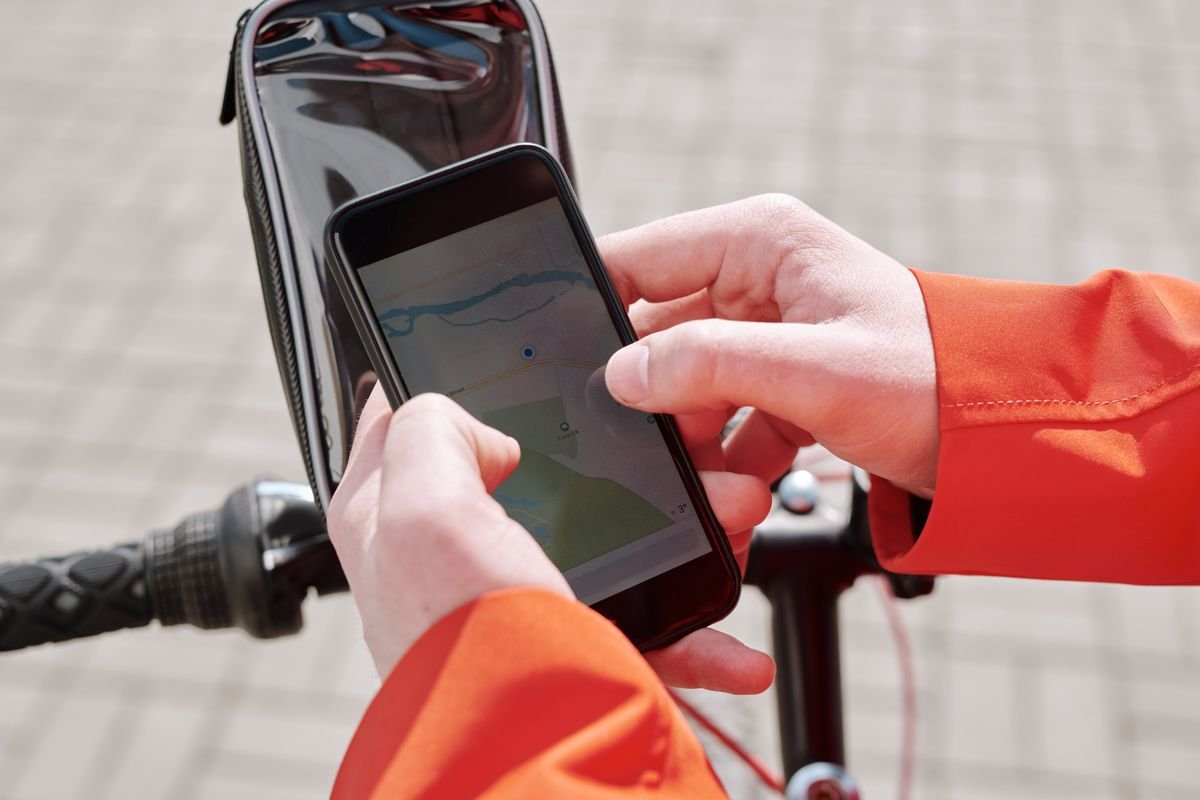
Note-taking and writing apps, where the actual content creation shouldn’t logically require constant internet access at all, represent one of the clearest cases for offline-first design. Mapping and navigation apps with offline map downloads address a genuinely practical need for travelers in areas with unreliable connectivity. Task management and to-do list apps similarly benefit, since checking off a task shouldn’t logically require any internet connection whatsoever.
How Offline-First Apps Handle Eventual Syncing
Well-designed offline-first apps still support cloud syncing and backup, but treat it as a secondary layer, changes made offline sync automatically once connectivity returns, without ever preventing the core functionality from working in the interim. This requires more sophisticated technical architecture than simply assuming constant connectivity, since the app needs genuine conflict resolution logic for cases where the same data was modified on multiple devices during a connectivity gap.
The Tradeoff Between Offline Capability and Real-Time Collaboration
Genuinely offline-first design sometimes trades off against real-time collaborative features that inherently require constant connectivity, multiple people editing the same document simultaneously, for instance, is considerably harder to implement well in a genuinely offline-capable way. This tradeoff means offline-first design suits some app categories, individual note-taking, personal task management, considerably better than others genuinely built around real-time multi-user collaboration.
Why Some Developers Have Deliberately Chosen This Harder Path
Building genuine offline-first functionality requires considerably more development effort than simply assuming constant connectivity, handling data conflicts, local storage management, and sync logic all add real technical complexity. Developers choosing this approach despite the added difficulty generally cite genuine user demand and frustration with cloud-dependency failures as justifying the additional investment.
What Users Should Look for When Evaluating App Reliability
Testing an app’s actual behavior during a deliberate connectivity interruption, putting a phone in airplane mode briefly while using a specific app, reveals considerably more about genuine offline capability than marketing descriptions alone, which sometimes claim offline support that turns out to be quite limited in actual practice once tested directly.
The Broader Pattern This Reflects
The renewed interest in offline-first design connects to a broader pattern of technology users increasingly questioning default assumptions that constant connectivity is either guaranteed or genuinely desirable for every single application, regardless of whether the core task actually requires it. This skepticism mirrors similar questioning happening around constant cloud dependency and data privacy more broadly across technology use generally.
FAQ
What does “offline-first” mean for an app?
It means an app is designed to function fully without an internet connection as its default expectation, with cloud syncing and online features added as a secondary layer rather than being required for basic functionality.
Why do some apps completely fail without an internet connection even for simple tasks?
Many apps are designed with an online-first assumption, treating constant connectivity as guaranteed, which means offline handling, if implemented at all, is often added as an afterthought rather than a core design principle.
Are offline-first apps less capable of real-time collaboration?
Often yes, genuine real-time multi-user collaboration typically requires constant connectivity, making it considerably harder to implement well within a genuinely offline-first architecture compared to individual-use app categories.
How can I test whether an app actually works offline as advertised?
Deliberately using an app while your device is in airplane mode reveals its actual offline behavior directly, which can differ considerably from marketing claims that sometimes overstate genuine offline capability.
Conclusion
Offline-first design asks a fairly simple question that a lot of modern app development has quietly stopped asking, does this specific task actually require an internet connection at all? For users tired of losing access to their own data over a temporary connectivity gap, apps built around that question have offered a genuinely more reliable alternative.