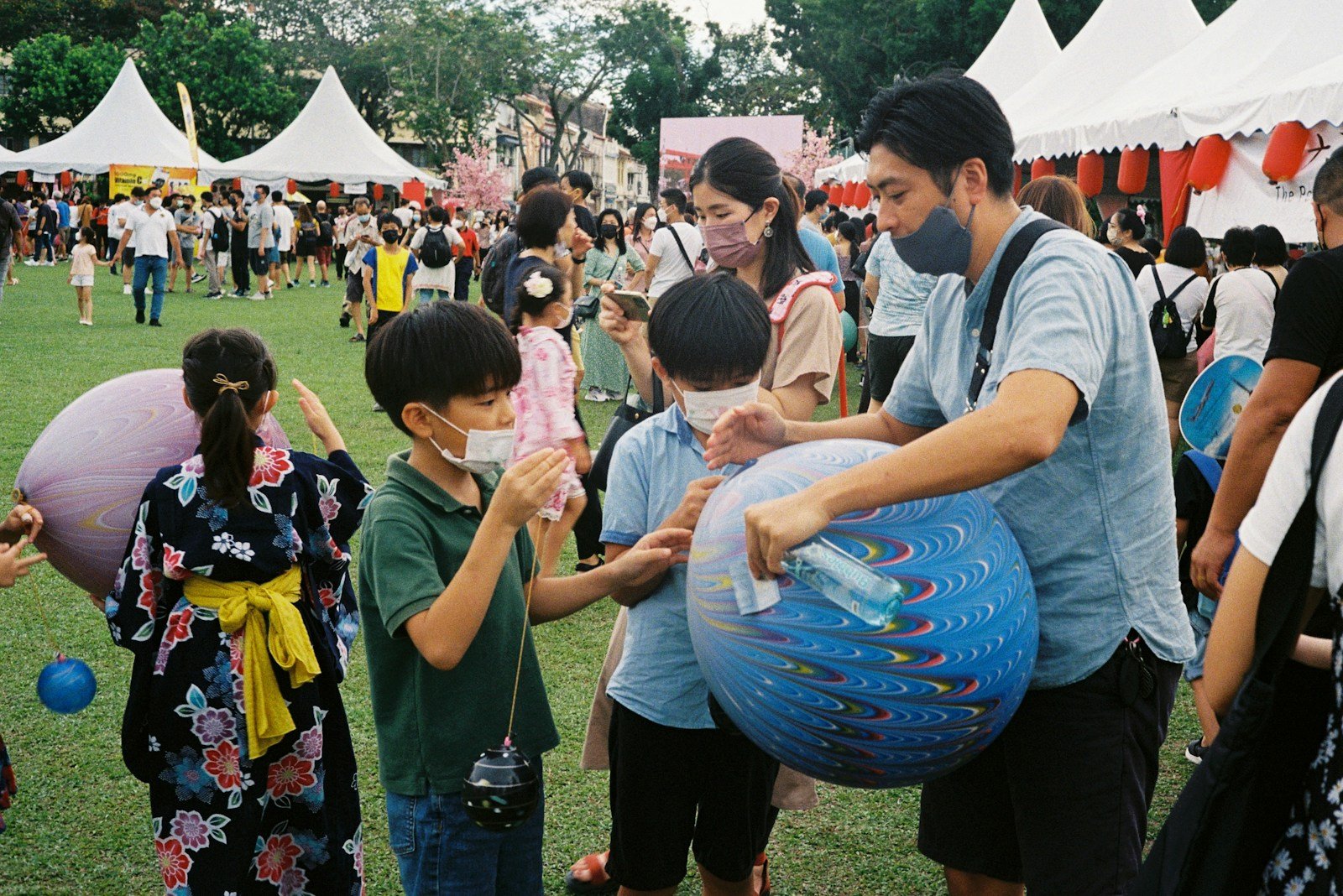

Every traveler remembers their first unexpected festival. You arrive in a town for what you think will be a quiet weekend, only to find streets alive with music, lanterns glowing, families in traditional dress, and the air buzzing with anticipation. Suddenly, your itinerary no longer matters. You’re swept into a celebration you didn’t plan for—and in that moment, travel stops being about seeing and starts being about feeling.
Local festivals aren’t just events. They’re windows into a community’s soul. They tell stories of heritage, faith, resilience, and joy that no museum label or travel guide could ever fully capture. And for the traveler willing to join in, they can permanently shift the way you see not only the destination, but travel itself.
1. Festivals as Living Classrooms
History Comes Alive
Reading about a country’s history in a guidebook is one thing; dancing in the middle of a centuries-old celebration is another. Festivals often trace back to traditions hundreds of years old. Standing in a square while a procession reenacts a legend or honors an ancient harvest, you realize that history isn’t locked in dusty archives—it’s alive, evolving, and carried by the people around you.
In Kyoto, Japan, the Gion Matsuri is more than a parade. It’s a month-long lesson in resilience and faith that stretches back to the ninth century. Travelers who stumble into it don’t just see heritage—they experience it in motion, woven into the rhythm of modern life.
Learning Through Participation
You don’t need to be a historian to absorb knowledge. By eating festival foods, learning a dance step, or even just listening to stories shared around a communal fire, you’re introduced to traditions in their most natural form. What seemed foreign in textbooks suddenly feels personal when shared in laughter, music, and hospitality.
2. The Unexpected Human Connection
Strangers Becoming Hosts
Festivals break down walls between locals and visitors. People who might normally pass you by on a busy street suddenly welcome you with open arms, eager to share their traditions. They might hand you a plate of food, offer to teach you a chant, or pull you into a circle dance without hesitation.
The traveler becomes less of an outsider and more of a guest. These small acts of inclusion create lasting memories, and sometimes even friendships that continue long after the festival ends.
Collective Joy That Transcends Language
You may not understand every word of a song or chant, but joy is universal. Standing among a crowd as drums beat, voices rise, and fireworks burst, you find yourself part of something greater than yourself. The celebration reminds you that joy doesn’t need translation—it only needs presence.
3. Festivals as Mirrors of Culture
Faith and Identity Interwoven
Many local festivals are deeply tied to spiritual or religious traditions. From Ramadan bazaars filled with light and prayerful gatherings, to village harvest feasts giving thanks to the Creator, these events reveal how communities honor their faith and identity. For the traveler, it’s a chance to witness the values that anchor daily life.
You realize that festivals aren’t just about entertainment—they’re acts of devotion and expressions of gratitude. Seeing this reshapes the way you view both the destination and your own travels.
Celebrations of Resilience
Some festivals mark survival and endurance. Communities that have faced hardship often celebrate not just heritage, but the strength to endure. Witnessing these moments teaches travelers that travel isn’t only about landscapes and monuments—it’s about people and their stories of hope.
4. How Festivals Transform the Travel Experience
Breaking the Itinerary Mindset
Travelers often plan trips like checklists: this museum, that landmark, these five foods. Festivals disrupt this structure. They push you to abandon schedules and simply be present. When you let go of control, you discover that immersion often teaches you more than sightseeing ever could.
A traveler in Spain might plan to visit a few cathedrals, but stumbling into a village fiesta means hours of dancing in streets they didn’t know existed. The highlight of the trip may end up being the unplanned, not the planned.
Expanding Your Perspective
Festivals reveal that culture is dynamic, not static. It’s not just what a community was, but what it is becoming. By watching young people remix traditional music with modern sounds, or elders guiding rituals with pride, you realize that culture isn’t frozen in time—it’s alive, adapting, and resilient.
5. What Travelers Should and Shouldn’t Do
How to Engage Respectfully
When joining a local festival, curiosity should walk hand-in-hand with respect. Learn the significance of rituals before diving in, dress appropriately, and ask before photographing sacred ceremonies. Participation doesn’t mean acting like a performer—it means honoring the spirit of the event.
What NOT to Do
One mistake many travelers make is treating festivals as tourist attractions rather than sacred or communal events. Pushing into private spaces, mocking traditions, or trying to force your own narrative diminishes the experience. Festivals aren’t staged for you—they exist with or without your presence. The gift is that you were allowed to witness them.
The Balance of Observation and Participation
Sometimes the best way to honor a festival is to join in. Other times, it’s to simply watch and listen. The wisdom is knowing when to step forward and when to step back. Respect creates the space where real transformation happens.
6. Stories You Carry Home
The Memory of Belonging
Long after the music fades and the lanterns are taken down, what remains is the memory of belonging. The feeling of being pulled into a circle of dancers, the taste of a dish you’d never eaten before, the warmth of strangers who treated you like family. These memories reshape not only how you travel, but how you view humanity.
Festivals as Markers of Travel
You might forget the details of a museum exhibit or the exact route of a tour, but you’ll never forget the night you celebrated with a community under the stars. Festivals become the anchors of your travel stories—the ones you share with family years later, still smiling at the memory.
Conclusion
Local festivals prove that travel is not just about moving through space—it’s about moving through people’s stories. They open doors that landmarks cannot, offering not just sights, but belonging. They challenge you to pause, to listen, to dance, and to honor traditions that existed long before your arrival.
And most importantly, they change you. They remind you that every destination is more than a place—it’s a living heartbeat. And if you allow yourself to be swept into its rhythm, you’ll carry that heartbeat with you wherever you go.