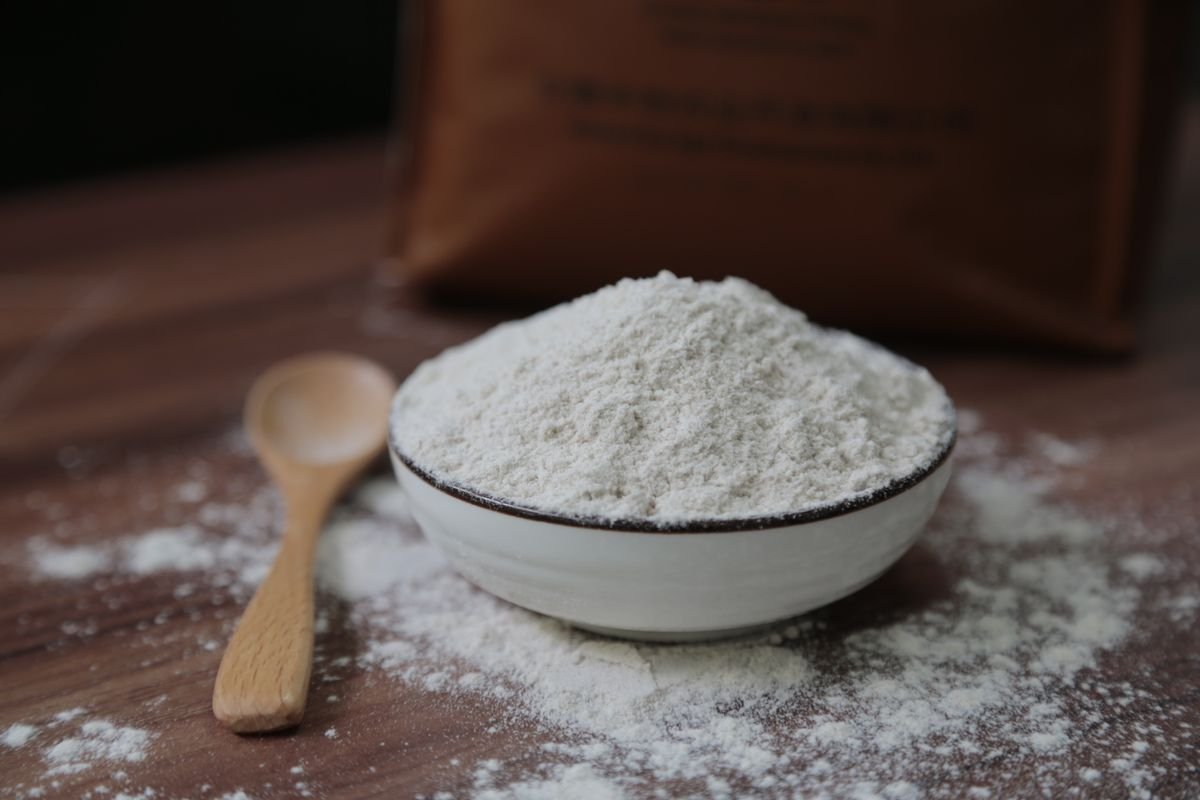

A few years ago, einkorn, emmer, and spelt were things you found only in specialty shops, usually priced like a luxury. Today they show up in neighborhood bakeries, supermarket pasta aisles, and the pantries of home bakers who would once have reached for a single bag of all-purpose flour without thinking. The interest in heritage grains and ancient flour varieties is partly fashion, but it is also tied to something real: a growing curiosity about how flour tastes, where it comes from, and how much variety we lost along the way.
What Counts as a Heritage or Ancient Grain
The terms are used loosely, and there is no single official definition. Generally, “ancient grains” refers to varieties that have changed little through modern breeding, such as einkorn, emmer (often sold as farro), spelt, Khorasan wheat (sold under a well-known trademarked name), barley, millet, sorghum, and teff. “Heritage grains” often refers to older, regional varieties of common crops, including landrace wheats and traditional rye and corn types, that were widely grown before industrial agriculture standardized production.
Einkorn and emmer are among the earliest cereals people domesticated, thousands of years ago in the Fertile Crescent. For most of history, flour was made from a patchwork of local varieties that differed from one region to the next.
How Modern Wheat Became So Uniform
In the twentieth century, plant breeders worked to produce wheat that gave high yields, resisted disease, and performed predictably in large mills and industrial bakeries. The introduction of shorter, sturdier varieties helped farmers produce far more grain per acre, which was a major factor in feeding a growing population. It also meant a sharp narrowing of the varieties most farmers planted.
Uniform wheat is good at what it was bred to do. It gives consistent flour, with predictable protein levels, that behaves the same way every time. What it sacrificed, to some degree, was diversity, and with it a range of flavors and textures that had previously existed.
What Heritage Grains Offer in the Kitchen
- Flavor. Many bakers describe heritage flours as nuttier, sweeter, or more complex than standard roller-milled flour, especially when the whole grain is used.
- Variety. Each grain behaves differently. Spelt makes tender baked goods, emmer holds its shape in salads and soups, and rye gives dense, tangy breads.
- Connection to growers. Many heritage grains are grown by small farms and milled locally, which appeals to people who want to know where their food came from.
- Support for crop diversity. Planting a wider range of varieties can make farming systems more resilient over time.
Baking With Them Takes Some Adjustment
When I first tried baking bread with a heritage flour, I followed my usual recipe and ended up with a dense, sticky loaf. The flour absorbed water differently and the dough did not develop the way I expected. Heritage grains often contain gluten that is weaker or behaves differently from modern bread wheat, so the dough can be stickier, ferment faster, and rise less dramatically.
A few adjustments help. Start by replacing only a portion of the usual flour, perhaps 20 to 30 percent, instead of swapping everything at once. Use a little less water at first and add more if the dough feels stiff. Handle the dough gently, because overworking it can make weak gluten collapse. Many of these flours shine in flatbreads, cookies, pancakes, and crackers, where a strong gluten network is not needed.
The Claims That Deserve Some Skepticism
Marketing around heritage grains sometimes goes further than the evidence. A few points are worth keeping straight:
- They are not gluten-free. Einkorn, emmer, spelt, and Khorasan wheat all contain gluten and are unsafe for people with celiac disease.
- Claims of easier digestion are not well established. Some people report feeling better after eating these grains, but this has not been reliably demonstrated, and other factors such as slower fermentation in the bread may play a role.
- Nutritional differences are modest. Whole grains of any kind are a good source of fiber, and some heritage varieties show higher levels of certain minerals or antioxidants, but the differences are not dramatic enough to make them a health shortcut.
The honest case for heritage grains rests on flavor, diversity, and sourcing, not on a promise of miracle health benefits.
Buying and Storing Them Well
Whole grain flours contain the germ, which holds natural oils that turn rancid over time. Freshly milled flour tastes noticeably better, and it is worth buying in smaller quantities and storing it in a sealed container in a cool place, or in the freezer for longer storage. Local mills and farm-direct suppliers often sell fresher flour than a bag that has spent months on a shelf. Whole grains such as farro and freekeh can be stored in a pantry for longer, since the intact kernel protects the oils inside.
Where to Start
If you want to try them, the lowest-effort route is to cook whole grains like farro or freekeh as you would rice, and use them in salads, soups, and grain bowls. For baking, swap in a portion of spelt or whole wheat heritage flour in pancakes, muffins, or a familiar bread recipe. Notice what you like, then expand from there.
FAQ
Are ancient grains healthier than regular wheat?
Whole grains in general are a good source of fiber and nutrients. Some ancient varieties have slightly different nutrient profiles, but the differences are modest, and they are best chosen for flavor and variety.
Are heritage grains safe for someone with celiac disease?
No. Einkorn, emmer, spelt, and Khorasan wheat all contain gluten. People with celiac disease need to avoid them unless a product is specifically certified gluten-free.
Why does dough made with heritage flour feel stickier?
The gluten in many heritage wheats is weaker and absorbs water differently than modern bread wheat, so the dough can feel looser and needs gentler handling.
How should I store heritage grain flour?
Keep whole grain flours in a sealed container in a cool, dark place, or in the freezer for longer storage, since the natural oils in the germ can turn rancid.
Conclusion
Heritage grains are best approached with curiosity instead of expectation. They will not replace everyday flour for every purpose, and they are not a health cure, but they bring back a range of flavors and textures that standardized flour largely smoothed over. For a home cook, trying one is a small step that makes a familiar loaf or bowl taste a little more like somewhere in particular.