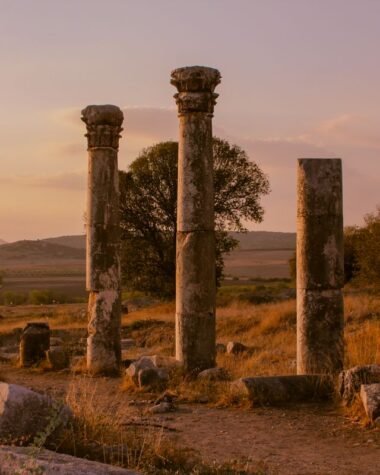

Imagine walking down a cobblestone street where horse-drawn carts outnumber cars, and the air is thick with the smell of wood-fired ovens. You pass houses with faded paint, their walls leaning as if burdened by centuries of memory. In the town square, an old clock tower strikes the hour, though it hasn’t kept proper time in decades. And yet, life moves forward—markets bustle, children play, elders sit in shaded courtyards, telling stories no smartphone could ever capture. These are cities that feel like they’re frozen in time, places where the modern world has politely stopped at the gates.
What makes such cities so compelling? Partly it’s their architecture, partly their traditions, but mostly it’s the feeling they evoke: a rare chance to step outside of history books and into living history. These cities remind us that progress doesn’t erase the past; it coexists with it, often in the most fascinating ways.
1. Why Some Cities Resist the March of Time
Geography as a Guardian
Many of these “frozen” cities owe their preservation to geography. Nestled in mountain valleys, perched on remote islands, or built deep in deserts, they’re shielded from the usual onslaught of modernization. Difficult to reach, they’ve retained their rhythms while other cities embraced highways, skyscrapers, and neon lights.
Inaccessibility has a hidden gift: it slows change. Without constant waves of outsiders demanding convenience, locals stick to old ways, building lives around traditions that thrive in isolation. Geography doesn’t just shape a city’s layout—it protects its very soul.
History as a Preserver
War, conquest, and colonization often erase cultures, yet some cities escape unscathed, either by chance or resilience. These cities hold onto customs, architecture, and festivals that others abandoned centuries ago. Walking through them feels like stepping through a portal where history still breathes.
In such places, centuries-old cathedrals still dominate skylines, traditional markets thrive where malls never took root, and oral histories replace digital archives. Their resistance isn’t defiance—it’s survival.
2. The Everyday Magic of a Timeless City
Architecture That Tells Stories
Buildings are more than walls; they’re storytellers. In frozen-in-time cities, architecture reveals tales of kings, artisans, and communities. Stone bridges still carry villagers across rivers, while courtyards host gatherings as they did for generations. Faded frescoes or intricate mosaics show that art isn’t decoration—it’s identity carved in stone.
Tourists often marvel at how intact these places feel. The lack of skyscrapers isn’t a deficiency—it’s intentional. Preserving character means resisting the lure of “progress” that often levels heritage in favor of uniform modernity.
Traditions That Refuse to Fade
Markets overflow with goods made by hand, not factory. Festivals mark seasons, harvests, or legends, each ritual a performance of memory. In some towns, people still wear traditional dress—not for tourists, but because it’s what they’ve always worn.
Daily life is equally enchanting. Bread baked in clay ovens, water fetched from communal fountains, elders gathering to recite poetry—these rhythms, unhurried and communal, remind us that humanity’s greatest strength has always been connection.
3. Cities Around the World That Feel Frozen in Time
The Stone Alleys of Matera, Italy
Matera is one of the world’s oldest continuously inhabited cities, its stone caves (sassi) carved into cliffs. Walking here feels like visiting the Biblical past. Even Hollywood films use Matera as a backdrop for ancient stories because its authenticity can’t be replicated.
Despite its global fame, Matera still feels intimate, as if time folded in on itself. Local families continue traditions of winemaking and olive oil pressing that their ancestors perfected.
The Ancient Rhythms of Fez, Morocco
Fez’s medina is a labyrinth where donkeys carry goods through narrow streets and artisans dye leather in vats that haven’t changed for centuries. The city vibrates with life yet resists modernization within its walls.
The rhythm of Fez comes from craft, ritual, and commerce. It shows how timelessness doesn’t mean stagnation—it means thriving differently.
The Quiet Charm of Český Krumlov, Czech Republic
This fairytale city, with its castle and winding river, seems untouched by modernity. Lanterns glow against cobbled streets, and the pace feels centuries slower than Prague’s. Tourists arrive but quickly find themselves hushed by the atmosphere, almost afraid to break the spell.
Here, the sense of time standing still isn’t just in the buildings—it’s in the silence that wraps around you like a warm cloak.
4. Lessons Timeless Cities Teach Modern Travelers
The Value of Slowness
In frozen-in-time cities, the fast pace of modern life feels unnecessary. There’s no rush because nothing demands it. Conversations stretch longer, meals are savored, and days unfold at the pace of the sun, not the clock.
Visitors often leave with a renewed appreciation for slowing down, realizing that time isn’t something to race against but something to experience fully.
Preservation Over Progress
Not all progress is beneficial. These cities prove that preservation can be more powerful than constant reinvention. They remind us that heritage has value beyond aesthetics—it shapes identity, community, and resilience.
Learning from them means asking: what do we preserve in our own cities? What stories are worth keeping alive for future generations?
Connection Over Consumption
Perhaps the most profound lesson is this: timeless cities prioritize people over profit. Markets are spaces for conversation, festivals for belonging, and public squares for gathering. They thrive on human connection rather than consumerism.
Travelers come away inspired not by what they bought, but by who they met, what they learned, and how they felt.
5. How to Experience a Timeless City Responsibly
Travel Gently
Visiting such cities requires humility. They’re not theme parks but living, breathing communities. Avoid demanding modern comforts where they don’t belong—Wi-Fi, air-conditioning, or fast transport. Instead, embrace the slower rhythm.
Walk instead of drive, eat what locals eat, and participate with respect. Gently weaving yourself into the city allows you to experience it authentically.
Support Local Guardians of Tradition
Timeless cities survive because their people preserve traditions. Support them: buy from artisans, stay in family-run guesthouses, and hire local guides who know the stories hidden in every stone. Your presence can strengthen heritage rather than dilute it.
What NOT to Do
What breaks the spell of timeless cities? Treating them like movie sets. Bargaining aggressively for handmade crafts, photographing people without permission, or expecting Western conveniences erodes respect. A timeless city isn’t here to serve tourists—it’s here to exist. Visitors must adapt, not the other way around.
6. Why These Cities Change How We See the World
They Teach Gratitude
Standing in a city that survived centuries humbles you. It makes you grateful—not just for the preservation of beauty, but for the chance to witness it. Gratitude shifts travel from consumption to reverence.
They Remind Us That Time Is Not Linear
Modernity suggests progress is always forward. But timeless cities reveal that time can fold, loop, and linger. Here, the past and present coexist, challenging our assumptions about what it means to move forward.
They Rekindle Wonder
Above all, these cities rekindle our sense of wonder. They prove that not every story has been told, not every mystery solved. Sometimes the greatest adventures are not in what’s new, but in rediscovering what has always been.
Conclusion
The cities that time forgot are not stuck—they are steady. They live outside the rush of the modern world, reminding us of who we were, who we are, and who we could still be. Visiting them isn’t about nostalgia; it’s about perspective.
When you walk through their streets, you realize the value of stillness, of preservation, and of connection. You understand that progress isn’t about erasing the past—it’s about carrying it forward with respect.
So next time you travel, don’t just chase the newest, fastest, or trendiest. Seek the places where clocks tick slower, where walls whisper stories, and where the past still lives. For in those cities, you may just find the piece of yourself you didn’t know was missing.