
For travelers who eat halal, avoid certain ingredients, or manage allergies, the question of what to eat can hang over a trip long before the suitcase is packed. Will there be anything suitable at the airport? What about the village where you are staying? How do you ask about ingredients when you do not share a language? The anxiety is understandable, but it is also manageable. With some preparation and a few reliable habits, most travelers find they can eat well and with confidence almost anywhere.
Research Before You Go
The most valuable preparation happens at home. Looking at the food landscape of your destination in advance helps you set realistic expectations and plan accordingly.
- Check the local food culture. Some regions have abundant halal options because of large Muslim populations or a long history of halal catering. Others have fewer, but may offer plenty of seafood, vegetarian, or vegan dishes.
- Search maps and review sites. Look for restaurants and grocers near where you are staying, and read recent comments about halal status, ingredients, and service.
- Use dedicated halal or dietary apps and guides. Several services list halal restaurants and shops in major cities. They are helpful starting points, though listings can be outdated, so confirm with the venue.
- Ask your accommodation. Hotels and hosts often know the local options and can sometimes arrange suitable meals.
- Join traveler communities. Forums and groups for Muslim or dietary-restricted travelers share up-to-date, practical tips on specific cities.
Understand What “Halal” Means in Each Place
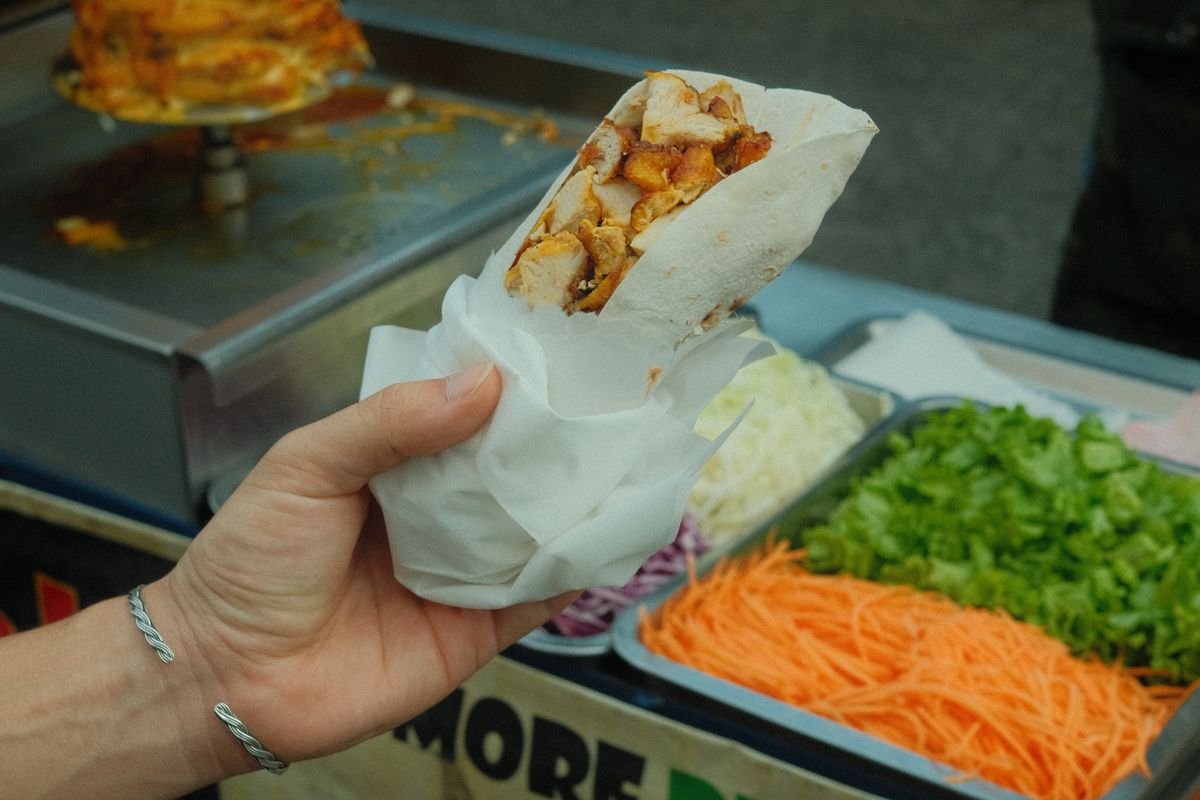
In Muslim-majority countries, food is often presumed to be halal, but it is still sensible to confirm, particularly for meat and processed products. In other countries, signs reading “halal” may mean different things, from certified meat to a general claim about the menu. Where certification matters to you, ask whether the meat comes from a halal-certified supplier and whether the kitchen avoids alcohol in cooking and keeps pork products separate. Scholars and communities differ on certain questions, such as eating food prepared by people of other faiths, or when no halal option exists, so travelers should follow the guidance they trust and consult a knowledgeable person if unsure.
Ingredients That Are Easy to Miss
- Animal fats and gelatin. Lard or gelatin can appear in pastries, desserts, sweets, and some sauces.
- Alcohol in cooking. Wine, spirits, or flavor extracts can be used in sauces, marinades, and desserts.
- Stocks and broths. Vegetarian-looking soups and rice dishes may be made with meat stock.
- Hidden allergens. Nuts, sesame, shellfish, gluten, and dairy can show up in unexpected dishes.
Asking politely and specifically helps. “Does this contain pork or alcohol?” is more useful than “Is this okay?” Showing a written note in the local language, or using a translation app, reduces misunderstandings.
Learn a Few Key Phrases and Carry a Card
A small card with a clear message in the local language is one of the best travel tools for dietary needs. It can say what you do not eat, such as pork, alcohol, or specific allergens, and ask that these not be included in your meal, including in stock or cooking. People with serious allergies should have the card list the allergen clearly and carry any emergency medication prescribed by their doctor. Ready-made translation cards exist for many common allergies and restrictions, or you can ask a fluent speaker to help write your own.
Flights and Transit
Airlines and rail operators often offer special meals, including halal, vegetarian, gluten-free, and others, but they usually need to be ordered ahead of time, sometimes 24 to 72 hours before departure. Confirm the booking when you check in, and carry some of your own snacks in case something goes wrong. Airports often have limited options, and food may run out on long journeys, so packing nuts, dried fruit, bars, and sandwiches is wise. Remember that liquid and food rules for security and customs differ by country, so check what you can bring across borders.
A Personal Approach: The Safety-Net Method
On my first trips, I spent a lot of mental energy worrying at every meal. What helped was building a safety net: a few snacks in my day bag, a list of two or three reliable options near my accommodation, and a bit of flexibility. Once I knew I would not go hungry, I could relax and enjoy trying things. A supermarket or local grocer is usually the best friend of the restricted eater, offering fruit, bread, cheese, yogurt, nuts, and simple prepared foods.
Eating Well Beyond Restaurants
- Stay somewhere with a kitchen if possible, so you can cook simple meals.
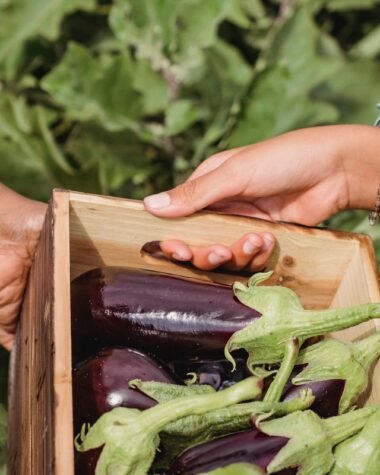
- Visit markets. Fresh produce, bread, and cheese are easy to find and often excellent.
- Choose seafood or vegetarian dishes when halal meat is unavailable and you are comfortable with that choice.
- Ask hosts and local friends. People are often delighted to point you to places they trust.
- Look at cuisines with natural overlap. Many Middle Eastern, South Asian, and Mediterranean cuisines, as well as vegetarian traditions in other parts of the world, offer plenty of suitable dishes.
Be Clear but Gracious
Restaurant staff are usually helpful when they understand your needs. Explain calmly, thank them for checking, and be understanding if they cannot guarantee that a dish meets your requirements. If a place cannot accommodate you, it is better to say thank you and leave than to take a risk. Leaving a kind review of places that did it well helps the next traveler.
A Note on Health and Safety
For people with severe allergies or medical conditions, dietary mistakes can be dangerous. Follow your doctor’s advice, carry necessary medication, know how to say the allergen and ask for help in the local language, and be cautious with unfamiliar foods. This article offers general travel advice and is not medical guidance.
FAQ
How can I find halal food in a country I have never visited?
Search maps and review sites for restaurants and grocers near your accommodation, use halal restaurant guides and traveler communities, and confirm directly with venues about their sourcing and preparation.
Can I request a halal meal on a flight?
Most airlines offer halal or similar special meals, but they usually need to be requested in advance, often 24 to 72 hours before departure. It helps to carry snacks as a backup.
How do I avoid hidden ingredients like gelatin or alcohol in food?
Ask specific questions such as whether a dish contains pork, gelatin, or alcohol, show a written note in the local language, and choose simpler dishes when ingredients are unclear.
What should I do if I cannot find any suitable food?
Fall back on your safety net: snacks, fresh fruit, bread, and simple items from a local grocery store, and choose vegetarian or seafood options if that is acceptable to you.
Conclusion
Traveling with dietary requirements takes a little more planning, but it rarely needs to limit where you can go. Researching ahead, carrying a card and some snacks, asking clear questions, and keeping a bit of flexibility turn mealtimes from a source of worry into a part of the journey you can enjoy.