
Weeknight dinner during a busy family week often comes down to two options, order something, or scramble together whatever’s fastest, neither of which feels particularly satisfying after a while. Batch cooking, preparing larger quantities of food in advance to use across multiple meals, offers a genuinely practical middle ground that more families are turning to specifically to reclaim weeknight time and reduce daily decision fatigue.
What Batch Cooking Actually Solves
The core problem batch cooking addresses isn’t cooking itself, it’s the accumulated decision-making and time pressure of cooking from scratch every single night, after a full day of other responsibilities. By concentrating the planning and most of the active cooking time into one or two sessions per week, the daily burden shrinks considerably, often down to simply reheating or lightly assembling something already largely prepared.
This matters most for families managing multiple schedules, school, work, activities, where the actual available cooking window on a typical weeknight might be genuinely quite short and unpredictable.
Choosing What to Batch Cook
- Grains and legumes — rice, quinoa, lentils, and beans all hold up well refrigerated for several days and form a flexible base for many different meals
- Roasted vegetables — a large tray roasted at once can be repurposed across grain bowls, wraps, and side dishes throughout the week
- Proteins cooked simply — shredded chicken, ground meat, or baked fish prepared without a single fixed flavor profile, allowing different seasonings to be added later for variety across meals
- Sauces and dressings — a couple of versatile sauces made in advance can transform the same base ingredients into noticeably different meals throughout the week
- Soups and stews — freeze particularly well and reheat easily, making them ideal candidates for larger batch preparation
Avoiding the “Same Meal Five Times” Problem
A common batch cooking mistake involves preparing one complete dish in bulk, then eating the exact same meal repeatedly until it runs out, which tends to produce genuine food fatigue by the third or fourth repetition. A more sustainable approach involves batch cooking flexible components separately, a protein, a grain, a vegetable, a sauce, then combining them differently throughout the week to create meals that feel genuinely distinct despite sharing common prepared elements.
I made this mistake early on, cooking one large pot of a single stew meant to last the entire week, only to find myself dreading it by day three despite genuinely liking the dish initially. Switching to a component-based approach, the same roasted chicken becoming tacos one night and a grain bowl the next, solved this completely without requiring significantly more total cooking effort.
Building a Sustainable Weekly Rhythm
Most successful batch cooking routines settle into a specific, repeatable weekly rhythm, one dedicated cooking session, often on a weekend, followed by quick assembly throughout the following days rather than genuine from-scratch cooking each night. Finding a consistent day and time that reliably fits an existing schedule matters more for long-term sustainability than any specific recipe or method chosen.
Storage Considerations That Actually Matter
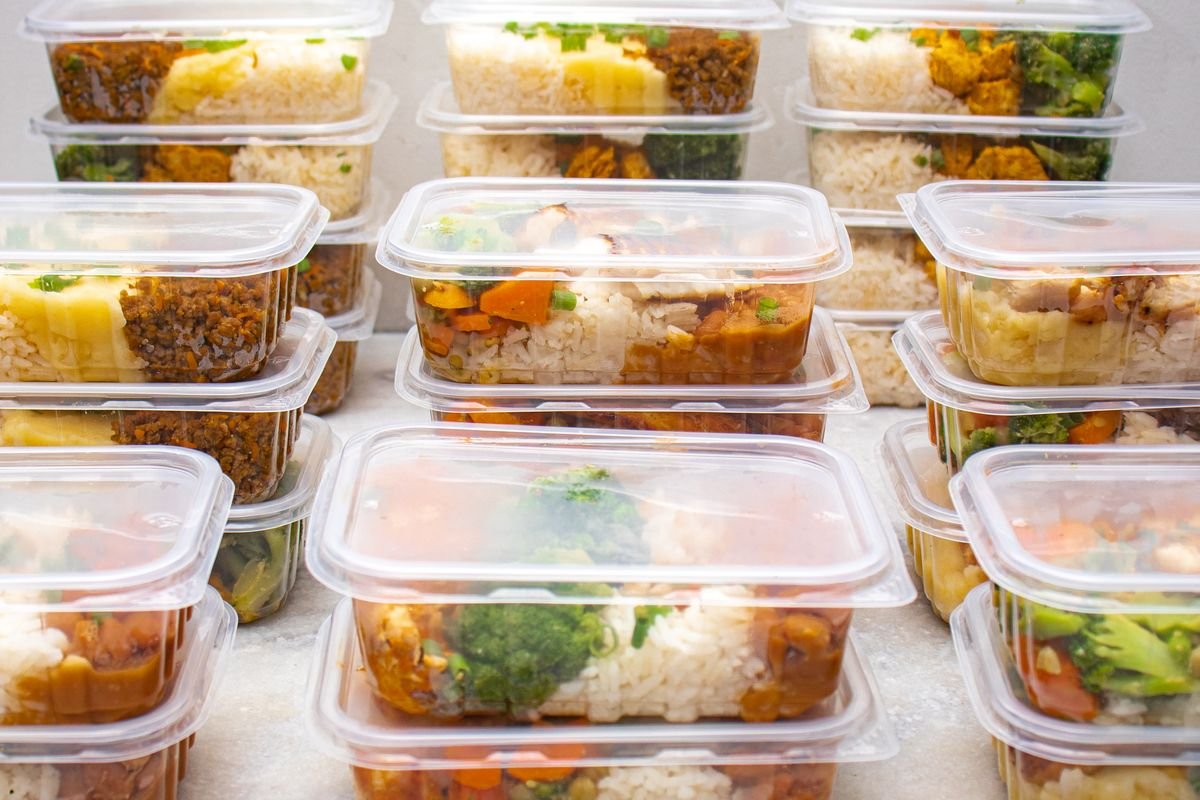
Proper storage significantly affects both food safety and how appealing batch-cooked meals remain throughout the week. Cooling food properly before refrigerating, using appropriately sized airtight containers, and being realistic about which components freeze well versus which are best consumed within a few days all matter more than most batch cooking guides initially emphasize.
Labeling containers with preparation dates, a small habit that’s easy to skip when tired after a cooking session, prevents the common problem of forgotten containers lingering in the back of a refrigerator well past when they should have been used.
Involving Family Members in the Process
Batch cooking sessions can become a shared family activity rather than a solo task, older children washing vegetables, other family members handling assembly or storage, turning what could feel like a chore into a more collaborative, even social part of the week. This also builds practical cooking skills gradually in children who participate regularly over time.
Balancing Batch Cooking With Fresh Elements
Not every component needs to be prepared in advance. Many successful batch cooking routines keep certain fresh elements, quickly sautéed greens, a fresh salad, freshly toasted bread, added at the point of actually eating a meal, which helps prevent the flatness that can result from eating entirely reheated components meal after meal throughout the week.
Getting Started Without Overcomplicating It
Families new to batch cooking often benefit from starting smaller than ambitious online guides suggest, perhaps batch cooking just two or three components initially rather than attempting to plan an entire week’s worth of meals from the very first attempt. Building the habit gradually, adjusting based on what actually gets used versus what goes forgotten in the refrigerator, tends to produce a more sustainable long-term routine than an ambitious first attempt that quickly becomes overwhelming.
FAQ
How long does batch-cooked food typically last in the refrigerator?
Most cooked proteins, grains, and vegetables keep well for three to four days refrigerated, though this varies by specific food type, so checking food safety guidelines for particular ingredients is recommended for anything stored longer.
Is batch cooking only useful for large families?
No, batch cooking benefits households of any size by reducing daily cooking time and decision fatigue, though the specific quantities prepared would naturally scale down for smaller households.
What’s the biggest mistake people make when starting batch cooking?
Preparing one complete dish in a large quantity often leads to food fatigue by eating the same meal repeatedly. Batch cooking flexible, separate components that can be combined differently tends to work better long-term.
Do I need special equipment to start batch cooking?
Not necessarily, though a good set of airtight storage containers and adequate refrigerator or freezer space make the process considerably more manageable, particularly as batch cooking routines become more established.
Conclusion
Batch cooking isn’t about eliminating cooking from a busy week entirely, it’s about concentrating the effort more strategically so weeknight meals become genuinely manageable rather than a daily source of stress. Starting small, with a couple of flexible components rather than a full week’s meal plan, tends to build a habit that actually sticks.