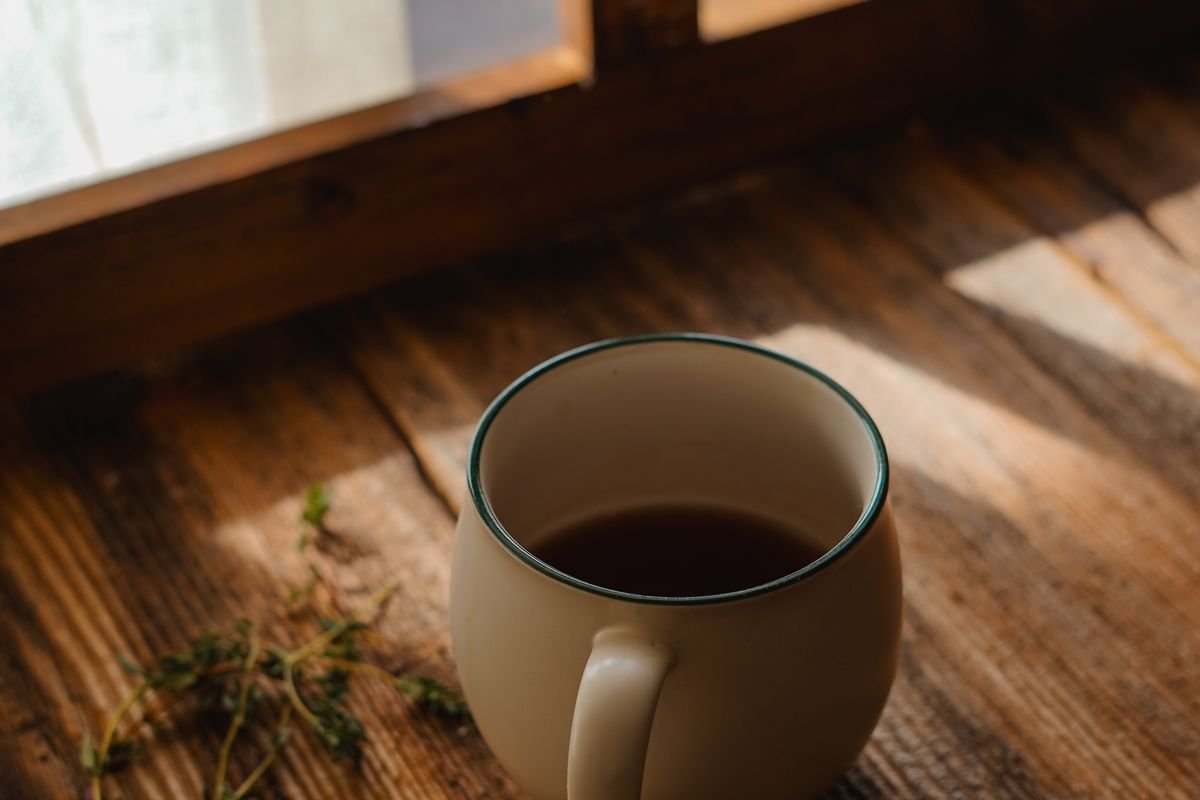

Gratitude journaling, a specific kind of prompt before bed, a dedicated notebook, an occasional exercise recommended during difficult times, has existed for a while as a recognized wellness practice. What’s changed is that gratitude has moved considerably beyond a dedicated, separate exercise into something a growing number of people integrate directly into ordinary daily routines, woven into existing habits rather than treated as an additional task to squeeze into an already full day.
What Research Says About Gratitude and Wellbeing
Studies examining regular gratitude practices have found associations with improved mood, better sleep quality, reduced symptoms of depression, and stronger social relationships. While individual effect sizes vary and not every study finds identical results, the overall pattern across a considerable body of research suggests gratitude practices offer genuine, if modest, wellbeing benefits, particularly when practiced consistently over time rather than sporadically.
How Gratitude Moved Beyond the Traditional Journal
- Mealtime gratitude — brief, shared acknowledgment of something specific before or during a meal, integrating gratitude into an existing daily ritual
- Family dinner or bedtime sharing — households asking each member to name one specific thing they appreciated that day, building the practice into existing family routines
- Morning intention-setting — brief reflection on something appreciated at the start of the day, paired with an existing morning habit like coffee or a walk
- Gratitude messages to others — actively expressing appreciation directly to specific people, a text, a brief note, a spoken thank-you, rather than only privately reflecting on gratitude
A Personal Account of Integrating This Into Daily Life
I tried a dedicated gratitude journal several times over the years, each attempt fading within a couple of weeks once the novelty wore off and the separate task became one more thing competing for evening time. What finally worked was folding it into an existing habit instead, briefly naming one specific thing I appreciated during my morning coffee, no notebook, no separate time slot. The practice stuck precisely because it required no additional time or setup beyond something I was already doing daily.
Why Specificity Matters More Than Frequency Alone
Research and practitioner experience both suggest that specific, concrete gratitude, noting a particular gesture from a specific person, or a specific moment of the day, tends to have a stronger effect than generic, repeated statements like general gratitude for family or health. Specific detail appears to engage genuine reflection rather than becoming a rote, automatic exercise that loses meaning through repetition.
The Risk of Gratitude Becoming Performative or Forced
Gratitude practices can occasionally backfire when treated as an obligation to feel a specific way, or when used to dismiss genuine difficulty, being told to simply “be grateful” in the face of a real hardship can feel invalidating rather than helpful. Healthy gratitude practice coexists with acknowledging genuine difficulty rather than replacing or suppressing it, recognizing something appreciated doesn’t require pretending difficult circumstances don’t exist.
Expressing Gratitude Directly to Others
Some of the most consistently supported findings involve directly expressing gratitude to another person, rather than only reflecting privately. A specific, sincere thank-you appears to benefit both the person expressing it and the person receiving it, strengthening the relationship in a way that purely private reflection doesn’t quite accomplish on its own.
Gratitude in Family and Workplace Contexts
Families increasingly build gratitude into shared routines, giving children a specific, recurring practice for noticing and articulating what they appreciate. Workplaces have similarly experimented with gratitude practices, structured peer recognition, for instance, though these work best when they feel genuine rather than mandated, since forced gratitude exercises can generate cynicism rather than the intended positive effect.
Combining Gratitude With Other Established Routines
Pairing gratitude with existing, stable habits, morning coffee, a daily commute, a bedtime routine, tends to sustain the practice considerably better than creating a standalone gratitude ritual requiring dedicated time and separate motivation to maintain independently over an extended period.
What This Reveals About Sustainable Habit Formation
Gratitude’s evolution from dedicated exercise into integrated daily habit illustrates a broader principle in habit formation research, new habits tend to stick considerably better when attached to existing routines rather than added as entirely separate commitments requiring additional time and deliberate effort to remember and maintain.
FAQ
Does a gratitude practice actually improve mental wellbeing?
Research suggests regular gratitude practices are associated with improved mood, sleep quality, and stronger relationships, though effect sizes vary and results are strongest when the practice is consistent and specific rather than generic or sporadic.
Do I need a dedicated journal to practice gratitude?
No, many people find integrating brief gratitude reflection into existing daily habits, like morning coffee or a family meal, more sustainable than maintaining a separate, dedicated journal requiring its own time slot.
Can gratitude practices ever be harmful?
They can feel invalidating when used to dismiss genuine hardship or treated as an obligation to feel a specific way, so healthy gratitude practice acknowledges difficulty rather than replacing or suppressing it.
Is it better to express gratitude privately or directly to others?
Research suggests directly expressing sincere, specific gratitude to another person benefits both parties and strengthens the relationship in a way private reflection alone doesn’t fully replicate.
Conclusion
Gratitude works best when it stops being a separate task and becomes simply part of how a day already runs. For people who’ve struggled to sustain a dedicated gratitude journal, folding a brief, specific acknowledgment into an existing habit tends to succeed precisely because it asks for so little additional effort.
This article discusses general wellness practices and isn’t a substitute for professional support. If you’re navigating significant mental health challenges, consider speaking with a licensed professional.