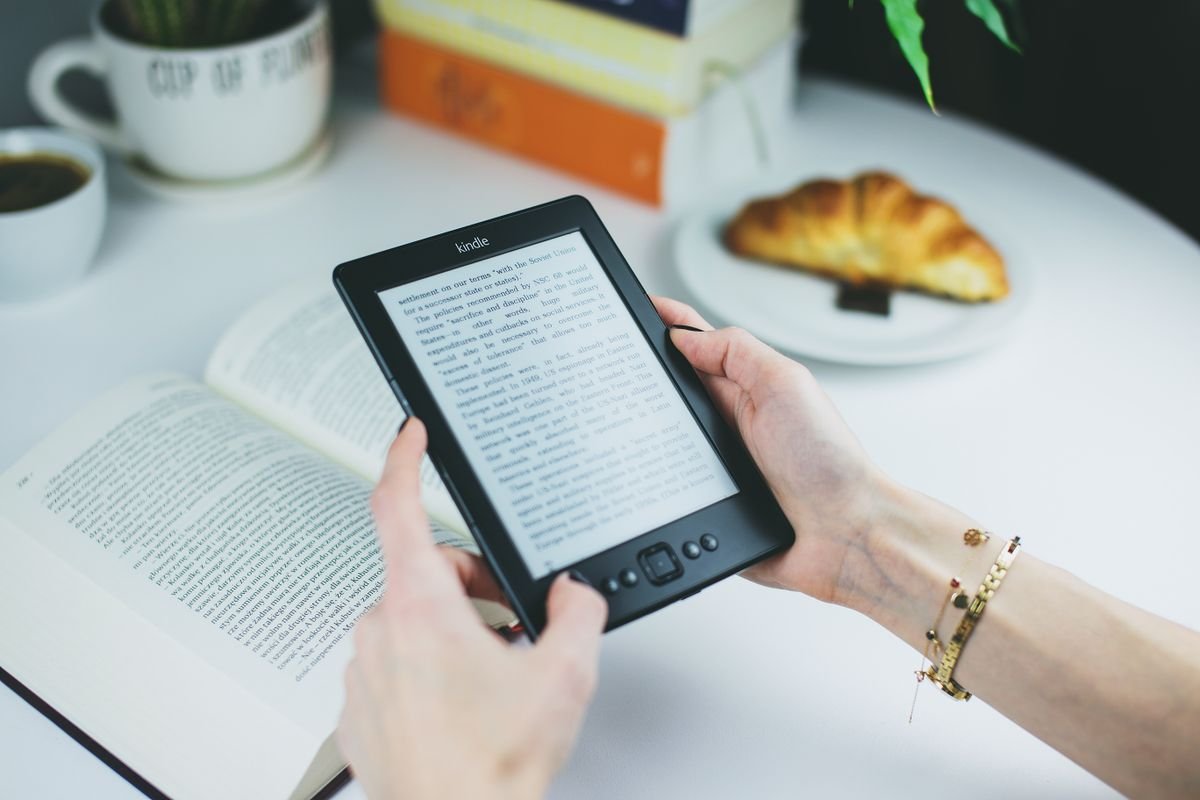

For a while, the narrative around e-readers seemed fairly settled, physical book sales would keep declining as digital reading gradually became the default, following the same trajectory as music and film before it. That prediction didn’t quite play out. Physical book sales have remained remarkably resilient, and yet e-readers themselves have quietly continued gaining a genuinely dedicated, growing user base, rather than fading into a niche, outdated category as some predicted.
Why E-Readers Didn’t Simply Replace Physical Books
The initial assumption treated reading formats as a simple, direct competition, whichever format won would displace the other almost entirely. In practice, many readers use both formats for different purposes, physical books for certain genres or reading contexts, e-readers for others, rather than choosing one format exclusively and abandoning the alternative entirely.
This coexistence reflects genuinely different use cases each format serves particularly well, rather than one format being objectively superior across every possible reading situation a person might encounter.
What’s Actually Driving Renewed E-Reader Interest
- Improved display technology — modern e-ink screens read considerably more comfortably than early versions, closer to genuine paper in appearance and reduced eye strain during extended reading
- Massive storage capacity — carrying an entire personal library in a single lightweight device appeals particularly to frequent travelers and heavy readers with limited physical shelf space
- Library integration — improved library lending integration directly through e-readers has made borrowing digital books considerably more convenient than it was in earlier years
- Adjustable text features — customizable font size and spacing genuinely helps readers with certain visual impairments access books more comfortably than a fixed-print physical copy allows
- Built-in dictionary and reference tools — instant word lookup without needing to leave the reading experience appeals particularly to readers of complex or unfamiliar vocabulary, including language learners
A Personal Account of Returning to E-Readers
I’d initially abandoned an e-reader years ago, finding the early screen technology genuinely uncomfortable for extended reading sessions. Trying a considerably newer model recently, prompted mostly by an upcoming trip requiring lighter luggage, revealed just how much the actual reading experience had improved, less glare, more natural-feeling page transitions, a genuinely comfortable reading experience I hadn’t expected given my previous experience with the technology years earlier.
Where Physical Books Still Clearly Win
Certain reading experiences remain genuinely better suited to physical books, illustrated books, graphic novels, and complex reference material with extensive cross-referencing all translate less effectively to a typical e-reader’s smaller, simpler display. Many readers also describe a specific sensory and memory-related preference for physical books, the tactile experience, visible reading progress, and specific memories tied to a physical book’s condition or where it was purchased, elements a digital file simply can’t replicate.
Book collecting and gifting also remain strongly tied to physical copies for most people, a digital file doesn’t carry the same meaning as a signed physical copy or a thoughtfully selected gift with genuine physical presence on a shelf.
The Generational Dimension of This Shift
Interestingly, e-reader adoption doesn’t cleanly follow the generational pattern many might expect. While younger readers grew up with digital technology generally, physical book sales among younger readers, driven partly by social media book culture, have remained genuinely strong, suggesting comfort with digital technology doesn’t automatically translate into a strict preference for digital reading formats specifically.
Older readers, meanwhile, have shown genuine, growing e-reader adoption, often citing adjustable text size and the convenience of a single lightweight device for physical comfort reasons rather than any particular technological enthusiasm.
How Publishers and Libraries Have Adapted
Publishers have increasingly embraced simultaneous physical and digital releases, rather than treating digital as a secondary, delayed format. Libraries have similarly invested substantially in digital lending infrastructure, recognizing e-reader-compatible lending as a core service expectation rather than a supplementary offering, a shift that’s made borrowing digital books considerably more mainstream and accessible than it was even several years ago.
Cost Considerations Worth Understanding
While an e-reader itself represents a genuine upfront cost, heavy readers often find the format economically advantageous over time, particularly through library lending, which eliminates per-book cost entirely, or through frequently discounted digital editions compared to physical retail prices. For occasional readers, the upfront device cost may not be recovered as quickly, making the calculation considerably more dependent on actual reading volume and habits.
Why This Isn’t Really a Story About One Format Winning
The more accurate framing treats e-readers and physical books as complementary formats serving different reading contexts, rather than direct competitors where one must eventually displace the other entirely. A reader might choose a physical book for a favorite novel they want to revisit and lend to friends, while relying on an e-reader for travel, work-related reading, or simply managing a larger reading volume than physical shelf space could reasonably accommodate.
FAQ
Are e-readers actually gaining popularity again, or is this a misconception?
E-reader adoption has genuinely grown in recent years, driven by improved display technology and better library integration, even as physical book sales have simultaneously remained strong, suggesting both formats are growing among different reader segments and use cases.
Do e-readers strain the eyes less than reading on a phone or tablet?
Yes, generally. E-ink displays used in dedicated e-readers reflect light similarly to paper rather than emitting backlit light the way phone and tablet screens do, which many readers find considerably more comfortable for extended reading sessions.
Why do younger readers still buy a lot of physical books despite growing up digitally?
Social media book culture and a genuine preference for physical books as collectible, shareable objects have kept physical book sales strong among younger readers, showing that digital fluency doesn’t automatically translate into a preference for digital reading formats.
Is it cheaper to read on an e-reader than to buy physical books?
This depends significantly on reading volume. Heavy readers often save money over time through library lending and discounted digital editions, while occasional readers may not recoup the initial device cost as quickly.
Conclusion
E-readers didn’t end up replacing physical books the way early predictions suggested, and that’s turned out to be a genuinely more interesting outcome than a simple format war. Both formats have found their own durable place, serving different reading needs, which suggests the actual question was never really which format would win, but which format fits a particular reader, a particular book, and a particular moment.


