
Phone battery advice is full of confident rules that contradict each other. Drain it to zero before charging. Never charge overnight. Fast charging ruins it. Wireless charging is worse. Some of these rules came from older battery technology, and some are simply myths that spread because they sound plausible. The truth is simpler and more forgiving than most people expect, and a few small habits make the biggest difference to how long your battery stays healthy.
How a Phone Battery Actually Ages
Almost all modern phones use lithium-ion batteries. Inside, lithium ions move back and forth between two electrodes as the battery charges and discharges. Each time this happens, tiny, irreversible changes occur in the materials, and the battery slowly loses its ability to hold as much charge as it did when new. This gradual loss is called battery wear, and it is normal and unavoidable. What you can influence is how quickly it happens.
Two main factors speed up wear: heat and stress from sitting at very high or very low charge levels for long periods. Charge cycles also matter. One full cycle is the equivalent of using 100 percent of the battery’s capacity, though not necessarily in one go. Using 50 percent in the morning and another 50 percent in the afternoon counts as one cycle.
Heat Is the Biggest Enemy
If there is one thing to remember, it is this: keep the phone cool. High temperatures accelerate the chemical processes that damage a battery. Leaving a phone on a car dashboard in summer, using it in direct sun for hours, or running demanding games while it charges can all push it into territory that shortens its lifespan.
- Do not leave the phone in a hot car or in direct sunlight for long periods.
- Take off a thick case if the phone gets warm while charging or gaming.
- Avoid heavy use while charging, such as long gaming sessions or video calls on a cable.
- Be careful in extreme cold too. Cold temporarily reduces available capacity, and charging a very cold battery can be harmful, so let the phone warm up first.
The Myths That Refuse to Die
- “Drain it completely before charging.” This was advice for older nickel-based batteries. For lithium-ion, deep discharges add stress. Partial charges are fine and often better.
- “Never charge overnight.” Modern phones stop drawing significant power once full, and many include features that slow charging near 100 percent and finish just before you wake up. Overnight charging is generally fine, especially with those features switched on.
- “Charging to 100 percent every day ruins the battery.” It adds some stress compared with staying in the middle, but it is not catastrophic. It simply ages the battery a bit faster over time.
- “Fast charging always damages the battery.” Fast charging creates more heat, which is not ideal, but modern phones manage speed and temperature carefully. Using it when you need it is fine. Slower charging is gentler when you are not in a hurry.
- “Closing apps saves battery.” Constantly force-closing apps usually does not help and can even use more power when they reload.
The Healthy Middle: 20 to 80 Percent
Lithium-ion batteries experience the least stress when they stay between roughly 20 and 80 percent charge. You do not need to follow this rigidly, and no one should live their life obsessing over it, but when it is convenient, topping up during the day and avoiding long periods at 0 or 100 percent can slow wear. Many phones now offer a setting that limits charging to 80 percent or learns your routine, which does this automatically.
I used to charge my phone to the brim every night out of habit. When I switched on the optimized charging feature on my phone, I noticed no difference in daily use, but my battery health reading dropped more slowly over the following year.
Checking Your Battery Health
Most phones show battery health or capacity in their settings. A reading of 100 percent means the battery holds as much as when new, and the number declines over time. Manufacturers usually design batteries to retain a large share of capacity, often around 80 percent, after several hundred to around a thousand full cycles, depending on the model. Capacity of 80 percent or higher is generally considered healthy.
A battery that has aged shows a few signs: the phone does not last through the day as it used to, it shuts down unexpectedly at what seems like a decent charge level, or it runs noticeably slower. At that point, a battery replacement from the manufacturer or a reputable repair shop can restore the phone’s performance far more cheaply than buying a new device.
Chargers, Cables, and Wireless Charging
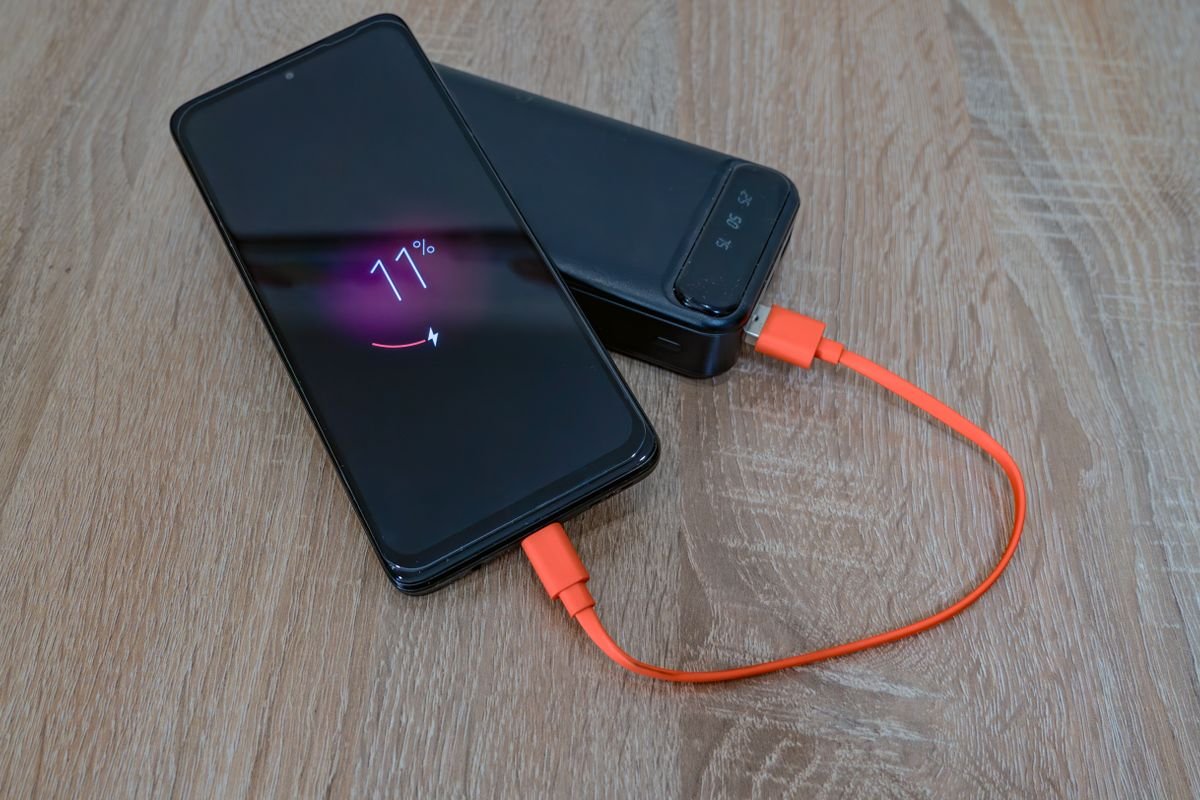
Use a good-quality charger and cable from the manufacturer or a reputable, certified brand. Cheap, uncertified chargers can deliver unstable power and, in rare cases, pose safety risks. Wireless charging is convenient, but it is less efficient than cable charging and generates more heat, so it is best for casual top-ups instead of when the phone is already warm. It is also wise not to charge under a pillow or on a bed, where heat cannot escape.
Everyday Habits That Help
- Switch on the optimized or adaptive charging feature if your phone has one.
- Reduce screen brightness and use low-power mode when you need to stretch the charge, without worrying about it all the time.
- Keep software updated, since updates often improve battery management.
- Avoid leaving the phone plugged in at 100 percent for days at a time if you can help it.
- Let a very hot phone cool down before charging.
FAQ
Is it bad to charge my phone overnight?
Generally not. Modern phones regulate charging, and many have features that slow down near full charge. Keeping the phone cool and using optimized charging helps minimize wear.
Should I let my battery drain to zero before charging?
No. Lithium-ion batteries are more stressed by deep discharges, so partial charges are better than letting the battery run completely flat.
Does fast charging damage the battery?
It produces more heat, which can speed up wear slightly, but modern phones manage this well. Use fast charging when you need it and slower charging when you have time.
When should I replace my phone battery?
When battery health drops significantly, such as below about 80 percent, or when the phone shuts down unexpectedly or no longer lasts through the day, a replacement can restore performance.
Conclusion
Battery care does not need to be complicated. Keep the phone cool, avoid extremes of charge when it is easy to do so, use a decent charger, and do not believe every rule you hear. A little attention to heat and charging habits can add months or even years to the battery’s useful life.