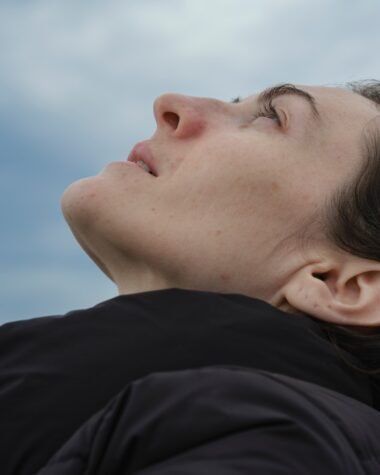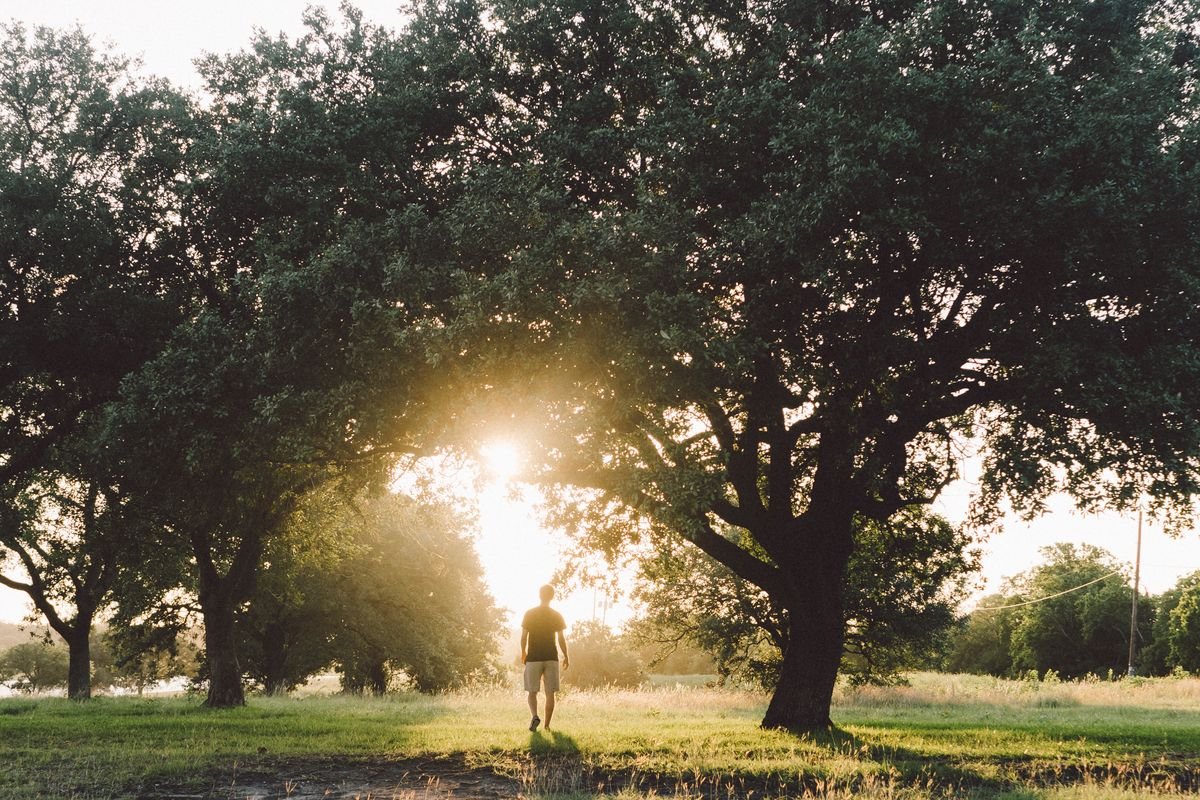

A short walk outside within the first hour of waking sounds almost too simple to matter much for sleep or mood. Yet morning sunlight exposure has become one of the more consistently recommended habits across sleep science and mental health research, a genuinely low-effort intervention with effects that reach considerably further than the ten or fifteen minutes it actually takes.
Why Morning Light Specifically Matters
The body’s internal clock, the circadian rhythm governing sleep, alertness, and a range of other physiological processes, relies heavily on light exposure timing as its primary external cue. Morning sunlight specifically helps anchor this rhythm, signaling clearly to the body that the day has begun, which in turn helps regulate when the body naturally starts producing sleep-promoting melatonin later that evening.
What Happens Without Adequate Morning Light
- Delayed circadian rhythm — insufficient morning light exposure can gradually shift the body’s internal clock later, making both falling asleep and waking up at desired times more difficult
- Reduced daytime alertness — morning light exposure appears to support more robust daytime energy and alertness compared to spending mornings primarily indoors under artificial lighting
- Mood regulation effects — several studies have found associations between consistent morning light exposure and improved mood, with effects sometimes compared to a mild antidepressant-like benefit in certain populations
- Weakened light-dark contrast — modern indoor environments often provide considerably less morning light intensity than being outdoors, weakening the light signal the circadian system relies on for accurate timing
A Personal Account of Building This Habit
I started stepping outside for roughly fifteen minutes shortly after waking, initially skeptical it would produce any noticeable effect beyond simply getting some fresh air. Within a couple of weeks, falling asleep at a consistent time each night became noticeably easier, without any other change to my evening routine. The specific mechanism, anchoring my circadian rhythm through consistent morning light, matched what the research suggested, even though I’d started the habit somewhat doubtfully.
How Much Light Exposure Actually Helps
Outdoor light, even on an overcast day, provides considerably more intensity than typical indoor lighting, meaning even a cloudy morning walk offers meaningfully more light exposure than remaining indoors under standard artificial lighting. Most research suggests somewhere between ten and thirty minutes of morning outdoor light exposure provides a meaningful circadian benefit, though exact timing needs can vary by individual and by how much natural light exposure someone’s had recently.
Why Timing Matters More Than Duration Alone
Getting this light exposure specifically within the first hour or two after waking appears more effective than equivalent light exposure later in the day, since the circadian system responds particularly strongly to light signals during this specific window. Bright light exposure later in the evening, by contrast, can actually work against healthy sleep timing, delaying rather than supporting a consistent sleep schedule.
What About People With Limited Morning Outdoor Access
For people with schedules or circumstances genuinely limiting morning outdoor access, work schedules, climate, physical limitations, light therapy lamps designed to mimic natural outdoor light intensity offer an alternative, though most sleep researchers still generally recommend genuine outdoor exposure when feasible, given the additional benefits of fresh air and gentle movement that typically accompany an actual outdoor walk.
The Connection to Broader Mood Regulation
Beyond sleep specifically, morning light exposure has been studied for its broader mood-regulating effects, particularly relevant for seasonal mood changes that some people experience during darker winter months when natural morning light is both later arriving and less intense. This connection has made morning light exposure a commonly recommended component of broader strategies for managing seasonal mood changes, alongside other established approaches.
Building This Into an Existing Morning Routine
Rather than treating morning light exposure as an entirely separate task requiring dedicated time, many people successfully integrate it into an existing routine, a morning coffee taken outside rather than at an indoor table, a short walk that replaces or precedes a commute, stepping outside briefly while children get ready for school. This integration tends to make the habit considerably more sustainable than treating it as an additional item competing for already limited morning time.
What This Reveals About Simple, Overlooked Health Habits
Morning sunlight exposure represents a broader pattern in health and wellness research, some of the most consistently supported interventions are also among the simplest and least expensive, requiring no special equipment or significant time investment, yet frequently overlooked in favor of more complex or heavily marketed wellness solutions.
FAQ
How soon after waking should I get morning sunlight for the best effect?
Most research suggests within the first hour or two after waking provides the strongest circadian benefit, since the body’s internal clock responds particularly well to light signals during this specific window.
Does morning light exposure work even on a cloudy day?
Yes, outdoor light, even under overcast conditions, still provides considerably more intensity than typical indoor lighting, offering a meaningful circadian benefit compared to remaining indoors entirely.
Can a light therapy lamp replace actual outdoor morning light?
It can serve as an alternative for people with genuinely limited outdoor access, though most researchers still recommend actual outdoor exposure when feasible, given the additional benefits of fresh air and movement that typically accompany it.
How long does it take to notice a difference from this habit?
Many people report noticing improved sleep consistency within a couple of weeks of regular morning light exposure, though individual responses vary based on prior sleep patterns and consistency of the habit.
Conclusion
Morning sunlight exposure remains one of the simplest, most accessible habits with genuine, well-supported effects on both sleep and mood. For anyone looking for a low-effort starting point to improve either, stepping outside shortly after waking is about as straightforward an intervention as wellness advice gets.
This article discusses general wellness patterns and isn’t a substitute for professional guidance. If you’re experiencing persistent sleep difficulties or significant mood changes, consider speaking with a healthcare provider.