
A doorbell used to do exactly one thing: ring. Now it records video, sends push notifications, recognizes familiar faces, and lets you talk to whoever’s standing on your porch from a beach three states away. Home security quietly stopped being about deterrence alone and started being about constant, granular awareness instead.
This shift brings real benefits, but it also raises questions that a simple mechanical lock and a loud doorbell never had to answer.
From Deterrence to Documentation
Traditional home security operated almost entirely on deterrence: visible locks, an alarm sign in the yard, maybe a dog. Smart security shifts the emphasis toward documentation and real-time awareness, video evidence, instant alerts, remote monitoring, regardless of whether an actual break-in attempt occurs.
This matters for insurance claims, package theft disputes, and simply knowing who rang the doorbell at 2am, categories of information that traditional security systems never captured at all.
What Smart Doorbells Actually Changed
- Package theft awareness — video evidence has made porch piracy far more visible and, in some cases, prosecutable, than it used to be
- Remote answering — talking to a delivery driver or visitor from anywhere with an internet connection, not just from inside the house
- Motion-triggered recording — capturing activity even when nobody actively rings the bell, extending awareness beyond the moment of a knock
- Neighborhood sharing features — some platforms allow footage sharing across a neighborhood network, extending awareness beyond a single property
That last point deserves more scrutiny than it usually gets. Neighborhood sharing features have raised genuine concerns among privacy researchers about informal surveillance networks forming without much oversight or clear rules about footage retention and law enforcement access.
Smart Locks: Convenience With New Failure Modes
Keyless entry through smart locks offers genuine convenience, remote guest access, temporary codes for house sitters, no more worrying about a lost physical key. But it introduces failure modes a traditional lock never had: dead batteries, software glitches, and dependency on an internet connection or app functioning correctly at exactly the moment you need to get inside.
A friend got locked out during a smart lock’s firmware update that happened to occur right as she arrived home, an inconvenience a traditional deadbolt simply doesn’t create. Most manufacturers now include physical key backups precisely because of failures like this, a quiet admission that the technology isn’t yet fully reliable on its own.
The Data Question Nobody Asks Until Later
Every smart lock and doorbell interaction generates data: who came and went, at what time, how often. This data typically lives on a company’s servers rather than staying purely local to your home, meaning your daily movement patterns become, at least theoretically, accessible to that company and subject to whatever privacy policy they’ve published.
This isn’t necessarily sinister, most companies have legitimate business reasons for this data architecture, but it does represent a meaningful shift from a mechanical lock that generates zero data at all about who’s coming and going from your own home.
Law Enforcement Access Is More Common Than People Assume
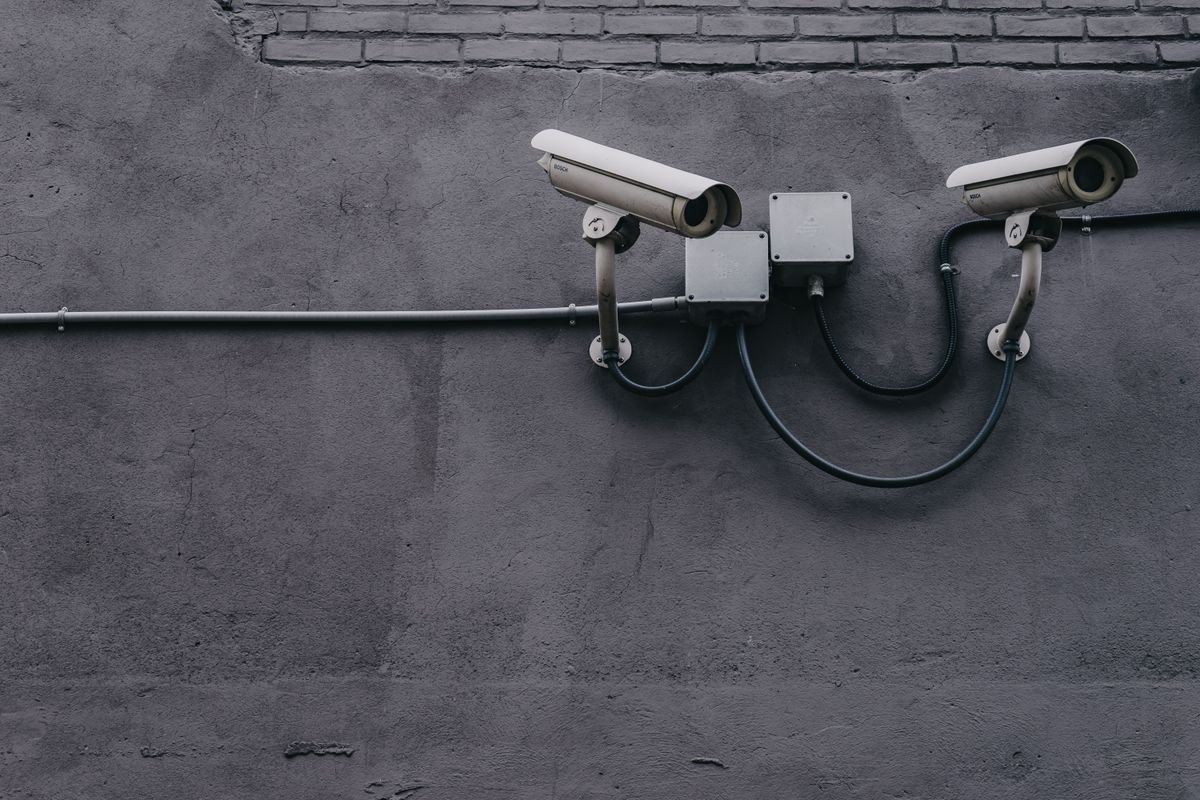
Several major smart doorbell companies have established formal or informal partnerships allowing law enforcement to request footage directly from users, sometimes through built-in app features that streamline the process. Users generally retain the choice to share or decline, but the sheer scale of these partnerships across many cities represents a significant, relatively new surveillance infrastructure.
This has generated real debate among privacy advocates, who point out that this creates a distributed camera network without the oversight structures typically applied to public surveillance systems.
Facial Recognition Features Raise Their Own Questions
Many modern smart doorbells offer facial recognition, distinguishing between recognized household members, frequent visitors, and unknown individuals. While convenient, this technology has documented accuracy disparities across different demographic groups in various studies, raising fairness concerns beyond the general privacy questions already at play.
Understanding whether and how a specific device stores facial data, and for how long, is worth actually reading about before enabling this feature by default, rather than assuming it works flawlessly and neutrally out of the box.
Practical Considerations Before Installing
Battery-powered versus hardwired options affect both reliability and maintenance burden significantly. Hardwired doorbells generally offer more consistent power and recording uptime, while battery models offer easier installation without any electrical work, at the cost of periodic recharging or battery replacement.
Storage options matter too, cloud storage typically requires an ongoing subscription for extended footage history, while local storage options, less common but increasingly available, avoid ongoing fees at the cost of losing footage if the physical device itself is damaged, stolen, or removed.
Finding a Reasonable Middle Ground
None of this means smart security technology should be avoided entirely, the genuine safety and convenience benefits are real for a lot of households. It does mean approaching adoption with specific questions in mind: what data gets collected, where it’s stored, who can access it, and what happens if the internet connection or company itself eventually fails.
FAQ
Are smart doorbells actually effective at preventing crime?
Evidence is mixed. Visible cameras can deter some opportunistic crime, but determined offenders are sometimes simply undeterred or wear disguises. The clearest, most consistent benefit is documentation and evidence after an incident rather than guaranteed prevention beforehand.
Can police access my smart doorbell footage without my permission?
Generally, most platforms require user consent before sharing footage with law enforcement, though policies vary by company and jurisdiction, and some partnerships have streamlined request processes that make sharing easier for both parties.
What happens to a smart lock if the power or internet goes out?
Most smart locks include battery backup and often a physical key override specifically for this scenario, though the exact functionality during an outage varies by manufacturer and model.
Is cloud storage necessary for smart doorbell footage?
Not always, though it’s the more common option and usually requires a subscription for extended footage history. Some devices offer local storage alternatives, avoiding ongoing fees but with different tradeoffs around footage security if the device itself is compromised.
Conclusion
Smart locks and doorbells genuinely deliver on convenience and awareness in ways a mechanical lock never could. The tradeoff is a new set of questions about data, reliability, and who else might be watching alongside you. Worth answering those questions before installation, rather than discovering the answers later, after the device is already bolted to your front door.