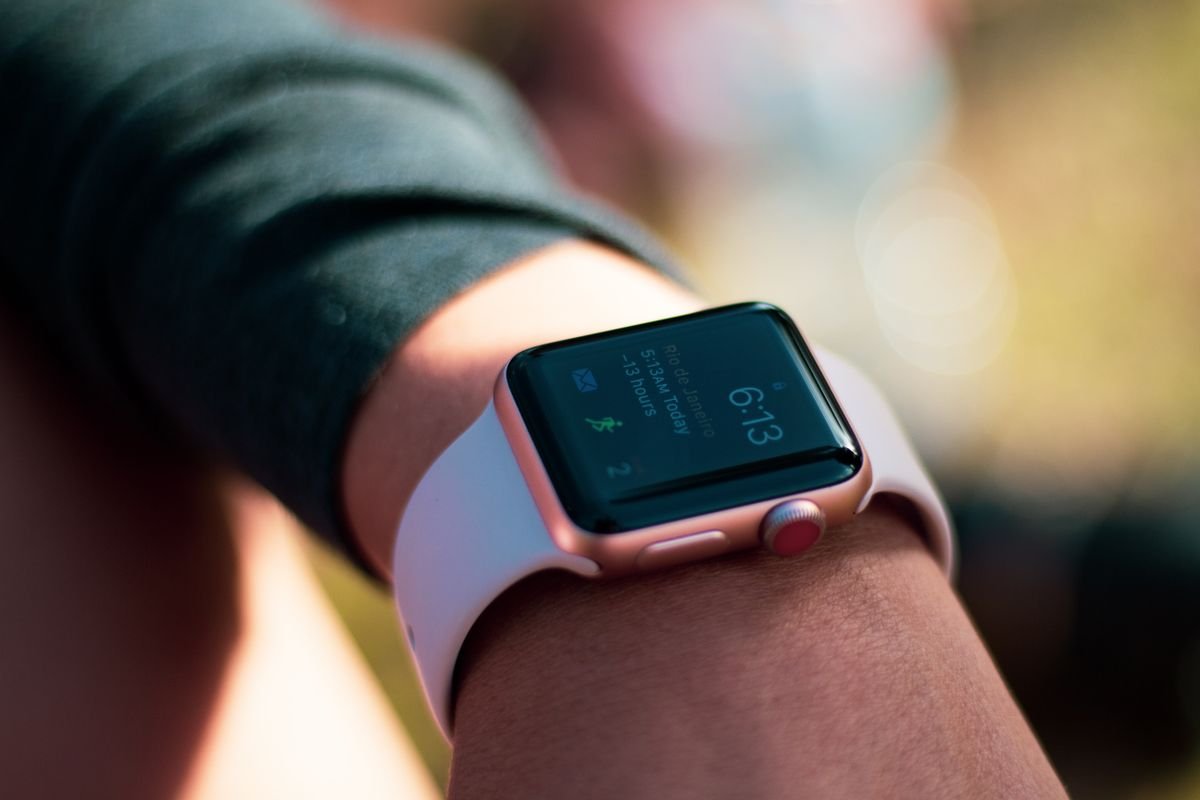

A wristband used to just tell time. Now it tracks heart rate variability, sleep stages, blood oxygen, stress levels, and menstrual cycles, often all before breakfast. Wearable health trackers have moved from a niche fitness accessory into something considerably closer to a daily behavioral mirror, quietly reshaping habits well beyond the gym.
From Step Counting to Full Physiological Monitoring
Early fitness trackers did one thing, count steps, and did it reasonably well. Current devices monitor a genuinely wide range of physiological signals continuously throughout the day and night, sleep architecture, resting heart rate trends, skin temperature variations, and recovery scores that attempt to synthesize all of this into a single, actionable daily readiness number.
This expansion matters because it shifted the core value proposition, from motivating more activity toward something closer to ongoing self-monitoring, treating the body as a system generating continuous data worth actually paying attention to, rather than simply counting a single activity metric periodically.
How This Changes Daily Decision-Making
- Sleep-driven schedule adjustments — many users report actually changing bedtime or morning plans based specifically on a device’s sleep quality data from the previous night
- Recovery-based exercise decisions — rather than following a fixed workout schedule, some users adjust exercise intensity based on a device’s daily recovery or readiness score
- Stress awareness in real time — heart rate variability tracking has introduced some users to noticing stress responses they weren’t previously consciously aware of throughout an ordinary day
- Menstrual cycle integration — cycle tracking built directly into mainstream wearables has normalized syncing broader health and activity planning around cycle phase for many users
This represents a genuine shift in how some people relate to their own bodies day to day, moving from purely subjective assessment, “I feel tired” or “I feel fine”, toward incorporating an external data point into that same daily assessment.
A Personal Account of How This Changed My Mornings
I started genuinely adjusting my mornings based on sleep tracking data after noticing a consistent pattern, nights with poor tracked sleep quality reliably correlated with mornings where I felt noticeably less capable of focused work regardless of how the morning initially felt subjectively. Building in a slightly later start on those specific mornings, rather than pushing through on a fixed schedule regardless, made a measurable difference in how the rest of those days actually went.
The Genuine Concerns Around Over-Reliance on Data
Health professionals have raised legitimate concerns about wearable data potentially overriding a person’s own subjective sense of their body, sometimes termed “orthosomnia” specifically regarding sleep tracking, anxiety about sleep quality driven by tracking data itself rather than genuine sleep problems, occasionally making sleep worse rather than better through the anxiety the tracking itself introduces.
This concern extends beyond sleep specifically, treating a device’s recovery score as more authoritative than how a person actually feels can create a strange inversion, where subjective bodily awareness gets subordinated to an algorithm’s interpretation of physiological signals that the algorithm itself doesn’t fully understand in every individual context.
Accuracy Limitations Worth Understanding
Consumer wearables, while considerably improved over early devices, still carry meaningful accuracy limitations compared to clinical-grade medical monitoring equipment, particularly for metrics like sleep staging and blood oxygen levels, which involve more complex physiological signals than simple heart rate or step counting. Treating wearable data as directionally useful, showing trends and patterns over time, rather than as precise medical measurement tends to be a more appropriate way to actually use this information.
How Workplaces Have Started Engaging With Wearable Data
Some employers, particularly in physically demanding industries, have introduced wearable programs specifically for fatigue and safety monitoring, while corporate wellness programs increasingly incorporate wearable data into incentive structures, sometimes tying insurance premiums or wellness rewards directly to tracked activity or sleep metrics. This introduces genuine questions about data privacy and whether workplace incentives around personal health data create appropriate versus inappropriate pressure on employees.
The Social Dimension of Shared Wearable Data
Many wearable platforms include social features, activity leaderboards, shared workout achievements, competitive step challenges among friends or family, adding a social accountability layer that some users find genuinely motivating and others find creates unwanted comparison pressure around what was previously private, individual health information.
What This Means Going Forward
As wearable technology continues expanding into more sophisticated physiological monitoring, the central tension remains fairly consistent, genuine, useful self-awareness on one hand, and a risk of over-indexing on device data at the expense of subjective bodily awareness on the other. Users who report the most sustainable, positive relationships with this technology generally describe using it as one input among several, rather than as the definitive, final word on how they should actually feel or what they should actually do on a given day.
FAQ
Are wearable health trackers accurate enough to rely on for medical decisions?
Consumer wearables are generally useful for tracking trends and patterns over time, but they carry meaningful accuracy limitations compared to clinical medical equipment, so significant health concerns should still be evaluated by a healthcare provider rather than device data alone.
Can wearable sleep tracking actually make sleep worse?
For some users, yes. A phenomenon sometimes called orthosomnia describes anxiety about sleep quality driven specifically by tracking data, which can paradoxically worsen sleep for people who become overly focused on their device’s sleep scores.
Why do some employers use wearable devices for employees?
Some industries use wearables for fatigue and safety monitoring, while corporate wellness programs may incorporate wearable data into incentive structures, raising legitimate questions about data privacy and appropriate use of personal health information in workplace contexts.
Should I change my daily schedule based on wearable recovery scores?
Many users find recovery or readiness scores helpful as one input for daily planning, though health professionals generally recommend treating this data as directionally useful rather than as a definitive, precise measurement overriding personal, subjective awareness.
Conclusion
Wearable health trackers have genuinely changed how a lot of people move through an ordinary day, adjusting sleep, exercise, and stress management based on data that simply didn’t exist as a daily reference point a decade ago. The technology works best as an additional data point informing decisions, not as a replacement for actually paying attention to how your own body genuinely feels.