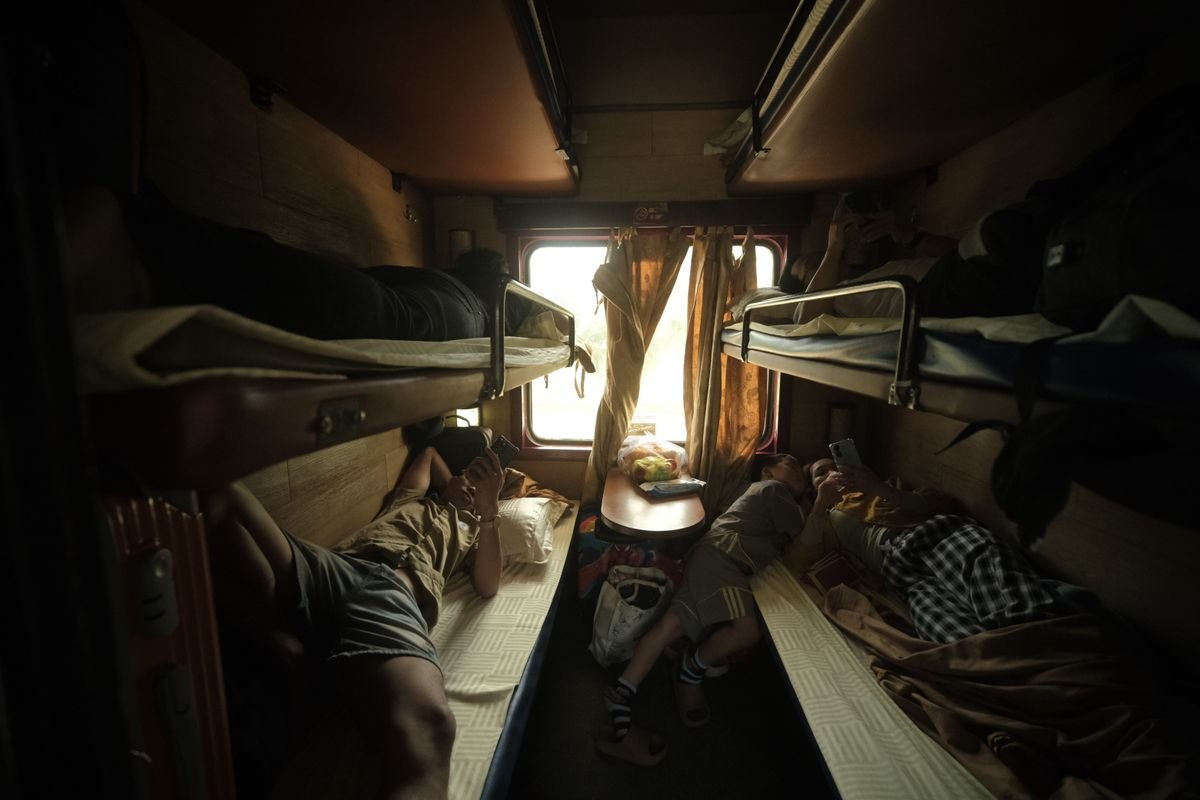

Going to sleep in one place and waking up in another is one of the oldest tricks in travel, and it is enjoying a quiet revival. Overnight trains and ferries, once seen as slow relics of a pre-aviation era, are attracting travelers who want to save a night’s accommodation, avoid early airport mornings, or simply enjoy the journey. They are not perfect, and they do not suit every traveler, but for the right trip they turn the long hours of getting from A to B into something closer to a rest than an ordeal.
Why Overnight Travel Is Attractive Again
- It combines transport and a bed. Instead of paying for a hotel and a daytime journey, you cover both in one ticket, which can make the overall cost lower, especially for longer distances.
- You arrive in the city center. Train stations and ferry ports are usually closer to the heart of town than airports, which saves time and transfer costs.
- It saves daylight. Traveling at night frees up the next day for sightseeing, work, or rest, instead of spending it in transit.
- It can cut emissions. For many routes, trains and ferries have a lower carbon footprint per passenger than short-haul flights, a point that matters to a growing number of travelers.
- It is a calmer experience. There are no tight security queues, strict baggage limits, or cramped boarding gates, and passengers can often move around freely.
In several countries, governments and operators have been investing in new or restored night train services, and some ferry routes have expanded as demand for slower, lower-impact travel has grown. Availability, routes, and schedules change often, so always check the current timetable for your journey.
Choosing Your Comfort Level on a Night Train
- Seat. The cheapest option, usually a reclining chair. It can work for shorter or less demanding journeys, though sleep is lighter.
- Couchette. A shared compartment with fold-down bunks, often four or six to a compartment, with a sheet and pillow provided. Good value and quite comfortable for most travelers.
- Sleeper cabin. A private or semi-private compartment with proper beds, sometimes with a washbasin or private bathroom. More expensive but much more restful.
Some services offer women-only compartments, and many allow you to book a whole cabin for a family or group, which is a good option for travelers who prefer privacy.
Ferries: A Different Kind of Night Journey
Overnight ferries operate across many parts of the world, including the Mediterranean, the Baltic and North Seas, and between islands and mainlands in Asia. Passengers can choose between seats, reclining lounges, and cabins of varying sizes. Larger ferries often have restaurants, cafes, and shops, as well as outdoor decks where you can watch the coastline slip by.
A ferry also lets you bring a car or bicycle on board on many routes, which can simplify a road trip that crosses a stretch of water. Booking a cabin is usually worthwhile on a night crossing, since sleeping in a lounge chair can be tiring.
A Personal Experience
The first time I took a night train, I expected to arrive tired and cranky. Instead, I read for an hour, fell asleep to the rhythm of the tracks, and woke to the sight of mountains in the early light. I stepped out in the middle of the city at eight in the morning with a full day ahead and had not spent a night in a hotel. It was not perfectly quiet or perfectly smooth, but it felt like a clever use of time.
Practical Tips for a Good Night
- Book early. Sleeper cabins and couchettes are limited and sell out, especially in busy seasons.
- Pack a small overnight bag. Keep toiletries, a change of clothes, a light layer, and any medication within reach, rather than in a large suitcase stored elsewhere.
- Bring earplugs and an eye mask. They help with noise and light, especially in shared compartments.
- Keep valuables secure. Use the lock on the compartment door, keep your passport and money on you, and follow the staff’s advice.
- Charge your devices. Not all cabins have enough power sockets, so bring a power bank.
- Eat before you board or pack food. Dining cars and onboard cafes are not always available on all routes, and choices may be limited.
- Check luggage, bike, and pet rules, which vary by operator and route.
Needs to Plan For
Travelers who observe dietary or religious practices will want to plan ahead. If you eat halal or follow another dietary requirement, onboard food may be limited, so bringing your own meals and snacks is the safest approach. For prayer, it is generally possible to pray in a compartment, in a quiet corner, or seated if space is limited, and many travelers find the calm of a night journey conducive to it. It helps to check the timing of prayers against the schedule and to carry a small prayer mat or direction app. Travelers with mobility needs should check carefully, since narrow corridors, steps, and bunks can be hard to manage, and ask the operator about accessible cabins.
Seasickness and Other Comfort Issues on Ferries
On rough sea crossings, motion can be uncomfortable. Choosing a cabin in the middle of the ship and low down, where movement is least, helps. Looking at the horizon, getting fresh air, eating lightly, and using remedies recommended by a pharmacist or doctor can ease symptoms for those prone to seasickness.
The Downsides to Be Realistic About
Overnight travel is not always better. Sleep can be lighter than in a hotel, trains can be delayed, and schedules and routes are limited compared with flights. Prices can be high for private cabins, and some night services run only on certain days or seasons. If you have a tight schedule or a fixed appointment on arrival, a delay can be a problem. It is worth building some buffer into your plans.
FAQ
Is it safe to sleep on a night train or ferry?
Generally yes, especially in locked cabins and with sensible precautions such as keeping valuables on you and following staff advice. Choose reputable operators and check recent traveler reviews.
What is the difference between a couchette and a sleeper cabin?
A couchette is a shared compartment with fold-down bunks, while a sleeper cabin has proper beds and is usually private or shared by a small group, with more comfort at a higher price.
Can I find halal food on board?
It is often limited, so bring your own meals and snacks if you need to be sure. Check with the operator in advance for any options available.
How can I avoid seasickness on an overnight ferry?
Choose a central cabin on a lower deck, look at the horizon, eat lightly, and consider remedies recommended by a pharmacist or doctor.
Conclusion
Overnight trains and ferries suit travelers who value the journey as much as the destination. With a little planning around cabins, food, and comfort, they can save money and daylight hours, and turn a long transfer into one of the more memorable parts of a trip.