
Long before leisure travel existed as a mainstream concept, people were already making long, deliberate journeys for religious reasons, to Mecca, to Jerusalem, to Santiago de Compostela, to countless other sites carrying deep spiritual significance across nearly every major faith tradition. That practice never actually stopped, and recently, it’s grown considerably, with faith-based and pilgrimage travel expanding well beyond its traditional core audience.
What Counts as Pilgrimage or Faith-Based Travel
This category covers a genuinely wide range of travel motivated by religious or spiritual purpose, formal pilgrimages with specific religious obligations attached, such as Hajj and Umrah in Islam, alongside more flexible spiritual travel, visiting significant religious sites without a formal pilgrimage requirement attached, retreats at monasteries or spiritual centers, and travel timed around specific religious festivals or observances.
Why This Kind of Travel Is Growing Now
- Improved travel infrastructure to major sites — significant investment in transportation, accommodation, and logistics around major pilgrimage destinations has made these journeys considerably more accessible than in previous generations
- Growing middle-class populations globally — expanding economic access in many countries has allowed considerably more people to afford pilgrimage travel that previous generations often could only complete once in a lifetime, if at all
- Renewed interest in spiritual and reflective travel generally — broader cultural interest in meaningful, purpose-driven travel has drawn some travelers toward faith-based destinations even without a specific religious obligation motivating the trip
- Digital resources simplifying complex logistics — apps and online resources specifically built for pilgrimage planning have reduced a significant barrier that previously required extensive advance research or reliance on organized tour groups exclusively
Hajj and Umrah: Massive Scale and Careful Coordination
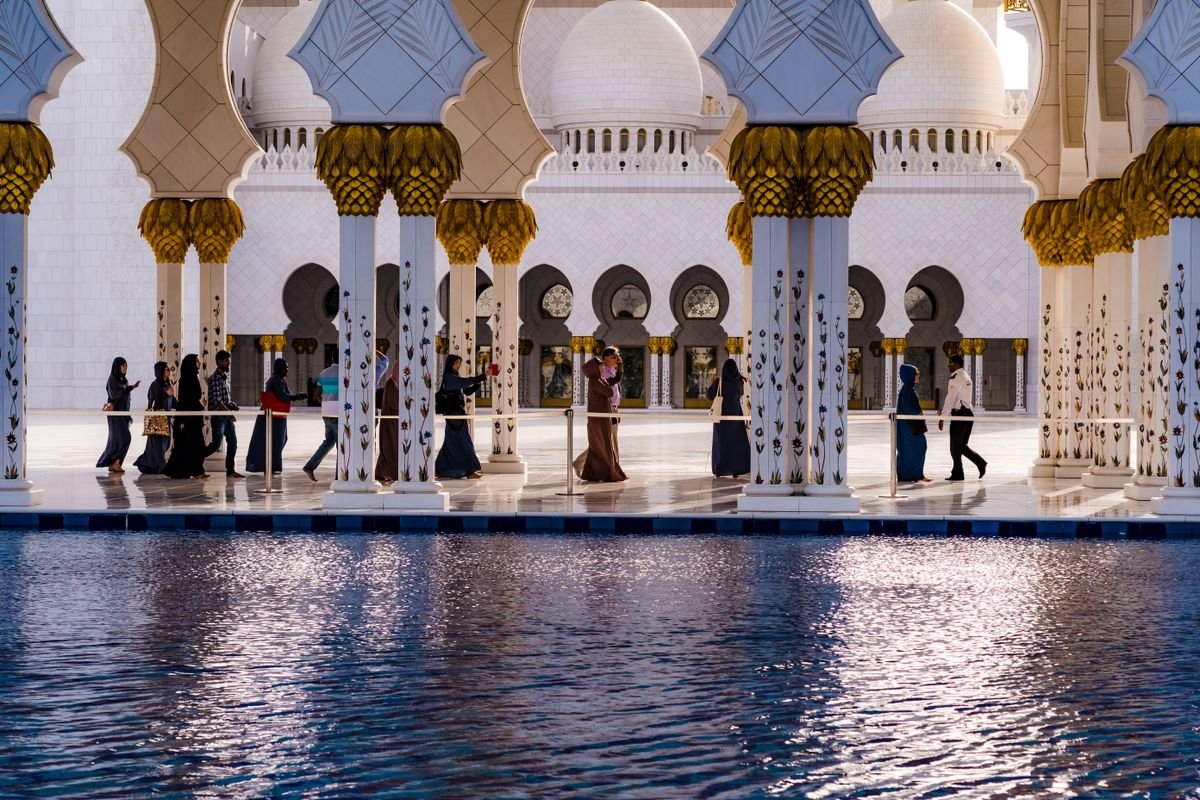
Hajj, the pilgrimage to Mecca required at least once in a lifetime for Muslims who are able, represents one of the largest annual religious gatherings in the world, drawing pilgrims from across the entire globe within a specific, relatively short timeframe each year. Saudi Arabia has invested substantially in infrastructure specifically to manage this scale, transportation systems, accommodation capacity, and crowd management technology designed to handle the sheer volume of pilgrims safely.
Umrah, a related but non-obligatory pilgrimage that can be performed at any time of year, has grown considerably in accessibility, with travel packages and logistics support making the journey more approachable for a broader range of travelers than in previous decades.
The Camino de Santiago: A Pilgrimage That Attracts Beyond Its Original Audience
The Camino de Santiago, a network of pilgrimage routes across Spain leading to the shrine of the apostle James, has seen dramatic growth in participation, drawing not only Catholic pilgrims fulfilling a traditional religious obligation, but also a considerably broader range of travelers seeking reflection, physical challenge, or simply a meaningful, structured long-distance walking experience.
This broadening appeal reflects a genuine pattern across several pilgrimage routes globally, sites deeply rooted in specific religious traditions increasingly draw a mixed group of both religious pilgrims and travelers motivated by more general reflective or physical goals.
A Personal Account From a Recent Pilgrim
A close family friend completed Umrah last year, describing the experience as considerably more organized and accessible than she’d expected based on her own mother’s account of making the same journey decades earlier. Modern logistics support, guided groups, clear scheduling, and considerably improved accommodation options near the holy sites made an inherently demanding physical and spiritual journey considerably more manageable without diminishing its genuine significance for her.
Jewish, Christian, and Hindu Pilgrimage Traditions Also Growing
Beyond Islamic and Catholic pilgrimage traditions specifically, Jewish travel to significant sites in Israel, Christian pilgrimage to the Holy Land more broadly, and Hindu pilgrimage to sites like Varanasi and the Char Dham circuit have all seen growth in both traditional pilgrim numbers and broader spiritual tourism interest from travelers outside the core religious community associated with each specific site.
Practical Considerations for Faith-Based Travel
Pilgrimage travel often involves specific logistical and physical demands that differ from standard leisure travel, extended walking or standing, specific dress codes or ritual requirements, and often significant crowds at major sites during peak pilgrimage periods. Researching these specific requirements well in advance, alongside understanding a destination’s particular customs and expectations, helps travelers approach the experience respectfully and prepared, whether visiting as a religious pilgrim or a more general spiritual traveler.
Respecting the Difference Between Pilgrimage and Tourism
As pilgrimage sites draw increasingly mixed audiences, both devoted religious pilgrims and travelers with more general spiritual or cultural interest, maintaining appropriate respect for a site’s primary religious significance matters considerably. Travelers visiting primarily out of general interest rather than religious obligation generally benefit from researching appropriate behavior and dress specifically, treating these sites with the same care and respect expected of the traditional religious pilgrims for whom the site holds its deepest significance.
How Travel Companies Have Adapted to This Growth
Specialized tour operators focused specifically on pilgrimage and faith-based travel have grown considerably, offering logistics support, group coordination, and guidance specifically tailored to the unique requirements of religious travel, distinct from standard leisure tourism packages. This specialization has made complex pilgrimage logistics considerably more approachable for travelers who might otherwise find independent planning genuinely daunting.
FAQ
What’s the difference between Hajj and Umrah?
Hajj is a specific pilgrimage to Mecca required at least once in a lifetime for Muslims who are able, performed during a specific designated period each year, while Umrah is a related but non-obligatory pilgrimage that can be performed at any time throughout the year.
Can non-religious travelers visit pilgrimage sites like the Camino de Santiago?
Yes, many travelers complete these routes for personal reflection or physical challenge rather than religious obligation specifically, though maintaining respect for the site’s primary religious significance remains important regardless of personal motivation.
Why has pilgrimage travel become more accessible in recent years?
Significant infrastructure investment at major pilgrimage sites, growing global middle-class travel capacity, and improved digital planning resources have all contributed to making these journeys considerably more approachable than in previous generations.
What should travelers research before visiting a major pilgrimage site?
Understanding specific dress codes, ritual requirements, physical demands, and appropriate behavior expectations at a particular site helps travelers, whether religious pilgrims or general spiritual travelers, approach the experience respectfully and adequately prepared.
Conclusion
Pilgrimage travel represents one of humanity’s oldest forms of purposeful journey, and its continued growth today reflects both improved accessibility and a genuine, ongoing hunger for travel that carries deeper meaning than leisure alone. Whether undertaken as religious obligation or personal reflection, these journeys continue offering something that a typical vacation itinerary rarely attempts to provide.