
Peak season crowds, inflated prices, and a race to book accommodations months in advance define travel during a destination’s most popular window. Off-season travel flips that entire equation, and a growing number of travelers have started deliberately choosing the quieter, less obvious time of year specifically because of what that shift actually provides.
Why Off-Season Travel Has Gained Genuine Appeal
Beyond the obvious cost savings, traveling during a destination’s off-season often provides a genuinely different, less crowded experience of the same location, shorter lines, more attentive service, and considerably more availability at popular restaurants or attractions that require reservations well in advance during peak periods.
The Financial Case for Timing Travel Differently
- Significantly lower accommodation costs — hotels and vacation rentals often drop prices considerably outside peak demand periods, sometimes by half or more compared to high season rates
- Reduced flight costs — airlines typically lower fares to destinations experiencing reduced demand, making the same trip considerably more affordable
- Lower or negotiable rates on tours and activities — reduced demand often means more room for negotiation or simply lower posted rates on guided experiences
- Overall trip cost reduction — the cumulative effect across accommodation, flights, and activities can make an otherwise expensive destination considerably more accessible
A Personal Account of Choosing the Off-Season Deliberately
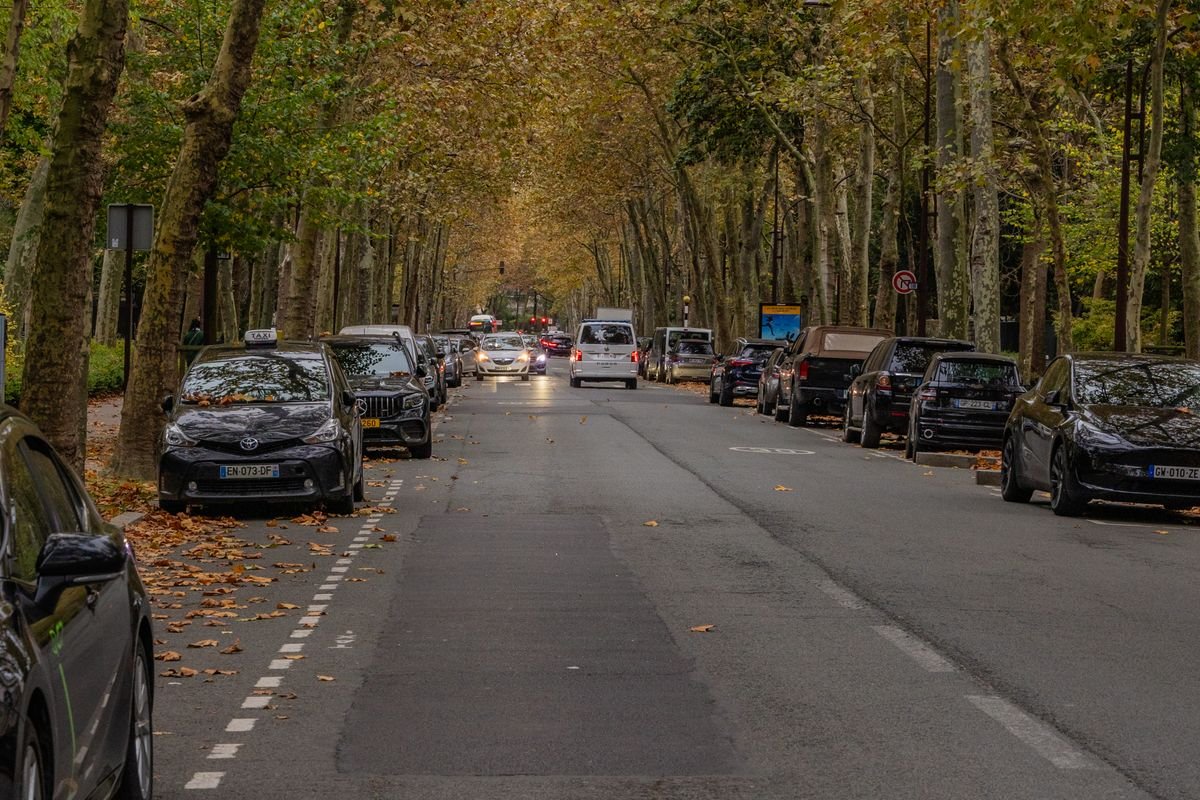
I visited a popular European destination specifically during its shoulder season, initially uncertain whether cooler weather and reduced daylight hours would meaningfully detract from the experience. What I found instead was a considerably more genuine, less commercialized version of the destination, restaurant staff with actual time to talk, monuments without hour-long queues, and a cost roughly half of what the same trip would have required during peak summer months.
Understanding the Tradeoffs Involved
Off-season travel isn’t universally advantageous, weather conditions may genuinely limit certain activities, some seasonal attractions or businesses may be closed entirely during the off-season, and certain destinations are specifically built around a narrow seasonal window, ski resorts during summer, for instance, where the off-season genuinely changes what’s actually available to do.
Researching a Destination’s Specific Off-Season Reality
Rather than assuming off-season travel universally means fewer crowds and lower prices, researching a specific destination’s actual seasonal patterns matters considerably, some locations have multiple shoulder seasons with distinct advantages, while others have a genuinely narrow window where visiting outside it means missing considerable, specific attractions or experiences that simply aren’t available otherwise.
The Shoulder Season Sweet Spot
Many experienced off-season travelers specifically target shoulder seasons, the transitional periods just before or after a destination’s peak season, rather than the deepest off-season, aiming for a genuine balance between reduced crowds and costs while still avoiding the most significant weather or closure limitations of the full off-season period.
How This Affects Trip Planning Flexibility
Off-season travel often allows considerably more spontaneous booking, since reduced demand means less risk of specific accommodations or flights selling out months in advance. This flexibility appeals particularly to travelers who prefer not committing to rigid, far-in-advance plans, a genuine benefit beyond the direct cost savings involved.
Local Business Support During Off-Peak Periods
Some off-season travelers specifically cite supporting local businesses during their quieter periods as an additional motivation, tourism-dependent communities often experience genuine economic strain during off-peak months, and off-season visitors provide meaningful business during a period that might otherwise be considerably slower for local economies.
What to Pack and Plan Differently for Off-Season Trips
Off-season travel often requires different, sometimes more varied packing than peak season, weather can be considerably less predictable, and some activities may require advance confirmation that a specific business or attraction is actually operating during the visit, rather than assuming standard peak-season hours and availability apply.
FAQ
Is off-season travel always cheaper?
Generally yes, though the specific savings vary considerably by destination and how narrow or wide that destination’s off-season demand drop actually is, so researching specific pricing patterns for a particular location is worthwhile.
What is “shoulder season” travel?
It refers to the transitional periods just before or after a destination’s peak season, offering many of the crowd and cost benefits of off-season travel while avoiding some of the more significant weather or closure limitations of the deepest off-season.
Are there destinations where off-season travel isn’t advisable?
Yes, destinations built around a narrow seasonal activity, like ski resorts, may have very limited alternative activities available during their off-season, making research into what’s actually open and operating important before booking.
Does off-season travel require different packing than peak season?
Often yes, weather can be less predictable during shoulder or off-season periods, and confirming that specific planned activities or attractions are actually operating during your visit is worth doing in advance.
Conclusion
Off-season travel asks travelers to trade a small amount of predictability, guaranteed peak weather, guaranteed full seasonal operations, for genuinely lower costs and a considerably less crowded experience of the same destination. For travelers willing to research the specific tradeoffs involved, that trade has increasingly proven worth making.