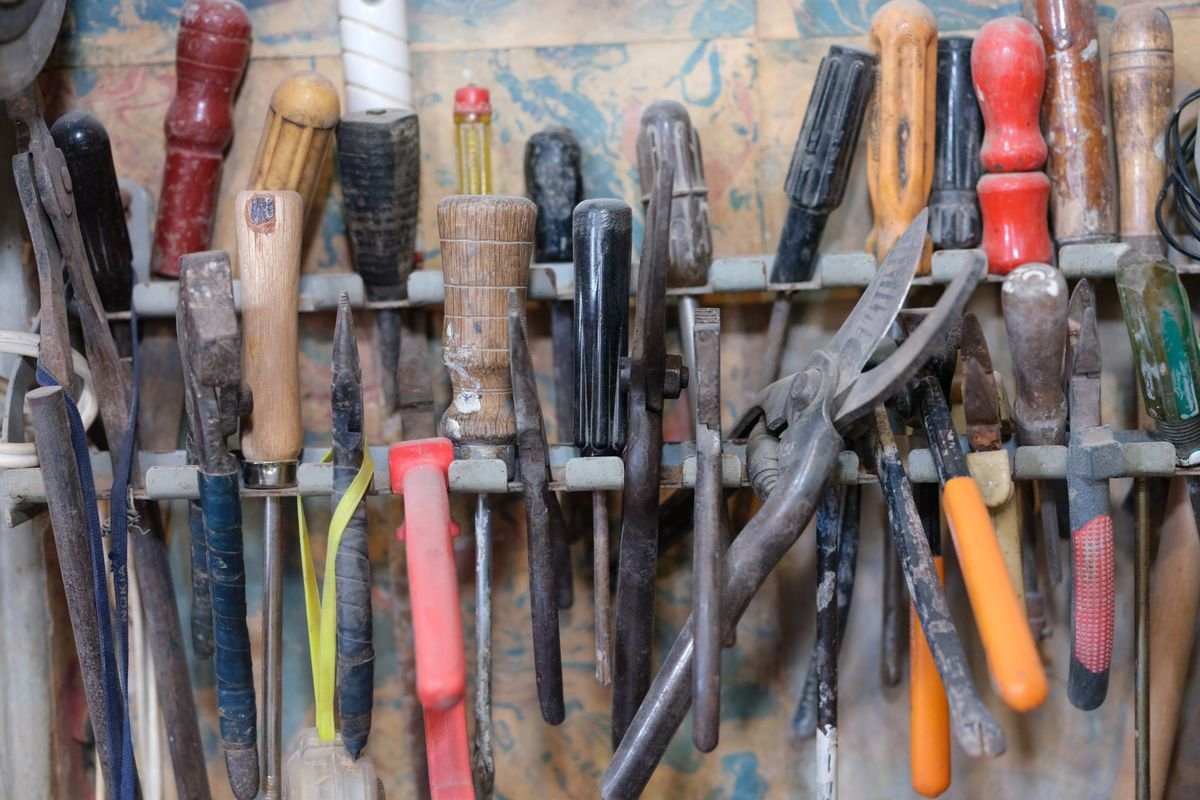

A power drill used maybe twice a year, a ladder taking up garage space most of the time, a pressure washer bought for one specific project and rarely touched since. Neighborhood tool and item sharing libraries have grown specifically around this common pattern, recognizing that a lot of household equipment sits unused far more often than it actually gets used.
What a Tool Library Actually Is
Similar in structure to a traditional book library, tool libraries allow members to borrow equipment, power tools, gardening equipment, occasionally even larger items like camping gear or party supplies, for a limited period rather than purchasing an item outright for occasional use. Some operate through a small membership fee, others run entirely through municipal or nonprofit funding, and increasingly, informal neighborhood-based versions have emerged organized directly among residents themselves.
Why This Model Has Gained Genuine Traction
- Cost savings on infrequently used items — many tools cost a meaningful amount but get used only a handful of times over their entire ownership, making borrowing considerably more economical than purchasing
- Storage space limitations — smaller urban homes and apartments often lack adequate storage for a full collection of rarely used tools and equipment
- Environmental awareness — reducing the total number of manufactured tools required across a neighborhood, when sharing effectively distributes access to the same equipment, appeals to environmentally conscious residents
- Community connection — the sharing process itself often creates genuine, if modest, neighborly interaction that purely transactional purchasing never provides
A Personal Account of Joining a Local Tool Library
I joined a neighborhood tool library after realizing I’d purchased a specific power tool for a single home project, then let it sit unused in a closet for over a year afterward. Borrowing similar equipment for subsequent projects, rather than accumulating an ever-growing collection of single-use purchases, genuinely changed how I approached home projects, less about owning the right tool for every possible task, more about accessing what’s actually needed when a specific need arises.
Beyond Tools: Broader Item-Sharing Libraries
Some communities have expanded this model well beyond traditional tools, lending libraries for camping equipment, party and event supplies, even specialized kitchen equipment used only occasionally, like large capacity slow cookers or specific baking equipment. This broader expansion reflects the same underlying logic applied across an increasingly wide range of infrequently used household items.
How Informal Neighborhood Versions Typically Work
Beyond formal, organized tool libraries, informal neighborhood sharing has grown through dedicated community groups, sometimes online, sometimes through a simple shared spreadsheet or messaging group, where neighbors list items they’re willing to lend and coordinate borrowing directly among themselves. This informal version requires more direct trust between neighbors but avoids the overhead of a formally organized lending institution.
Addressing the Trust and Liability Questions
A common concern around tool sharing involves damage or loss, what happens if a borrowed item breaks or isn’t returned. Formal tool libraries generally address this through clear borrowing agreements and sometimes small deposits, while informal neighborhood sharing relies more heavily on direct relationship and trust between the specific neighbors involved, which can work well in a tight-knit community but requires more careful navigation in less established neighborhood relationships.
The Economics Behind Shared Access
For any specific tool or item used only a handful of times a year, the total cost of purchasing, storing, and maintaining that item individually across many households in a neighborhood considerably exceeds what a shared model requires, one or a small number of the same tool serving considerably more total uses across the community than dozens of individually purchased, rarely used copies ever would.
Municipal and Nonprofit Support for This Model
Some cities and nonprofit organizations have begun actively supporting tool library infrastructure, providing physical space, initial equipment funding, or operational support recognizing the genuine community and environmental benefit these libraries provide. This institutional support has helped some tool libraries grow into considerably larger, more sustainable operations than a purely informal neighborhood arrangement could typically support on its own.
What This Reveals About Changing Attitudes Toward Ownership
The growth of tool and item sharing libraries reflects a broader, gradual shift in how some people think about ownership generally, moving from a default assumption that infrequently needed items should be individually purchased and stored, toward a more considered evaluation of whether shared access might genuinely serve the same need more efficiently for items that don’t require constant, daily availability.
FAQ
How does a tool library typically work?
Similar to a book library, members borrow tools and equipment for a limited period, often through a small membership fee or, in some cases, municipal or nonprofit funding, rather than purchasing items individually for occasional use.
What happens if I damage a borrowed tool?
Formal tool libraries generally have clear borrowing agreements and sometimes small deposits to address this, while informal neighborhood sharing relies more directly on trust and relationship between the specific individuals involved.
Are tool libraries only for power tools?
No, many have expanded to include camping equipment, party and event supplies, and specialized kitchen equipment, reflecting a broader model of sharing infrequently used household items generally.
How can I start an informal tool-sharing group in my own neighborhood?
Many informal groups start with a simple shared spreadsheet or messaging group where neighbors list items they’re willing to lend, allowing direct coordination without requiring a formally organized lending institution.
Conclusion
Tool and item sharing libraries succeed by addressing a genuinely common, if rarely discussed, inefficiency, households individually purchasing and storing items used only occasionally, when shared access could serve the same actual need considerably more efficiently. For neighborhoods that’ve adopted this model, it’s turned out to offer both practical savings and a genuine reason for neighbors to actually interact.