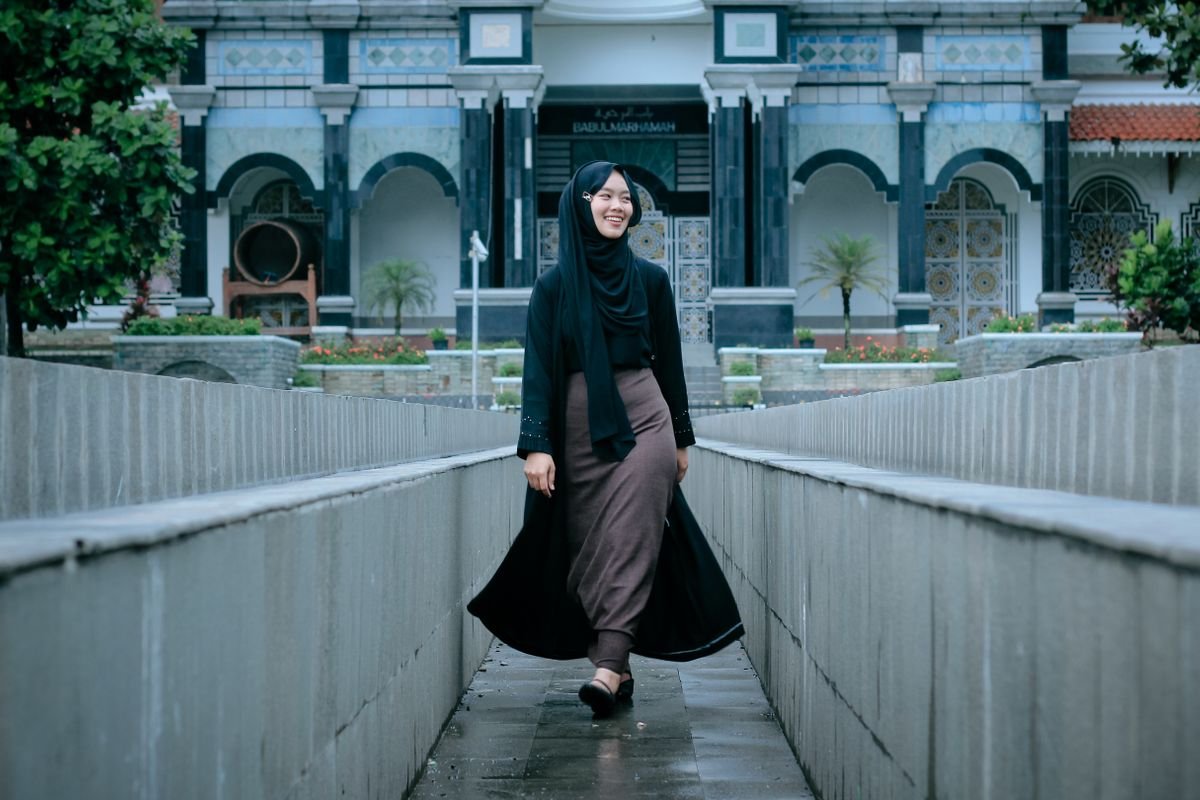

For years, modest fashion existed mostly as a specialized market, dedicated boutiques, niche online retailers, a specific customer base actively seeking it out rather than encountering it as part of everyday mainstream shopping. That’s changed considerably. Major retailers now regularly feature longer hemlines, higher necklines, and looser silhouettes as simply part of the general collection, not a separate, clearly labeled category.
What “Modest Fashion” Actually Covers
Modest fashion generally refers to clothing that covers more of the body than mainstream Western fashion has typically emphasized in recent decades, longer sleeves, higher necklines, looser fits, longer hemlines. It’s worn for a range of reasons, religious observance across several faiths, including Islam, Judaism, and certain Christian traditions, alongside purely personal style preference entirely disconnected from religious practice.
This range of motivation matters for understanding the market’s growth, modest fashion isn’t a single, narrowly defined customer base, it spans religious communities, style-focused consumers seeking more coverage for personal preference, and increasingly, a broader fashion trend embraced regardless of specific motivation.
Why Mainstream Retail Started Paying Attention
- Genuine market size — the global modest fashion market represents substantial purchasing power that retailers increasingly recognize as worth serving directly rather than ceding to specialized competitors
- Broader style trends aligning naturally — recent fashion cycles favoring looser, more relaxed silhouettes over tighter, more revealing cuts have made modest-adjacent pieces feel current rather than conservative
- Social media visibility — modest fashion influencers and content creators have built substantial followings, demonstrating clear consumer demand and style innovation within this space directly to retailers and brands
- Reduced stigma around covering up — broader fashion conversations increasingly frame more coverage as a legitimate style choice rather than automatically reading it as restrictive or old-fashioned
How This Shows Up in Mainstream Collections
Rather than launching separate, explicitly labeled “modest” lines, many mainstream retailers have simply incorporated more covering silhouettes into their general collections, longer dresses, higher necklines, more relaxed cuts sitting alongside more traditionally revealing options rather than segregated into a distinct category. This integration matters, it signals modest-friendly options are being treated as genuine style choices within the mainstream, rather than a specialized accommodation requiring a separate shopping experience.
Some brands have gone further, launching dedicated modest fashion lines or partnering directly with modest fashion influencers and designers, recognizing this specific market segment as worth deliberate, direct investment rather than incidental overlap with broader style trends.
A Personal Observation From Someone Who Shops This Way
A friend who’s dressed modestly for religious reasons her entire life described the shift to me directly, for years, finding stylish, well-made modest options meant specialty retailers, often at a premium price and limited selection. Now, she regularly finds pieces that work for her at mainstream stores without needing to explain or justify the search, longer dresses, higher-necked tops, simply sitting on the rack alongside everything else rather than requiring a separate hunt entirely.
The Overlap With Broader Sustainable and Slow Fashion Movements
Modest fashion often naturally aligns with pieces designed for longevity and versatility rather than fast, disposable trend cycles, timeless silhouettes, quality fabric emphasis, and pieces intended to be styled multiple ways over an extended period. This overlap has drawn some crossover interest from consumers primarily motivated by sustainability concerns rather than modesty specifically, further broadening the category’s mainstream appeal.
Challenges That Still Exist Despite Growth
Despite genuine mainstream growth, gaps remain. Certain categories, swimwear, activewear, formal occasion wear, still see less mainstream modest representation than everyday basics, leaving specialized retailers as the primary option for these specific needs. Sizing and fit specifically designed for modest silhouettes also varies considerably in quality across mainstream retailers, some execute this well, others simply extend existing patterns without fully considering how a longer or looser silhouette should actually be constructed and fitted.
What This Growth Means for Consumers
For consumers seeking modest options, whether for religious, cultural, or personal style reasons, this mainstream growth has genuinely expanded practical choice, more retailers, more price points, more style variety than existed even several years ago. This doesn’t eliminate the value specialized modest fashion retailers continue to provide, particularly for specific categories or highly tailored fits, but it does mean modest dressing no longer requires exclusively shopping in a separate, specialized market.
Why This Trend Likely Continues
Given the combination of genuine market size, aligning broader style trends, and growing retailer investment directly in this space, modest fashion’s mainstream presence appears positioned for continued growth rather than representing a brief, passing moment of retailer attention that fades once a specific trend cycle moves on to something else entirely.
FAQ
Is modest fashion only worn for religious reasons?
No, while religious observance across several faiths is a significant motivation, many consumers choose modest fashion purely for personal style preference, entirely separate from any religious practice.
Why have mainstream retailers started offering more modest fashion options?
Genuine market size, aligning broader style trends favoring looser silhouettes, and growing visibility through modest fashion influencers have all contributed to retailers recognizing this as a market worth serving directly.
Which clothing categories still lack mainstream modest options?
Swimwear, activewear, and formal occasion wear tend to have less mainstream modest representation compared to everyday basics, leaving specialized retailers as a more reliable option for these specific needs.
Does modest fashion overlap with sustainable fashion trends?
Often yes, modest fashion frequently emphasizes timeless, versatile pieces over fast trend cycles, which naturally aligns with broader sustainable and slow fashion values around clothing longevity.
Conclusion
Modest fashion’s move into mainstream retail reflects something more durable than a passing style moment, a growing recognition that covering up is a legitimate, marketable style choice rather than a niche accommodation. For consumers who’ve spent years searching specialty retailers for options that felt current and well-made, that shift represents genuine, practical progress.