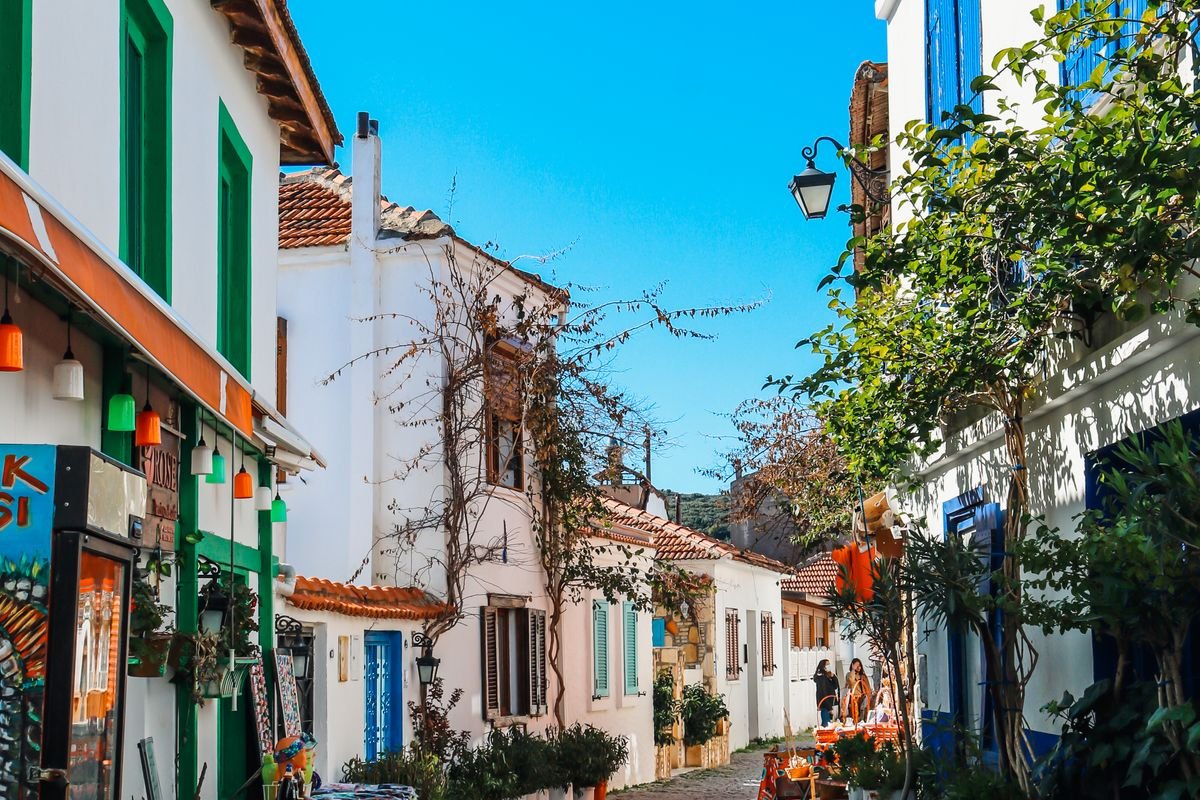

Most travelers start planning accommodation by comparing hotels: the photos, the star ratings, the price per night. The neighborhood comes up later, often as a line in the description or a dot on a map. Yet the area around a hotel shapes a trip far more than the thread count of the sheets. It decides how long you spend on transit, where you eat breakfast, how safe you feel walking back at night, and how well you sleep. Choosing the neighborhood first, and the hotel second, is one of the simplest ways to improve a trip.
Why the Neighborhood Matters More Than the Room
You will probably spend most of your waking hours outside the room. What matters is what happens when you step out the door: whether there is a bakery on the corner, how far the nearest station is, whether the streets feel pleasant to walk. A beautiful hotel in an awkward location can cost you an hour a day in commuting, and a modest one in a well-placed area can make the whole city feel easy.
There is also the matter of atmosphere. A historic center, a business district, a residential quarter, and an area near the airport can all be in the same city and feel like different places. Picking the right one is about matching the area to the kind of trip you want.
Start With What You Actually Want From the Trip
- Short stay with lots of sightseeing. Prioritize being close to main attractions or a well-connected transit hub.
- Relaxed, longer stay. A residential neighborhood with local cafes, markets, and parks may feel better than a busy tourist zone.
- Traveling with children. Look for quiet streets, green space nearby, grocery stores, and easy transit.
- Business or conference travel. Proximity to the venue or a direct transit line saves time and stress.
- Arriving late or leaving early. A location near the station or airport transfer point can be worth a slightly less charming setting.
The Factors Worth Checking
- Transit access. How far is the nearest metro, tram, or bus stop, and where do those lines go? Look at whether the route to the places you want to visit requires changes.
- Walkability. Are there pavements, crossings, and interesting streets, or is the area dominated by heavy traffic?
- Safety and comfort. Check recent traveler reviews, local advice, and official travel guidance, and consider how comfortable you will feel returning after dark.
- Noise. Busy squares, late-night venues, and main roads can make for a restless night. Reviews often mention noise, so search for the word directly.
- Food and daily needs. Look for places to eat, a pharmacy, a grocery store, and a place to exchange or withdraw money close by.
- Character. Think about what you enjoy: markets, parks, old streets, modern architecture, or views.
- Price. Central areas usually cost more. Slightly farther neighborhoods with good transit can offer better value.
Needs That Are Easy to Overlook
Travelers with particular dietary or religious requirements will find that the neighborhood can matter as much as the hotel. If you eat halal food, checking for halal restaurants or grocery shops nearby, using a reliable app or local guides, can save a lot of searching on arrival. If you pray regularly, it helps to see how far the nearest mosque or prayer space is, and in some places, whether the hotel can provide the prayer direction and a quiet corner. Accessibility needs, such as step-free entrances and lifts, also depend on the surrounding streets as well as the building itself.
How to Research a Neighborhood From Home
I once booked a hotel that looked ideal on the booking site, only to discover on arrival that it was at the bottom of a steep hill, a fifteen-minute uphill walk from the nearest station. A few minutes of extra research beforehand would have shown me. These steps help:
- Use the map view. Check the distance to stations, main sights, and places to eat, and notice the terrain.
- Use street-level imagery. A virtual walk along the street shows what the area actually looks like and how busy it appears.
- Read recent reviews carefully. Look for comments about noise, safety, cleanliness, and how long it takes to reach main sights. Weigh reviews from travelers similar to you.
- Check transit maps. Find out how many lines run nearby and until what time.
- Look at traveler forums and local guides. They often describe the character of each neighborhood honestly.
- Consider the time of day. An area can feel very different at midday and late at night.
Central or Slightly Outside?
There is no single right answer. Staying in the heart of a city saves time and makes spontaneous outings easy, but it often comes with higher prices, crowds, and noise. Staying a few stops away on a good transit line can be calmer and cheaper, and you may see more of how locals live. The trade-off depends on your tolerance for commuting. A useful rule of thumb is to avoid locations where reaching your main destinations takes more than 30 to 40 minutes each way.
Types of Neighborhoods and What to Expect
- Historic centers. Atmospheric and close to major sights, but often busier, pricier, and sometimes hard to navigate with luggage.
- Business districts. Convenient transit and good facilities, but they can be quiet or empty in the evenings and at weekends.
- Residential areas. Calmer and more local, with markets and cafes, though sometimes farther from major attractions.
- Station areas. Excellent for connections and early departures, but they can be noisy and mixed in character.
- Waterfront and park-side areas. Pleasant for walking and views, with variable transit access.
Check the Practical Details Before Booking
Confirm the hotel’s exact address on the map, read about luggage access (stairs, lifts, cobbled streets), check the cancellation policy, and see what is included in the price. It can also be useful to message the property with a specific question, such as the best route from the station. The quality of the response says a lot about the service.
FAQ
Is it better to stay in the city center or outside it?
The center saves time and is convenient but is often more expensive and noisy. A neighborhood with good transit links a few stops away can be calmer and cheaper, as long as the commute stays reasonable.
How can I tell if a neighborhood is safe?
Read recent traveler reviews, check official travel advice, look at the area on street-level imagery, and consider how comfortable you would feel there at night. Local forums can also give honest impressions.
How can I find halal food near my hotel?
Use a reliable halal restaurant app or local guides, search the map around the hotel for restaurants and grocery shops, and check recent reviews. It is worth confirming certification or sourcing if that matters to you.
What should I look for in transit access?
A nearby stop on a line that goes to your main destinations, reasonable operating hours, and a route that does not require too many changes.
Conclusion
A hotel is a room, but a neighborhood is the setting of your whole trip. Spending twenty minutes checking the map, the transit lines, and recent reviews before you book makes the difference between a stay that feels effortless and one that feels like a daily struggle, and often costs no more.