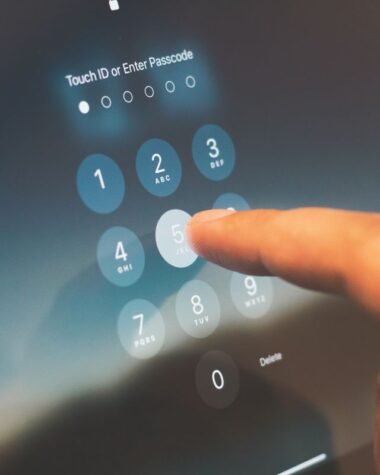

A single reused password across a dozen accounts used to be the quiet, slightly embarrassing default for a lot of people, an acknowledged bad habit rarely actually fixed. Password managers have moved from a niche security tool used mainly by technically inclined early adopters into something considerably closer to a standard household utility, genuinely changing how average households handle digital security.
Why Password Reuse Became a Genuine Household Risk
As the number of accounts requiring a password grew dramatically, banking, shopping, streaming, work accounts, social media, remembering genuinely unique, strong passwords for each one became practically impossible without some kind of dedicated tool. Password reuse, while understandable given this volume, creates a specific, serious vulnerability, a breach at any single service can expose credentials that then work across every other account using the same password.
What Password Managers Actually Do
- Generate genuinely random, strong passwords — removing the burden of creating memorable but weak passwords for every new account
- Store credentials securely, encrypted — protected behind a single master password or biometric unlock, rather than relying on memory or, worse, a written list
- Auto-fill login credentials — reducing friction enough that using genuinely unique passwords for every account becomes practical rather than a constant inconvenience
- Alert users to compromised or weak passwords — many services now actively flag passwords that have appeared in known data breaches, prompting a change before that vulnerability gets exploited
Why Households Specifically Have Started Adopting This
Password managers have moved beyond individual use into genuinely household-wide adoption, with shared family plans allowing secure credential sharing between family members, streaming service logins, shared subscriptions, and household accounts, without resorting to insecure methods like a shared note or a sticky note on a shared computer.
A Personal Account of Making the Switch
I resisted adopting a password manager for years, assuming the setup effort would outweigh the benefit given how long I’d already managed with my existing, admittedly weak system of reused passwords with minor variations. The actual transition took considerably less time than expected, and the immediate reduction in mental burden, no longer needing to remember or reconstruct passwords across dozens of accounts, made the switch feel almost overdue in hindsight.
The Master Password Question
A common hesitation around password managers involves a single point of failure concern, what happens if the master password itself is compromised or forgotten. Reputable password managers address this through strong encryption architecture where even the company itself cannot access stored passwords without the master password, alongside secure account recovery options that don’t compromise this core security model.
Biometric Integration Has Reduced Friction Considerably
Modern password managers increasingly integrate with fingerprint and facial recognition unlock on phones and laptops, meaning the master password itself gets entered considerably less frequently in daily use than earlier versions of this technology required. This reduction in friction has meaningfully improved adoption, since the security benefit no longer comes at the cost of constant, mildly annoying manual entry.
How This Fits Into Broader Household Digital Security
Password managers represent one part of a broader household digital security picture, alongside practices like enabling two-factor authentication where available and staying alert to phishing attempts. However, addressing password reuse specifically tends to close one of the largest, most common vulnerabilities in typical household digital security, making it a particularly high-impact single change for households just starting to improve their overall security practices.
Teaching Children and Teenagers This Habit Early
Families with older children and teenagers managing their own accounts, school platforms, social media, gaming accounts, have increasingly extended password manager use to younger family members as well, building genuinely healthy security habits early rather than allowing a teenager to develop the same reused-password patterns many adults eventually have to unlearn later.
What Happens During a Data Breach With This Protection in Place
When a specific service experiences a data breach, and unfortunately this happens with some regularity across various platforms, households using unique passwords per account face genuinely limited exposure, only that single compromised account requires a password change, rather than a scramble to update the same reused password across every account where it happened to be used.
FAQ
Are password managers actually safe to use?
Reputable password managers use strong encryption designed so that even the company itself cannot access stored passwords without the master password, making them considerably safer than password reuse or storing passwords in an unencrypted document.
What happens if I forget my master password?
Most reputable password managers offer secure account recovery options, though the specific process varies by provider, and it’s worth understanding a chosen service’s recovery policy before relying on it entirely.
Can families share passwords securely through a password manager?
Yes, many password managers offer family or shared plans specifically designed for securely sharing certain credentials, like streaming service logins, between family members without resorting to insecure sharing methods.
Is it worth using a password manager if I only have a few important accounts?
Yes, even a small number of accounts benefits from unique, strong passwords, and the habit and infrastructure built with a password manager tends to scale naturally as more accounts inevitably get added over time.
Conclusion
Password managers solved a genuinely widespread household problem that most people already knew they had, reused, weak passwords across too many accounts to reasonably manage otherwise. For households that’ve made the switch, the actual adjustment period tends to be considerably shorter than the years of low-grade security anxiety that preceded it.