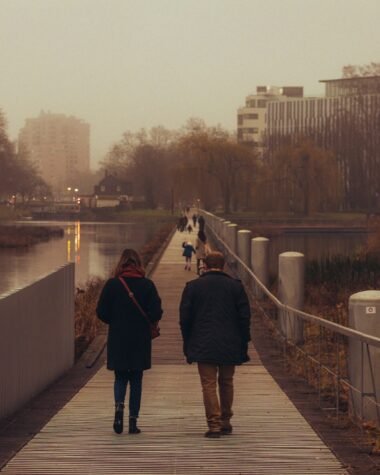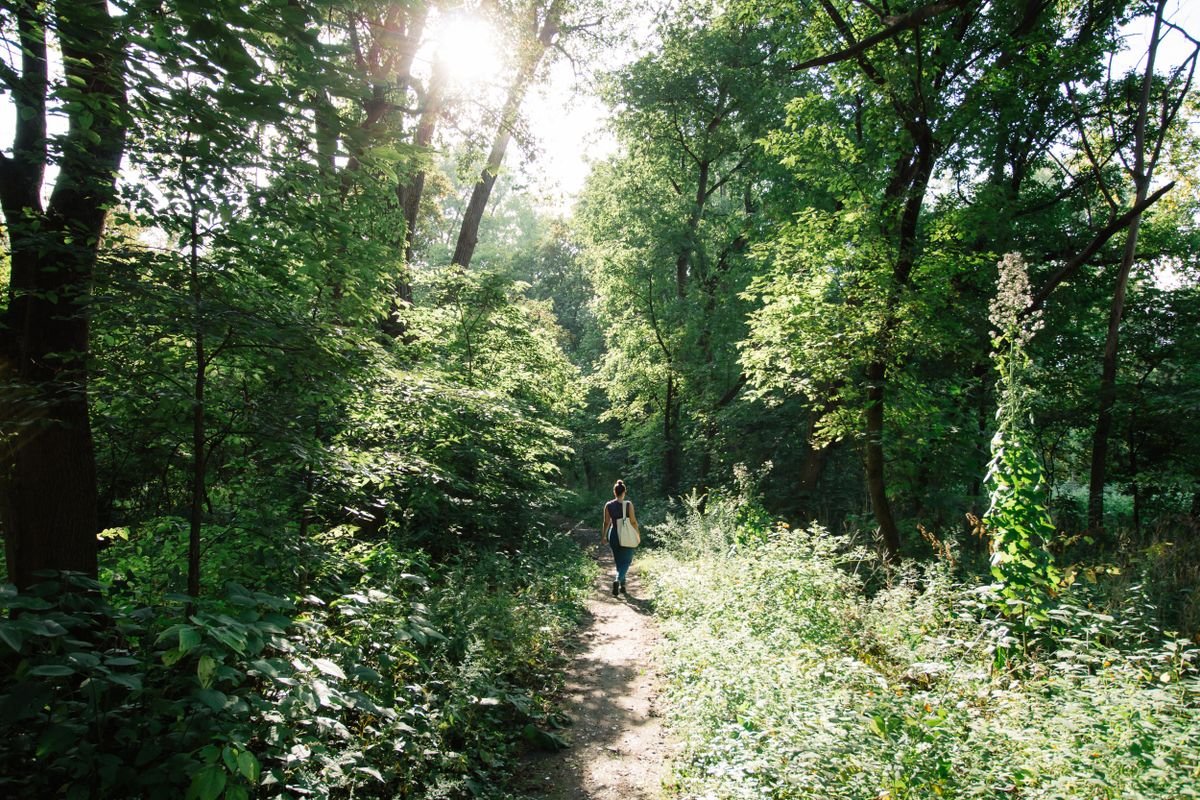

Walking has always been simple, put one foot in front of the other, arrive somewhere eventually. Somewhere along the way, though, most people started filling that time with a podcast, a phone call, music, anything to make the walk feel productive rather than empty. Silent walking pushes back against exactly that instinct, deliberately walking without any audio input at all, and it’s caught on considerably faster than its simplicity would suggest.
What Silent Walking Actually Is
The practice itself couldn’t be simpler, walking without headphones, podcasts, music, or phone calls, just the walk itself and whatever ambient sound naturally exists. This distinguishes it from a general walk where audio happens to be absent by circumstance, silent walking is a deliberate choice made specifically because the silence itself is the point.
What makes this notable isn’t the walking, humans have walked without audio for the entirety of history until fairly recently, it’s that doing so now requires active intention, resisting a default habit that’s become nearly automatic for a lot of people during any solo walk.
Why This Became Something Worth Naming at All
- Constant audio consumption became the default — podcasts, audiobooks, and music filled what used to be unstructured mental space, making silence itself feel like the unusual choice
- Growing awareness of mental overstimulation — broader conversations about screen time and constant content consumption created appetite for a specific, simple counter-practice
- Social media visibility — people documenting and discussing the practice online helped normalize something that might otherwise have felt like an oddly restrictive choice
- Low barrier to entry — unlike many wellness practices, this one requires literally removing something rather than adding new equipment or cost
What Actually Happens Mentally During a Silent Walk
Without external audio filling attention, the mind tends toward the same kind of undirected wandering associated with boredom more broadly, a state increasingly recognized as valuable for creative thinking and mental processing rather than simply empty, wasted time. This mirrors research on mind-wandering and its connection to problem-solving and emotional processing.
I started trying this on a regular walking route I’d done with podcasts for years. The first few attempts felt genuinely uncomfortable, an almost restless urge to fill the silence with something. By the third or fourth walk, that discomfort had shifted into something closer to clarity, unrelated thoughts and half-formed ideas surfacing in a way the podcast-filled version of the same walk never seemed to allow.
The Sensory Dimension Often Overlooked
Beyond the mental space it creates, silent walking also restores attention to ambient environmental sound, birds, traffic, wind, footsteps, sounds that become essentially invisible when headphones are the default. Some practitioners describe this heightened environmental awareness as one of the more unexpectedly enjoyable aspects of the practice, a fuller sensory experience of a route that otherwise becomes background noise.
Who Tends to Find This Most Valuable
People with particularly audio-saturated daily lives, constant calls, meetings, or content consumption throughout the workday, often report the strongest contrast when trying silent walking specifically, since it represents such a clear break from an otherwise constant pattern. For people whose days already include substantial quiet time, the practice may offer less of a noticeable contrast simply because less is actually changing.
Common Objections and How Practitioners Address Them
A frequent objection centers on efficiency, using walking time productively for a podcast or call feels like reclaiming otherwise “wasted” time. Advocates of silent walking generally reframe this, arguing the mental processing and reduced overstimulation genuinely produced during silent walks represents its own form of value, simply a less immediately measurable one than finishing a podcast episode.
Safety concerns also come up reasonably, walking without headphones in unfamiliar or higher-risk areas isn’t necessarily advisable regardless of any mental benefit, and practitioners generally acknowledge the practice works best in familiar, comfortable walking environments rather than being a universal recommendation for every possible walking context.
How to Actually Start Without Overcomplicating It
The practice requires essentially no preparation beyond simply leaving headphones behind for a walk already part of an existing routine. Starting with a shorter, familiar route tends to work better than attempting an ambitious, extended silent walk immediately, since the initial discomfort of unfilled mental space can feel more intense than expected for anyone used to constant audio during solo time.
Why This Fits a Broader Pattern in Wellness Right Now
Silent walking sits alongside other recent practices, digital detoxes, deliberate boredom, that share a common underlying logic, removing constant stimulation rather than adding a new tool or product. This pattern suggests a genuine, if modest, cultural shift toward recognizing unstimulated time as valuable in its own right, rather than something to be filled by default simply because filling it has become so easy and automatic.
FAQ
Is silent walking just walking without headphones?
Essentially yes, but the key distinction is deliberate intention, choosing silence specifically rather than simply forgetting headphones, treating the absence of audio as the point of the walk rather than an oversight.
What are the actual mental benefits of walking without audio?
Practitioners and related research on mind-wandering suggest reduced overstimulation, increased space for reflective thought, and heightened awareness of the immediate environment as commonly reported benefits.
Is silent walking safe in all environments?
Not necessarily. Removing headphones in unfamiliar or higher-risk areas may reduce situational awareness in ways that outweigh any mental benefit, so the practice is generally best suited to familiar, comfortable walking routes.
Do I need to walk for a long time for silent walking to feel worthwhile?
No, even a short, familiar walking route can work well as a starting point, and building up gradually tends to be more sustainable than attempting an extended silent walk immediately.
Conclusion
Silent walking didn’t invent anything new, people walked in silence for most of human history without needing a name for it. What it’s really doing is naming and validating a choice that’s become genuinely countercultural now, leaving a stretch of time deliberately unfilled in a world that’s made filling it the automatic default.