
Somewhere in the last few years, film cameras stopped being something your parents threw out and started being something people actively hunt for at thrift stores. Vinyl outsold CDs again. Board game cafes opened in cities that could barely support a bookstore a decade ago.
None of this is nostalgia for its own sake. Something specific is driving people back toward hobbies that are slower, more physical, and often less efficient than their digital equivalents. That inefficiency, oddly enough, seems to be the point.
The Fatigue Behind the Trend
Screen fatigue is real, and it’s not just about eye strain. It’s the mental exhaustion of constant notifications, algorithmic feeds, and activities that never feel finished. A video game update never really ends. A social media scroll has no natural stopping point built in.
Analog hobbies come with built-in edges. A puzzle is done when the last piece goes in. A knitted scarf is finished when it reaches the length you wanted. That sense of completion has become rare enough that people are actively seeking it out again.
Film Photography’s Unlikely Comeback
Digital photography solved almost every practical problem film ever had. Unlimited shots, instant previews, zero cost per photo. And yet film sales have climbed steadily, driven largely by people under thirty who never used it the first time around.
Part of the appeal is scarcity. With 24 or 36 exposures on a roll, every shot costs something, which forces intention most phone photography never demands. You can’t just take fifteen versions of the same shot and pick the best one later.
The first roll I shot after years of digital-only photography was almost uncomfortable. I kept reaching to check the screen for a preview that didn’t exist. By the third roll, that discomfort had turned into something closer to focus. Not knowing the result until development forces a different kind of attention to the moment itself.
Vinyl, Cassettes, and the Physical Object
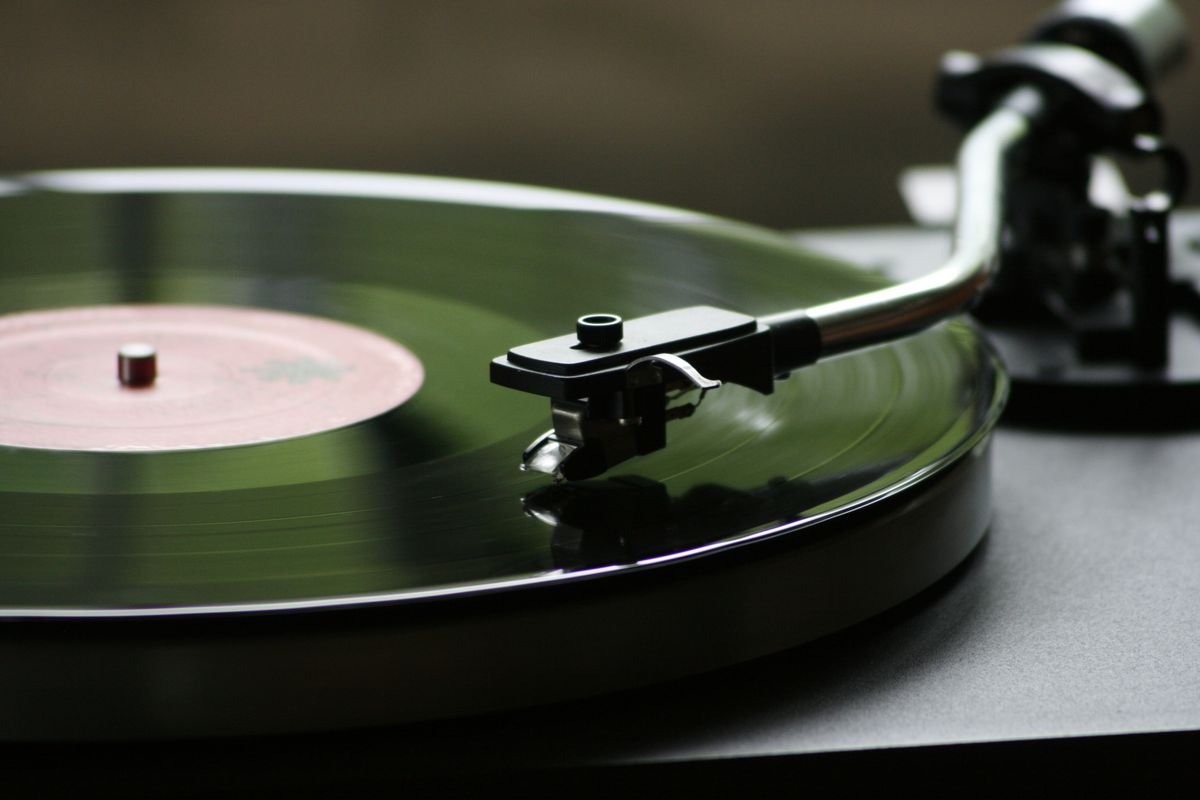
Streaming gave us access to nearly infinite music with zero physical footprint. Vinyl’s resurgence runs directly against that convenience, and that’s exactly why people seem drawn to it. Owning a record means committing to an album as a complete object, artwork included, rather than a shuffled playlist of isolated tracks.
- Vinyl records — often chosen for the ritual of playing a full album start to finish
- Cassette tapes — a smaller but genuine revival, partly aesthetic, partly nostalgic for a specific generation
- Physical books — sales have held steady even as e-readers improved, suggesting people value the object itself
- Printed photographs — a growing counter-trend to phones holding thousands of images nobody ever prints or revisits
Handcrafts: Knitting, Woodworking, and Slow Making
Knitting groups that once skewed almost entirely toward older generations now regularly include people in their twenties and thirties, many discovering the hobby through short videos, ironically enough. Woodworking, embroidery, and pottery have followed similar patterns.
These hobbies share a common trait: they produce something tangible after real time investment. There’s a specific kind of satisfaction in holding a finished object you made with your hands that a completed to-do list simply doesn’t replicate.
A friend who took up woodworking last year put it simply: at his job, nothing he does is ever really “done,” there’s always another quarter, another project. A finished cutting board, on the other hand, just sits there, complete, whether anyone praises it or not.
Board Games and the Return of In-Person Play
Board game sales and dedicated cafes have grown substantially, running counter to the assumption that everything social was migrating permanently online. Complex strategy games, the kind that take two or three hours and demand full attention, have found a genuinely enthusiastic audience.
This isn’t really about games specifically. It’s about protected time. A board game night forces phones into pockets and attention onto the people actually in the room, something that rarely happens by accident anymore.
Is This Really About Nostalgia?
For older participants, sure, nostalgia plays some role. But a large share of this movement comes from younger people with no personal history with these hobbies at all. That suggests something beyond sentimentality is driving it.
The common thread across nearly all of these activities is friction, the opposite of what most digital products are designed to eliminate. Film requires waiting. Vinyl requires flipping a record over halfway through. Woodworking requires actual physical effort and mistakes you can’t simply undo with a keyboard shortcut. That friction, uncomfortable as it sounds, seems to be exactly what people are craving.
What This Says About Attention
Digital tools were built to capture and hold attention indefinitely. Analog hobbies do something close to the opposite, they demand attention for a bounded period and then release it. That release matters more than it sounds like it should. A finished puzzle doesn’t ping you again tomorrow asking for five more minutes.
FAQ
Why are analog hobbies becoming popular again despite digital alternatives being more convenient?
Many people are drawn to the built-in limits and sense of completion analog hobbies offer, along with a break from the constant notifications and endless nature of most digital activities.
Is the resurgence of film photography and vinyl just nostalgia?
Not entirely. A significant portion of new participants are younger people with no prior history with these formats, suggesting the appeal goes beyond sentimental attachment to something people experienced growing up.
Do analog hobbies actually reduce screen fatigue?
Many people report feeling less mentally drained after analog activities compared to screen-based ones, likely due to the natural stopping points and single-task focus these hobbies typically require.
What’s the easiest analog hobby to start with no experience?
Simple, low-cost options like knitting, journaling, or puzzles tend to have the lowest barrier to entry, requiring minimal equipment and offering a quick sense of visible progress.
Conclusion
This isn’t a rejection of technology so much as a correction. People aren’t giving up their phones, they’re just carving out pockets of time where phones don’t get a say. If a hobby with a hard stopping point sounds appealing right now, that’s probably worth paying attention to, not dismissing as a passing trend.